
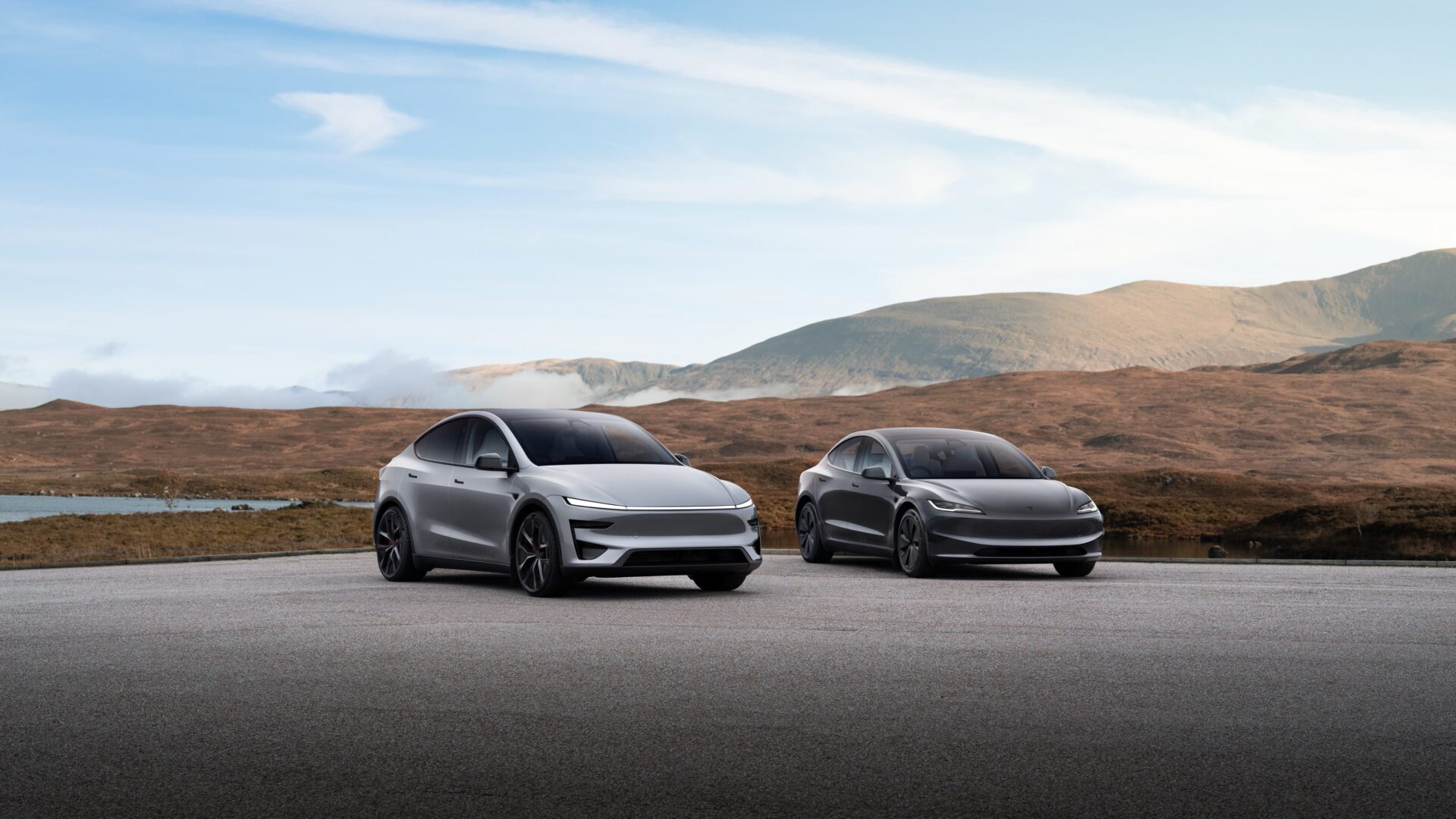
A significant influx of off-lease electric vehicles is on the horizon for the used-car market in 2026, driven by a surge in leasing activity fueled by now-expired federal tax credits. Data from Automotive News and Experian indicates that the Tesla Model 3 and Model Y were the most popular electric vehicles leased in 2025, marking a trend that made EVs more accessible to a wider range of drivers.
The anticipated wave of off-lease electric vehicles is expected to nearly double the share of EVs in the secondary market. By the end of this year, electric models are projected to comprise almost 15% of off-lease vehicles, up from a mere 7.7% in the first quarter of 2026. The shift is largely attributed to the affordability crisis in the new-vehicle market, with increasing interest rates and higher sticker prices prompting consumers to opt for lower monthly payments through leasing.
In the third quarter of 2025, the average monthly lease payment for an EV was $172 lower than a standard loan payment. The Tesla Model Y and Model 3 led the way, with average monthly lease payments of $498 and $410, respectively. The popularity of the Model 3 was especially notable, as it became the first electric vehicle to break into the top 10 most-leased models in the U.S. in 2023.
Other models also saw significant leasing activity, with the Nissan Ariya averaging a $335 monthly lease payment and the Rivian R1S commanding a higher $993 per month. However, the landscape shifted dramatically after the expiration of federal tax incentives late last year. EV leasing rates, which had peaked at over 22% of new-vehicle leasing in 2025, plummeted to just 12% by December once the credits were no longer available.
While the total volume of used EVs remains a small fraction of the 20 million retail used cars sold annually in the U.S., the current surge represents a pivotal moment for the secondary market. Experian projects that off-lease EV volume will continue to rise, potentially reaching a peak in 2028 with nearly 800,000 vehicles hitting the market as two- and three-year contracts from the 2025 leasing boom come to an end.