
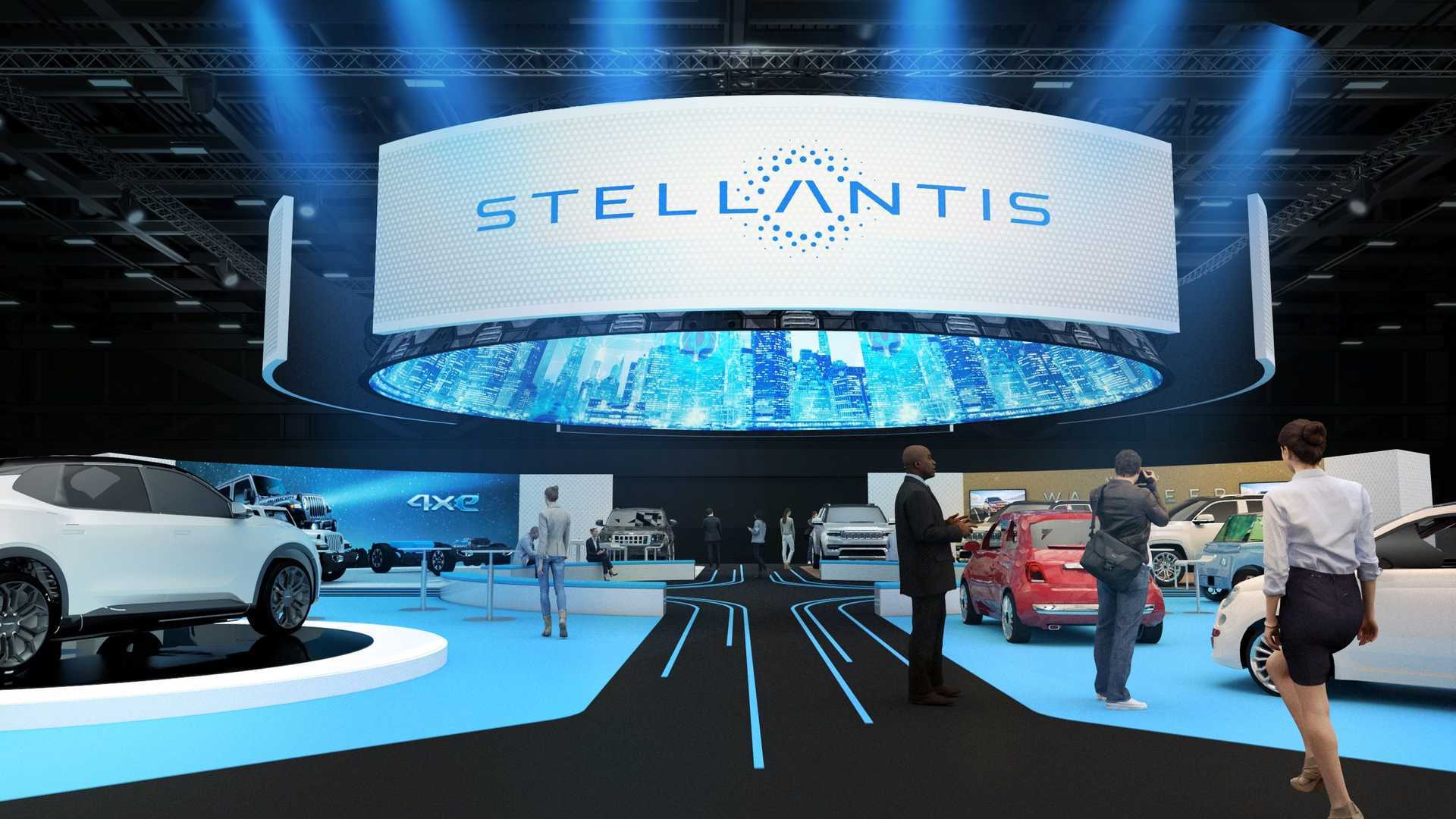
Stellantis, the parent company of several iconic American and European automotive brands, is considering expanding its partnership with Chinese electric vehicle manufacturer Leapmotor. The collaboration aims to bring Leapmotor’s advanced EV technology to Europe, potentially incorporating it into mass-market cars from Fiat, Opel, and Peugeot.
The shift towards electric vehicles has led Western automakers to seek out cutting-edge EV technology from Chinese companies. Stellantis, known for its diverse portfolio of brands including Jeep, Ram, Dodge, Peugeot, and Fiat, is looking to leverage Leapmotor’s expertise in battery and powertrain technology for its European offerings.
Already involved in a partnership to help Leapmotor sell cars in Europe, Stellantis has invested heavily in the Chinese automaker, acquiring a 20% stake in the company back in 2023 for €1.5 billion. The T03 electric city car and C10 family SUV from Leapmotor are currently available across Europe through Stellantis-owned dealer networks.
With the automotive industry facing challenges such as policy changes and shifting market demands, Stellantis is looking to deepen its partnership with Leapmotor to enhance its electric vehicle capabilities. The company recently reported a significant net loss, prompting a reevaluation of its EV ambitions in North America.
As part of this strategic shift, Stellantis has discontinued all plug-in hybrids in North America, including popular models like the Jeep Wrangler 4xe and Chrysler Pacifica Plug-In Hybrid. The company also canceled the all-electric Ram 1500 REV in favor of an extended-range powertrain with an onboard gas generator.
By expanding its partnership with Leapmotor and incorporating its EV technology into European models, Stellantis aims to strengthen its position in the rapidly evolving automotive landscape. The collaboration could pave the way for innovative electric vehicles from brands under the Stellantis umbrella, offering consumers a diverse range of sustainable mobility options. Stellantis, the parent company of Chrysler, Dodge, Jeep, and Ram, is making a bold move in the electric vehicle market by bringing back its iconic Hemi V8 engine. This decision is part of a larger pivot towards more sustainable transportation options, as the company aims to increase its EV sales and reduce its carbon footprint.
The reintroduction of the Hemi V8 engine is a strategic move for Stellantis, as it allows the company to cater to customers who still prefer traditional gas-powered vehicles. The Hemi V8 engine is known for its power and performance, making it a popular choice among enthusiasts and fans of muscle cars. By offering this engine option alongside their electric vehicles, Stellantis is able to appeal to a wider range of consumers and maintain its presence in the competitive automotive market.
Stellantis isn’t the only automaker looking to Chinese partnerships to boost its EV sales. Volkswagen has partnered with Xpeng to utilize its software and electrical architecture in future VW-branded models in China. Ford is also tapping into Chinese technology, licensing CATL’s lithium-iron phosphate (LFP) battery technology for its upcoming $30,000 electric pickup truck. These partnerships highlight the growing influence of Chinese EV technology in the global automotive industry.
The shift towards electric vehicles is not just driven by environmental concerns, but also by technological advancements and changing consumer preferences. While Western automakers have been slow to embrace EV technology, Chinese companies have been at the forefront of innovation in this space. Chinese EV technology has already made its way to Europe, and experts predict that it will soon impact the U.S. market as well.
In conclusion, Stellantis’ decision to bring back the Hemi V8 engine while also expanding its electric vehicle offerings reflects the company’s commitment to innovation and sustainability. By embracing both traditional and modern technologies, Stellantis is positioning itself for success in a rapidly evolving automotive landscape.