
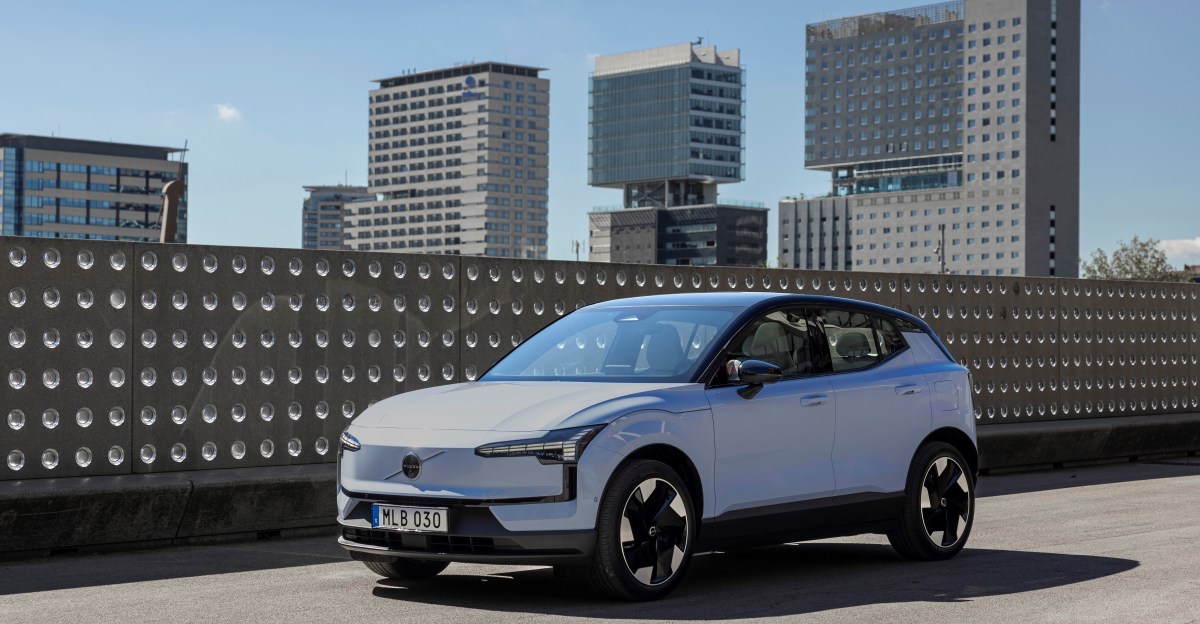
The recent wave of news regarding automakers discontinuing electric vehicles continues to make headlines. This week, Volvo’s compact SUV, the EX30, and Honda’s Prologue electric vehicle in the US have become the latest casualties in the struggling EV market. The primary reason cited for these discontinuations is the decline in EV sales in the US, largely attributed to the Trump administration’s decision to eliminate tax incentives for electric vehicles.
Volvo’s decision to discontinue the EX30 and EX30 Cross Country models in the US market after the 2026 model year comes as a surprise to many. The EX30 was positioned as the most affordable EV in Volvo’s lineup, but it failed to meet sales expectations. Despite this setback, Volvo remains committed to electrification and has plans to introduce new electrified options, such as the upcoming EX60 and upgraded EX90 models.
One of the challenges faced by the EX30 was its pricing. Initially marketed as a more affordable EV option with a starting price of $34,950, the actual cost turned out to be higher than anticipated. This pricing discrepancy may have contributed to the vehicle’s lackluster performance in the market.
On the other hand, Honda’s Prologue EV is also facing an uncertain future. Following the cancellation of Honda’s Zero Series EVs, reports have surfaced suggesting that the Prologue SUV could be next on the chopping block. The decision is said to be influenced by General Motors, Honda’s manufacturing partner for the Prologue, who is shifting focus away from EV production towards internal combustion vehicles and hybrids.
Despite these reports, Honda has denied any plans to discontinue the Prologue, labeling the speculation as unfounded. However, the company recently announced a significant write-down on its EV investment, indicating financial challenges in the EV market. The future of the Prologue remains uncertain as Honda navigates a rapidly changing automotive landscape.
In conclusion, the discontinuation of the Volvo EX30 and Honda Prologue reflects the challenges facing the EV market in the US. As automakers grapple with shifting consumer preferences, regulatory changes, and production decisions, the future of electric vehicles remains uncertain. It is crucial for manufacturers to adapt to these challenges and continue innovating in order to drive the growth of the EV market in the years to come.