
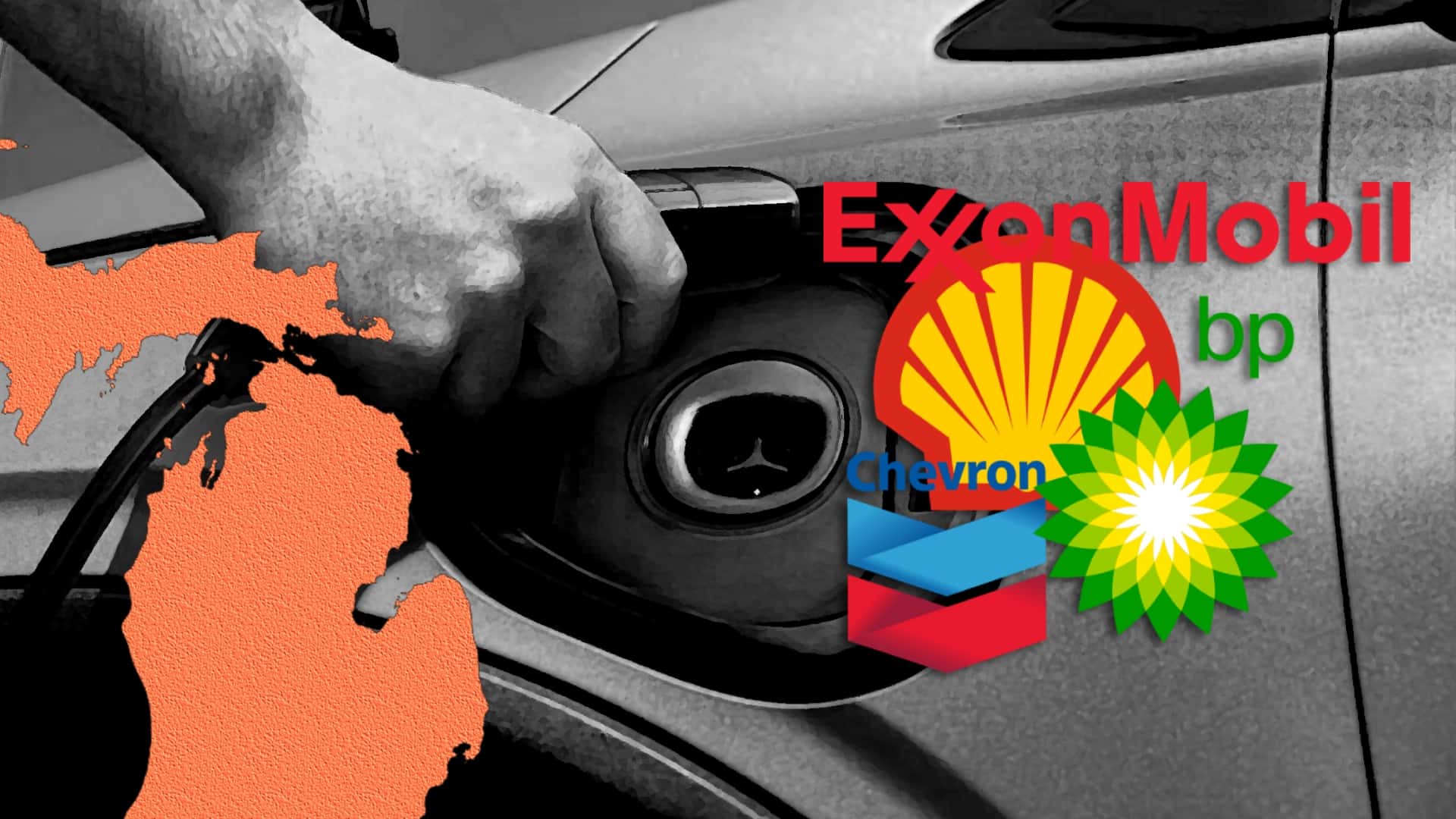
Michigan Attorney General Dana Nessel recently filed a federal antitrust lawsuit against major oil companies and an industry group, accusing them of colluding to suppress renewable energy and electric vehicle competition. The lawsuit names BP, Chevron, Exxon, Shell, and the American Petroleum Institute, alleging that they acted like a cartel to restrain trade and block clean energy alternatives.
The lawsuit claims that this alleged conspiracy has kept energy prices high and limited affordable electric vehicle options for consumers. Michigan asserts that this collusion has hindered innovation and output in the transportation energy market and primary energy market in the state, leading to artificially high prices and a dependence on fossil fuels.
The 126-page lawsuit alleges that the oil companies have conspired to reduce the production and distribution of electricity from renewable sources and restrain the emergence of electric vehicles and renewable energy technologies in the United States. Michigan is seeking a jury trial and unspecified financial damages for what consumers and the state government have overpaid for energy, as well as a repayment of fossil fuel industry profits.
The oil companies named in the lawsuit have yet to respond to the allegations. A representative from the American Petroleum Institute stated that these lawsuits are baseless attacks on an industry that powers everyday life, drives America’s economy, and is actively reducing emissions. The representative emphasized that energy policy should be determined by Congress, not through courtrooms.
Michigan’s lawsuit specifically blames the oil industry for hindering the growth of electric vehicles, charging infrastructure, and cheaper electricity. The state accuses the oil companies of impeding charger growth at fueling stations, delaying their own hybrid and battery technology development, and spreading misinformation campaigns that have undermined electric vehicle adoption.
The lawsuit alleges that without this conspiracy, electric vehicles would have reached scale years earlier, and Michigan consumers would have avoided billions of dollars in overcharges on transportation energy. Michigan, known for having some of the highest electricity costs in the U.S, is also home to a significant portion of the American automotive industry. This industry is currently delaying, repurposing, or cancelling many electric vehicle investments that have been in progress for years.
Overall, Michigan’s lawsuit sheds light on the alleged anti-competitive practices of the oil industry and their impact on renewable energy and electric vehicle adoption in the United States. It remains to be seen how this legal battle will unfold and what implications it may have for the future of clean energy and transportation in the country. Ford, General Motors, and Stellantis have recently announced a slower rollout of their electric vehicle (EV) plans than initially projected at the beginning of the decade. These automotive giants have cited “consumer choice” as the primary reason for redirecting investments back towards fossil-fuel powertrains.
This shift in focus coincides with a second Trump administration that has shown overt favoritism towards oil and gas interests. President Donald Trump, upon taking office, pledged to “unleash American energy” and dismantle what he referred to as an “EV mandate” established by his predecessor, President Joe Biden.
Under Trump’s leadership, strict fuel economy regulations have been rolled back, federal funding for EV charger infrastructure has been threatened, and EV tax credits have been eliminated. Additionally, Trump’s cabinet is heavily populated with individuals with close ties to the fossil-fuel industry.
In response to these actions, the state of Michigan has filed a lawsuit against oil companies, alleging not only antitrust violations but also technology and climate data suppression dating back several decades. According to the lawsuit, Michigan residents have been left without viable energy alternatives due to the industry’s actions.
The lawsuit claims that oil companies have restricted cleaner alternatives, such as EVs, causing Michigan consumers to continue relying on gasoline despite the availability of more environmentally friendly options. By limiting choices and raising switching costs, the defendants have effectively eliminated competitive pricing pressure in the market.
Michigan Attorney General Dana Nessel has described this lawsuit as groundbreaking, as it is the first of its kind to target oil companies using antitrust laws. While Michigan is leading the charge in this legal battle, other states have also taken legal action against the oil industry in recent years, particularly regarding climate-related issues.
As the automotive industry grapples with the transition to electric vehicles and the push for cleaner energy sources, the role of government policy and industry practices in shaping consumer choices and market dynamics will continue to be a point of contention and scrutiny.