
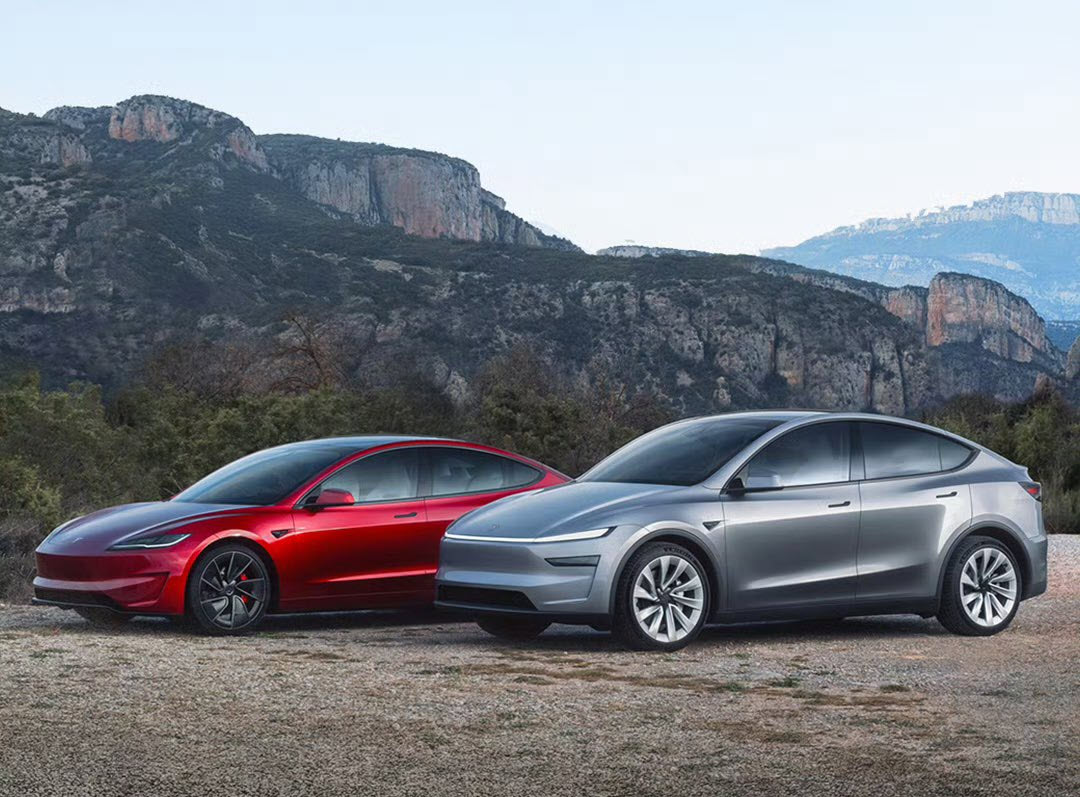
Tesla Imports Surge in South Korea as EV Demand Grows
Tesla’s momentum in South Korea continues to accelerate as demand for imported electric vehicles surges across the country. New registration data shows the automaker’s sales have skyrocketed in early 2026, helping fuel a broader boom in the EV market.
As more consumers in South Korea turn towards environmentally friendly transportation options, Tesla has emerged as a popular choice due to its cutting-edge technology, sleek design, and long driving range. The surge in Tesla imports highlights a shift towards sustainable transportation solutions in the region.
The rise in Tesla imports can be attributed to several factors, including government incentives for electric vehicle purchases, increasing awareness about climate change, and the growing infrastructure to support EV charging stations. As South Korea aims to reduce greenhouse gas emissions and combat air pollution, the adoption of electric vehicles like those offered by Tesla plays a crucial role in achieving these goals.
In addition to Tesla, other automakers are also experiencing a surge in demand for electric vehicles in South Korea. As the market for EVs continues to expand, competition among manufacturers is expected to intensify, leading to further innovation and advancements in the industry.
Tesla’s success in South Korea reflects a global trend towards sustainable transportation and the increasing popularity of electric vehicles. With the company’s commitment to developing high-performance electric cars and expanding its presence in key markets, Tesla is well-positioned to continue leading the charge towards a greener future.
As the demand for electric vehicles grows in South Korea and around the world, Tesla’s surge in imports is a clear indication of the shifting preferences of consumers towards sustainable transportation options. With innovative technology, stylish design, and a focus on sustainability, Tesla is driving towards a future where electric vehicles are the norm rather than the exception. The field of artificial intelligence (AI) has been rapidly evolving in recent years, with advancements in machine learning, natural language processing, and computer vision. AI technologies have been integrated into a wide range of industries, from healthcare to finance to transportation, revolutionizing how businesses operate and improving the way we live and work.
One of the most exciting developments in AI is the rise of autonomous vehicles. Self-driving cars have the potential to transform the way we think about transportation, making roads safer, reducing traffic congestion, and providing greater mobility for individuals who may not be able to drive themselves. Companies like Tesla, Waymo, and Uber have been at the forefront of developing autonomous vehicle technology, testing their vehicles on public roads and working to overcome technical and regulatory challenges.
AI has also made significant strides in the healthcare industry, with applications ranging from medical imaging analysis to drug discovery to personalized medicine. Machine learning algorithms can analyze vast amounts of patient data to identify patterns and make predictions about disease progression, helping doctors make more informed decisions about treatment options. AI-powered robots are being used to assist surgeons in the operating room, improving precision and reducing the risk of complications.
In the field of finance, AI is being used to detect fraudulent activity, automate trading strategies, and provide personalized investment advice. Chatbots powered by natural language processing can interact with customers, answer their questions, and provide support in real-time. AI algorithms can analyze market trends and predict changes in stock prices, helping investors make better-informed decisions.
AI is also being used to enhance the customer experience in industries such as retail and hospitality. Virtual assistants like Amazon’s Alexa and Apple’s Siri can help users find products, make reservations, and perform a variety of other tasks with just a simple voice command. Retailers are using AI-powered recommendation engines to suggest products to customers based on their browsing history and purchase behavior, increasing sales and improving customer satisfaction.
While AI has the potential to revolutionize industries and improve our quality of life, it also raises ethical and societal concerns. Issues such as bias in AI algorithms, data privacy, and job displacement are hot topics of discussion among policymakers, researchers, and the public. As AI continues to advance, it will be crucial to address these challenges and ensure that AI technologies are developed and deployed in a responsible and ethical manner.
Overall, the future of AI is bright, with endless possibilities for innovation and progress. As researchers and developers continue to push the boundaries of what is possible with AI, we can expect to see even more exciting applications and advancements in the coming years. From self-driving cars to personalized medicine to virtual assistants, the potential for AI to transform our world is truly limitless.