
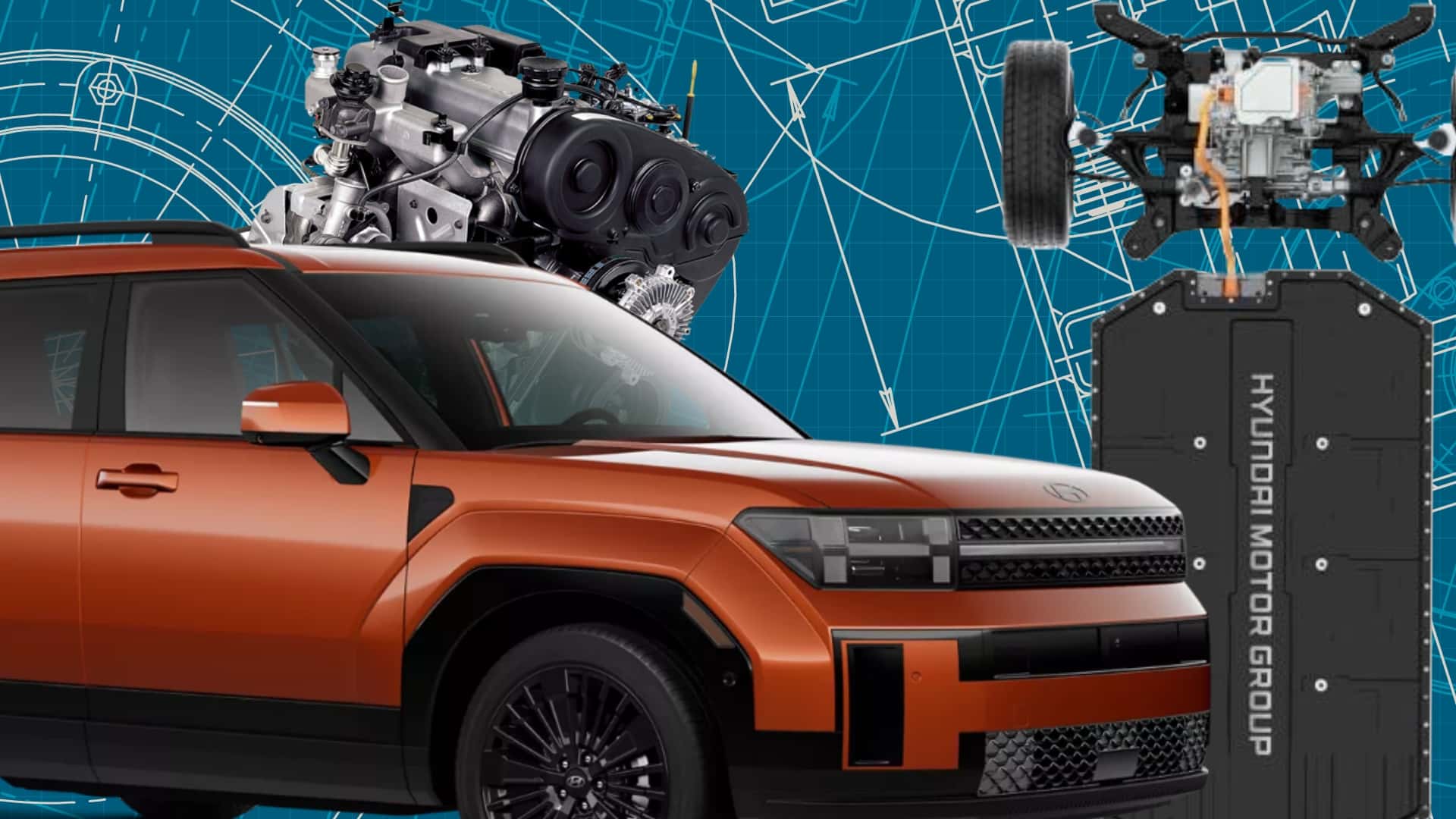
Hyundai Motor Group is making significant strides in the electric vehicle (EV) market with the construction of its new dedicated battery research and development center in South Korea. The $817 million Future Mobility Battery Campus is set to be completed by the end of 2026 and will play a crucial role in Hyundai’s efforts to power cutting-edge EVs and hybrids.
The facility will focus on conducting validation and testing for Hyundai’s in-house developed cells and chemistries, ensuring that the battery packs meet the highest quality and durability standards before entering mass production. With a total area of 200,000 square meters, the campus is equipped with state-of-the-art technology to diagnose and address any potential battery issues early on in the development process.
Hyundai’s investment in this new facility underscores the automaker’s commitment to vertical integration in its battery operations. By developing its own packs and chemistries, Hyundai aims to have better control over costs, performance, safety, and software integration for its electric vehicles. This move aligns with a broader trend in the automotive industry, where automakers are increasingly bringing battery expertise in-house to enhance their competitiveness in the EV market.
The Future Mobility Battery Campus will focus on developing next-generation high-performance lithium-ion batteries for EVs and extended-range hybrids, utilizing multiple cell formats. The facility will also simulate real manufacturing conditions for electrodes, cell assembly, and safety testing, ensuring that the batteries meet the rigorous standards set by Hyundai.
By investing in its battery research and development capabilities, Hyundai is positioning itself as a leader in the EV market, with the ability to innovate and adapt to the evolving needs of electric vehicle technology. With the completion of the Future Mobility Battery Campus, Hyundai is set to further solidify its position as a key player in the global transition towards electrification in the automotive industry. The electric vehicle (EV) race is heating up, with companies like Tesla, General Motors, BYD, and Toyota all vying for dominance in this rapidly growing market. One key factor that could determine the success of these companies is their ability to bring battery operations in-house.
Tesla, General Motors, and BYD are already making strides in this area, but they still rely on suppliers for some of their battery needs. Bringing battery operations in-house could give them a competitive edge by allowing them to control the entire supply chain and reduce costs.
Toyota is also recognizing the importance of in-house battery operations and is investing heavily in this area. The company recently announced plans to build a $14 billion battery campus for EVs and hybrids in North Carolina, further solidifying its commitment to bringing battery R&D and manufacturing in-house.
GM is following suit, with plans to build a similar setup in Warren, Michigan to validate its lithium-manganese-rich cells for use in full-size SUVs and trucks. This move will position GM as a leader in battery technology and help the company to stay competitive in the EV market.
Hyundai has also joined the ranks of automakers investing in in-house battery operations. The company, along with Ram, Ford, Volvo, and several Chinese brands, is developing extended-range EVs that could benefit from in-house battery manufacturing.
Overall, bringing battery operations in-house could be the key to success in the increasingly competitive EV market. Companies that are able to control their own battery supply chain will have a significant advantage over those that rely on external suppliers. As the EV race heats up, companies must make strategic investments in battery operations to stay ahead of the competition and secure their place in the future of transportation.