
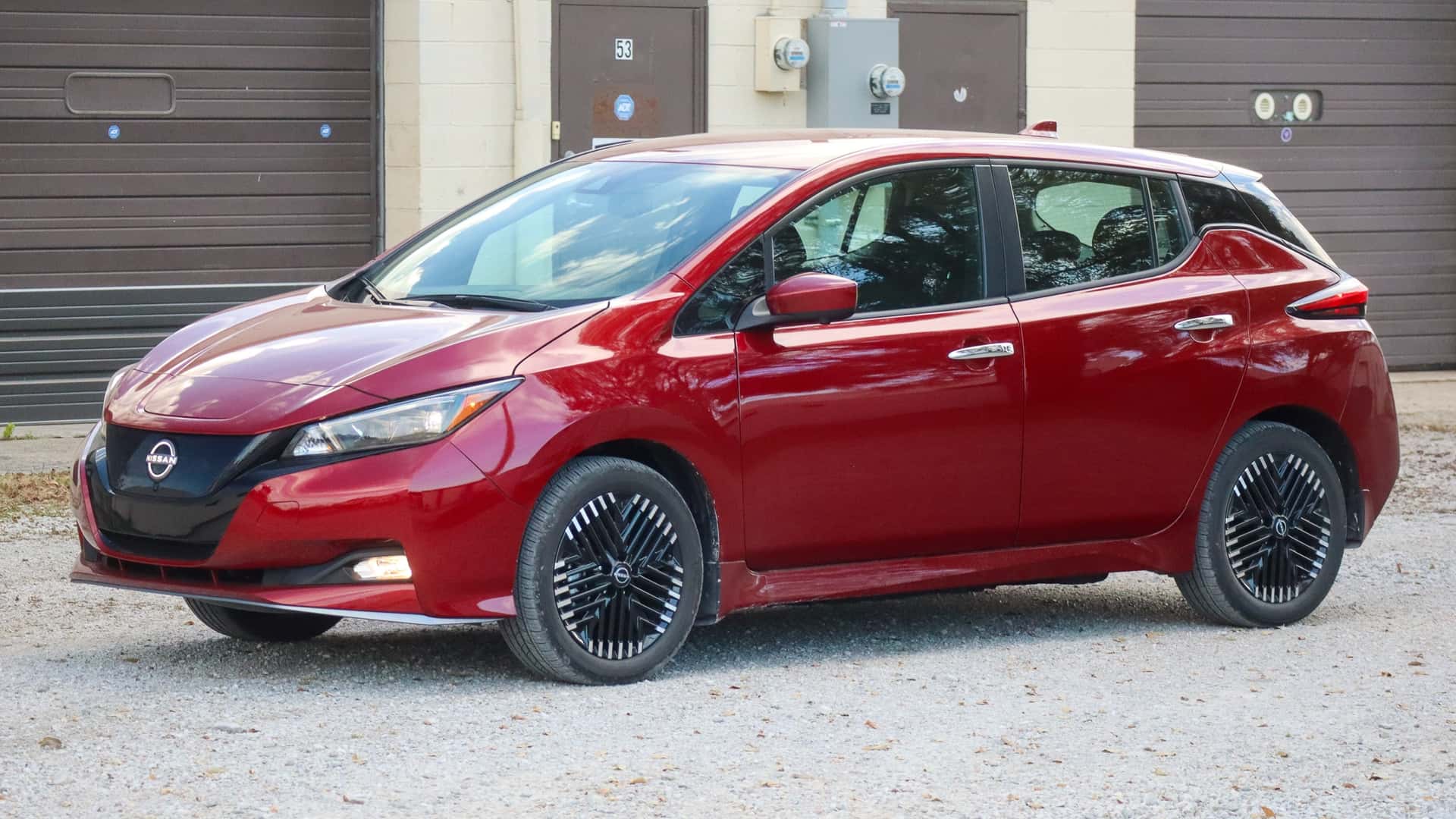
The latest data from iSeeCars reveals a grim reality for electric vehicle (EV) owners – their cars depreciate at an alarming rate. On average, a five-year-old EV loses a staggering 57.2% of its value, which is significantly higher than the industry average of 41.8%. This rapid depreciation makes EVs one of the fastest depreciating vehicle types on the market.
Interestingly, hybrids, which used to depreciate faster than the market average, are now the slowest-depreciating powertrain type. This shift in depreciation trends suggests that the current scenario affecting EVs may not be a long-term issue.
Depreciation is often overlooked by car buyers until it’s time to sell their vehicle. However, it is a significant factor that impacts the overall cost of car ownership. The sharp decline in value of EVs highlights the financial challenges faced by EV owners.
According to the iSeeCars Depreciation Study, EVs account for half of the top ten fastest depreciating models, with no fully electric model among the 25 models with the lowest depreciation rates. This data underscores the extent of the depreciation problem faced by EV owners.
In comparison, hybrids have shown a different trend in depreciation. While they used to depreciate rapidly, they now have a depreciation rate of 35.4% over five years, lower than gas or electric vehicles. This shift in hybrid depreciation rates over the years indicates a positive trajectory for the EV market in the long run.
The changing trends in depreciation rates for hybrids and EVs reflect the natural curve of new technology adoption. As consumers become more familiar with the technology and its benefits become more apparent, depreciation rates tend to stabilize. This evolution is often driven by improvements in the technology itself, leading to greater acceptance and lower depreciation rates over time.
Overall, the rapid depreciation of EVs highlights the challenges faced by early adopters of new technology. As the EV market matures and technology improves, it is expected that depreciation rates will stabilize and align more closely with industry averages. In the meantime, consumers may find great deals on used EVs as prices adjust to reflect market conditions and technological advancements.
Despite the numerous benefits of electric vehicles (EVs), such as lower maintenance costs and environmental friendliness, many buyers still express concerns over the longevity of EV batteries. However, experts in the industry insist that these fears are largely unfounded and that EV batteries are more durable and long-lasting than most people realize.
One of the main reasons for this concern is the misconception that EV batteries will need to be replaced frequently, leading to costly expenses. In reality, most EV batteries come with warranties that guarantee a certain level of performance for a set number of years or miles. Additionally, advancements in battery technology have significantly improved the lifespan of EV batteries, with some models now capable of lasting over 10 years or 100,000 miles.
Furthermore, the cost of replacing an EV battery has also decreased in recent years, making it a more affordable option for EV owners. As the demand for EVs continues to grow, manufacturers are investing in research and development to make batteries more efficient and cost-effective, further reducing concerns over battery longevity.
On the other hand, there are buyers who are more interested in the latest and greatest EV models, regardless of battery longevity concerns. These buyers are looking for the newest technology, features, and designs in EVs, and are willing to pay a premium for these advancements.
For those buyers who are still hesitant about purchasing an EV due to battery concerns, there is a silver lining. The market for used EVs is growing rapidly, with many well-maintained and reliable models available at a fraction of the cost of a new EV. These used EVs offer a great opportunity for buyers to experience the benefits of electric driving without breaking the bank.
In conclusion, while some buyers may still fret over EV battery longevity, the reality is that EV batteries are more durable and long-lasting than ever before. With advancements in technology and decreasing costs, EVs are becoming a more attractive option for consumers looking for a reliable and sustainable mode of transportation. Whether you’re in the market for a brand new EV or a quality used model, the future of electric vehicles is bright and promising.