
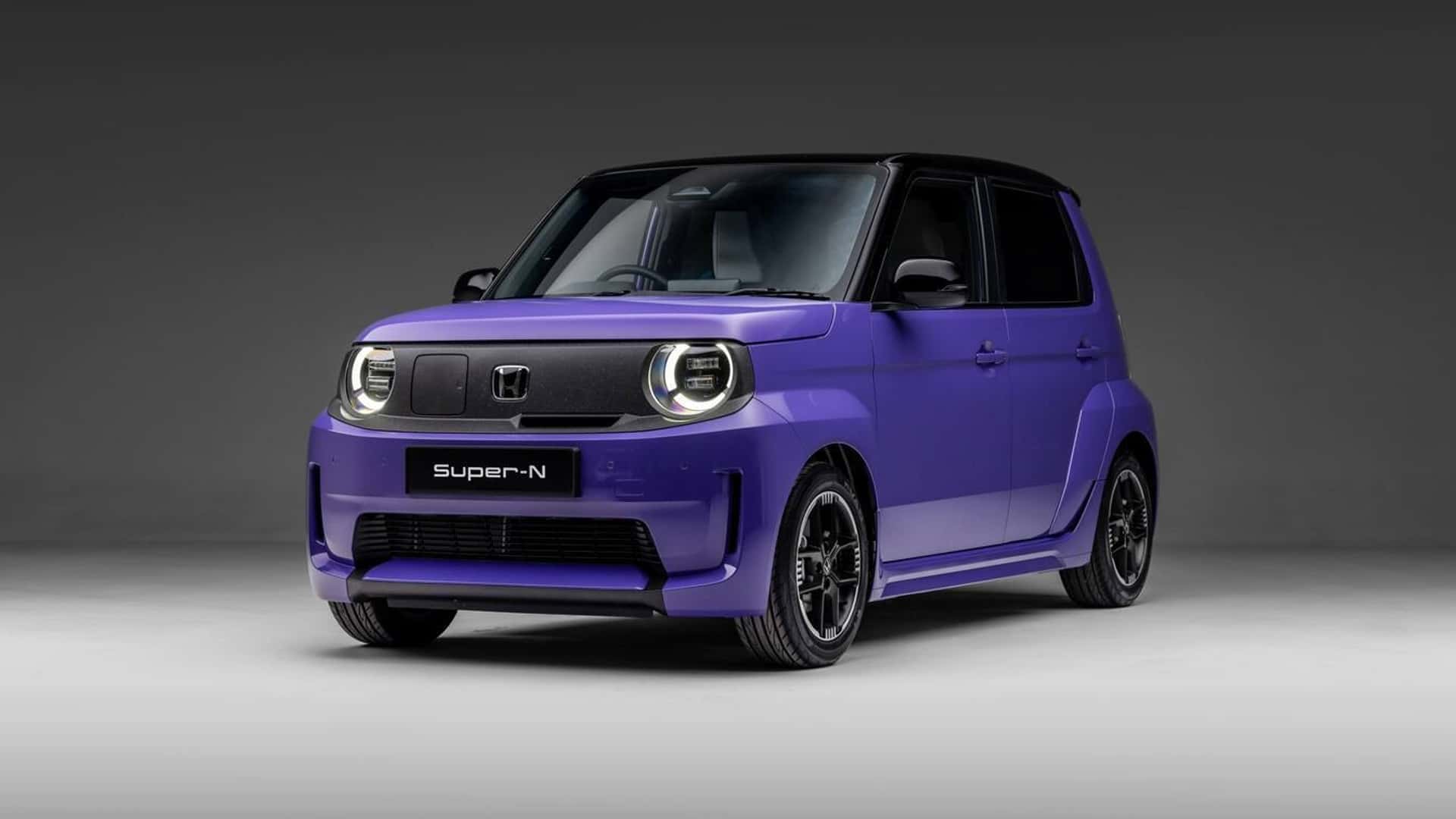
However, for European buyers looking for a stylish and affordable city car, the Honda Super-N could be a great option. With its retro design and modern electric powertrain, the Super-N offers a unique driving experience that blends the past with the future.
One of the standout features of the Super-N is its simulated shifting paired with synthetic engine sounds. This adds a fun and engaging element to the driving experience, making the car feel more dynamic and responsive. While the Super-N may not be a high-performance vehicle, it promises to be a joy to drive in urban environments.
With a starting price of under $26,900, the Honda Super-N is positioned as an affordable electric option for city dwellers. Its compact size and nimble handling make it well-suited for navigating tight city streets and crowded parking lots. The Super-N’s estimated range of 128 miles on the WLTP cycle should be more than enough for daily commuting and running errands.
Overall, the Honda Super-N is a promising addition to the growing market of electric city cars. With its blend of retro styling, modern technology, and affordable pricing, the Super-N has the potential to attract a wide range of buyers looking for a practical and stylish urban runabout. Look out for the Super-N as it hits European roads later this year.
The Fiat 500e, America’s closest equivalent to the Super-N, is not performing well in the market. Despite being an affordable electric vehicle, U.S. consumers are not showing much interest in the Fiat 500e. This is in stark contrast to other countries where affordable EVs like the Renault Twingo and the BYD Dolphin Surf are gaining popularity.
The Super-N, with its competitive price and market position, should ideally be a strong contender in the EV market. However, it seems that American tastes and preferences differ from those in other parts of the world. While the Fiat 500e struggles to attract buyers, the Renault Twingo and the BYD Dolphin Surf are making waves in their respective markets.
It is disappointing to see Honda, a major player in the automotive industry, abandon its EV aspirations in the U.S. While other companies are investing heavily in electric vehicles and expanding their offerings, Honda seems to be taking a step back. This decision could potentially hurt the company in the long run as the demand for electric vehicles continues to grow globally.
In conclusion, the poor performance of the Fiat 500e in the U.S. market highlights the changing landscape of the automotive industry. As more consumers shift towards electric vehicles, it is important for automakers to adapt and innovate to meet the demands of the market. Companies like Renault and BYD are leading the way with their affordable and attractive electric vehicles, while others like Honda risk falling behind. It will be interesting to see how the market evolves in the coming years and which companies will emerge as leaders in the electric vehicle space.