
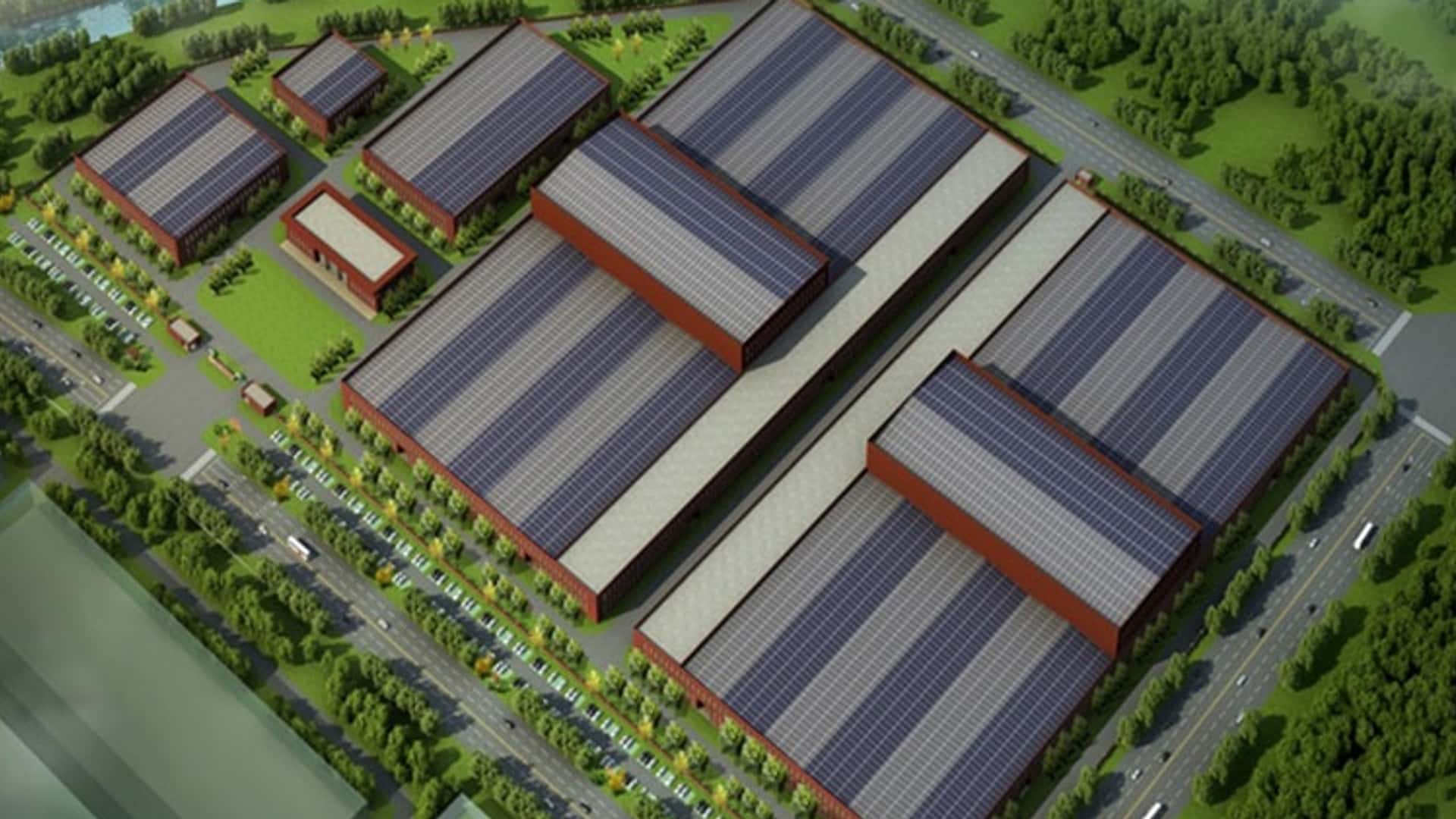
Chinese battery giant Gotion High-Tech had ambitious plans to bring local manufacturing of lithium-ion batteries to Michigan, with the construction of a $2.4 billion battery factory in Northern Michigan. The company promised to create 2,350 high-paying jobs and one of the state’s largest economic development projects.
The State of Michigan initially backed the project, offering more than $100 million in subsidies to Gotion. However, the state’s economic development division has since rescinded its support, asking for the return of the disbursed funds and canceling the remaining subsidies promised to the company.
Gotion High-Tech is a major player in the global battery manufacturing industry, specializing in lithium iron phosphate (LFP) batteries and traditional nickel manganese cobalt (NMC) packs. The company also began pilot production of its Gemstone solid-state batteries in China, boasting capabilities of delivering over 620 miles of range when in commercial production.
Despite its technological advancements, Gotion has faced challenges and controversies since the start of construction in Green Charter Township. Michigan lawmakers accused the company of violating its grant agreement, leading to the cancellation of state incentives. Additionally, local leaders in Green Charter Township raised concerns about the company’s alleged connections to the Chinese Communist Party, leading to political tensions and opposition to the project.
In response to the withdrawal of state support, Gotion’s attorney Mark Heusel cited “racist and ethnically charged stereotypes” as the driving force behind the project’s challenges. The company has denied any wrongdoing and expressed its commitment to bringing battery expertise to America.
While Michigan representatives have suggested that the battery plant would have assisted China more than the US, in reality, China already leads in battery technology and production capacity. With China restricting the export of key technologies to consolidate its lead, the US is falling behind in the global technological race.
Despite the cancellation of the Gotion project and other setbacks in the clean energy sector, the future of EV demand remains uncertain, especially with the rollback of federal tax credits. Analysts predict a potential decline in EV demand in the coming months, raising questions about the economic viability of large-scale battery projects.
Overall, the Gotion High-Tech project in Michigan highlights the complexities of international investments in the clean energy sector and the challenges of balancing economic development with political and technological considerations.
government implements policies to support domestic battery production, the country will likely have an oversupply of batteries by the year 2030. This forecast comes from BloombergNEF, a leading research firm that specializes in energy, transportation, and technology trends.
According to BloombergNEF’s latest report, U.S. manufacturers are ramping up production capacity for batteries at a rapid pace. This surge in production is being driven by the growing demand for electric vehicles, grid storage systems, and other energy storage solutions. However, the report suggests that this increased capacity may outstrip demand in the coming years.
One of the key factors contributing to this potential oversupply is the rapid advancement of battery technology. As batteries become more efficient and affordable, the demand for energy storage solutions is expected to increase. However, if demand does not keep pace with production capacity, manufacturers may find themselves with excess inventory.
In order to avoid a glut of batteries on the market, BloombergNEF suggests that the U.S. government could play a role in supporting domestic battery production. This could include incentives for manufacturers to invest in new technologies, subsidies for consumers to purchase electric vehicles, and regulations that promote the use of energy storage solutions.
If the U.S. does not take action to support its battery industry, there could be negative consequences for the economy. Oversupply of batteries could lead to lower prices, reduced profitability for manufacturers, and potentially job losses in the industry.
Overall, BloombergNEF’s forecast highlights the importance of strategic planning and policy decisions to ensure that the U.S. battery industry remains competitive in the global market. By taking proactive steps to support domestic production, the country can continue to lead in the development of advanced energy storage solutions and secure its position as a key player in the transition to a clean energy economy.