
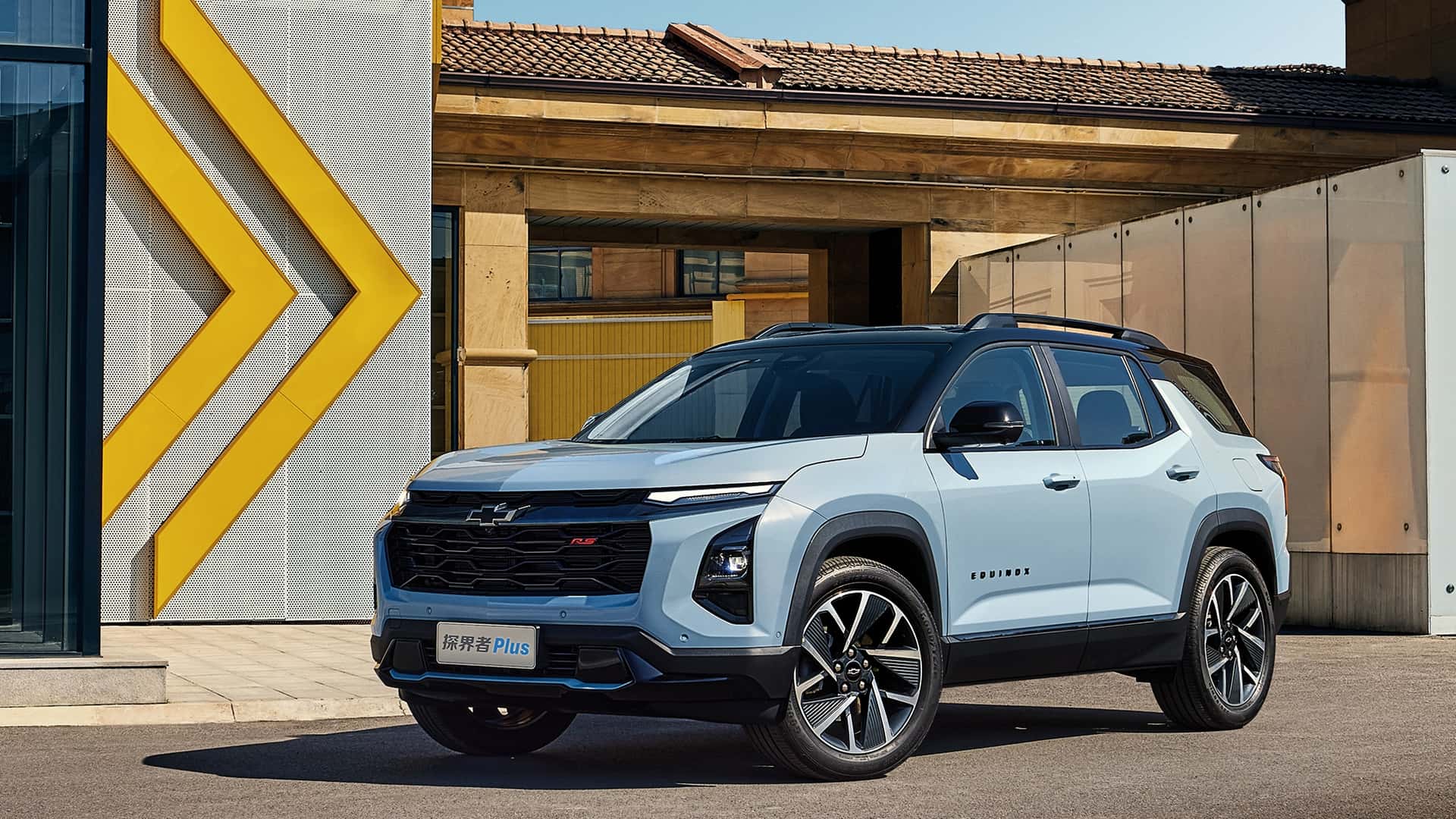
General Motors CEO Mary Barra recently reaffirmed the company’s commitment to an electric vehicle (EV) future, despite facing challenges in the industry. Barra mentioned that the automaker is exploring hybrid options as a temporary solution, as they currently do not offer any hybrid vehicles.
One particular model that caught attention was the Chevrolet Equinox Plus Plug-In Hybrid, which boasts an impressive range of over 600 miles on China’s testing cycle. However, this model will not be making its way to the United States, leaving American consumers with the gas Equinox and the popular Equinox EV instead.
General Motors has chosen to focus on a fully-electric future, steering clear of hybrid powertrains. Barra addressed the issue of plug-in hybrids in America, stating that most people do not plug them in, highlighting the importance of thoughtful consideration when it comes to hybrid and plug-in hybrid models.
Plug-in hybrids combine a gasoline engine with a battery for improved fuel economy and range. However, studies have shown that owners often neglect to plug in their vehicles, resulting in higher fuel consumption than expected. This issue has been more prevalent in Europe, where PHEV models are widely used.
Despite the challenges surrounding plug-in hybrids, some automakers view them as a viable near-term solution for electrification. Brands like Hyundai, Toyota, Volvo, and Mazda offer various PHEV models in their lineup. As the automotive industry continues to evolve, finding the balance between hybrid and electric vehicles remains a crucial aspect of the transition towards a greener future. The automotive market is constantly evolving, with new technologies and trends shaping the industry. While electric vehicles (EVs) have been gaining popularity in recent years, there are still challenges that automakers must overcome to fully transition to a more sustainable future. One such challenge is the viability of plug-in hybrid electric vehicles (PHEVs) and extended-range electric vehicles (EREVs).
Recent developments in the market have raised concerns about the future of PHEVs. Stellantis, the parent company of Jeep and Chrysler, recently decided to axe its PHEV models, despite having success with the best-selling PHEV model in the country. This decision underscores the uncertainty surrounding the demand for PHEVs, especially in the absence of stricter fuel economy regulations or EV tax credits.
Automakers are now turning their attention to EREVs as a potential solution. These vehicles combine an EV-sized battery with a gas engine to extend the range and reduce the need for frequent charging. However, if EREVs still require regular charging and refueling, they may face similar challenges as PHEVs in terms of user adoption.
General Motors (GM) is one automaker that has been at the forefront of hybrid and PHEV technology. Despite the success of models like the Chevrolet Volt, GM has faced challenges in promoting its hybrid and PHEV offerings in the United States. The company is now considering reintroducing more hybrid and PHEV models to the market, possibly by 2027, as part of its efforts to diversify its electrified vehicle lineup.
GM CEO Mary Barra has defended the company’s decision to focus on EVs over hybrids in the past, citing the changing landscape of the automotive industry. While GM remains committed to electric mobility, the company recognizes the importance of offering a variety of electrified options to meet the needs of different consumers.
As the market continues to evolve, automakers will need to carefully consider their strategies for hybrid and PHEV vehicles. Educating consumers about the benefits of these technologies and addressing concerns about charging infrastructure will be key to increasing adoption rates. With the right approach, hybrid and PHEV vehicles could play a crucial role in the transition to a more sustainable transportation system.