
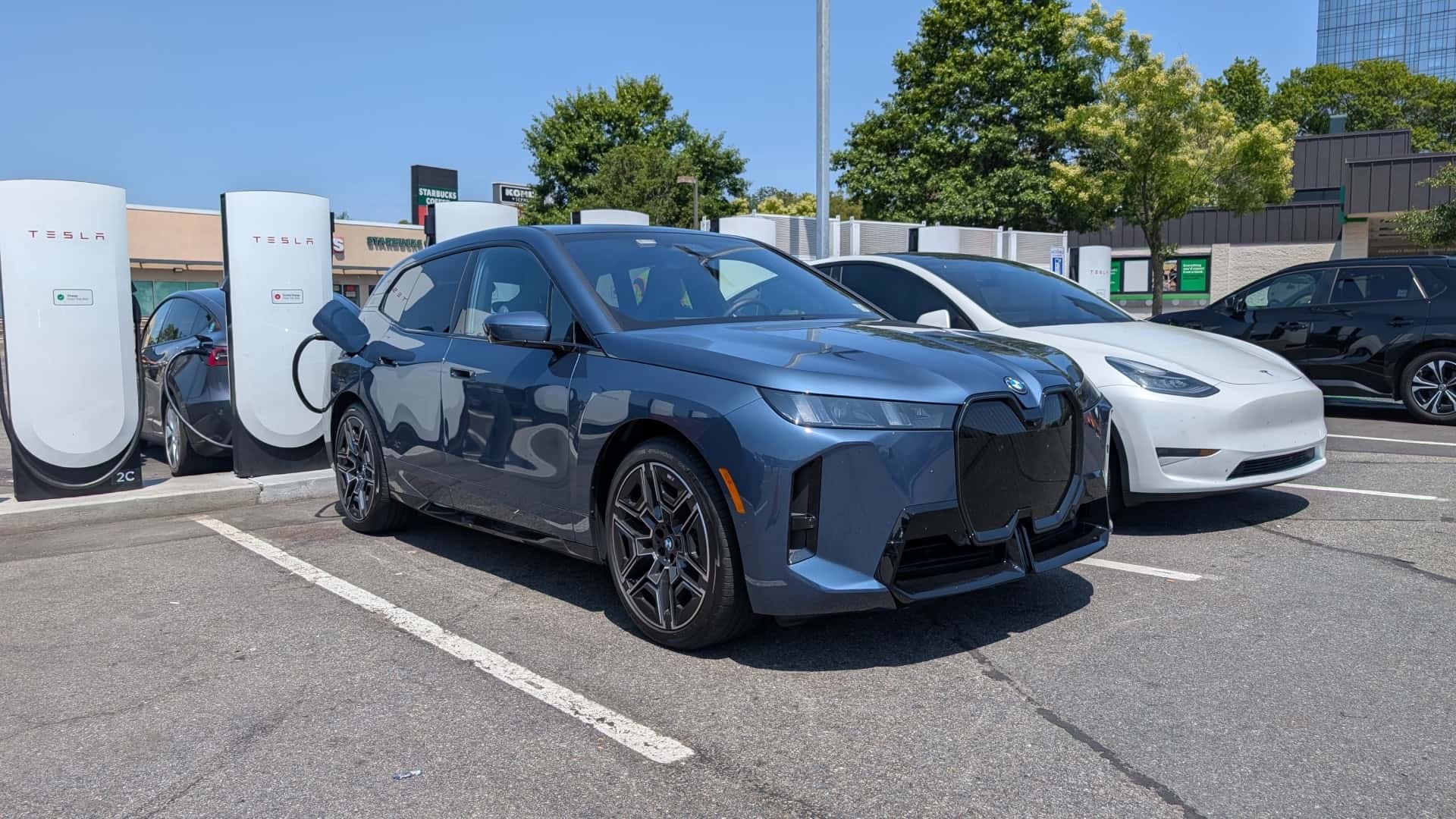
It’s clear from the survey results that EV owners are generally satisfied with the reliability of public charging networks. Tesla Superchargers, in particular, stand out as the most reliable option according to respondents. Tesla’s chargers are known for their consistency and trustworthiness, providing a seamless experience for Tesla vehicle drivers.
However, the survey also revealed that other major charging providers have also performed well in terms of reliability. In fact, all of the largest charging networks ranked higher in experienced reliability compared to expected reliability. This suggests that public charging stations are more reliable than consumers may realize.
Overall, the survey results indicate a high level of satisfaction among EV owners when it comes to public charger reliability. A majority of respondents rated their satisfaction as five out of five, with only a small percentage expressing dissatisfaction. This positive feedback reflects the improvements that have been made in the public charging infrastructure in recent years.
As someone who has witnessed the evolution of America’s public charging infrastructure firsthand, I can attest to the improvements that have been made. The increase in the number of charging stalls, as well as the replacement of old stations with more reliable ones, has contributed to a more positive charging experience for EV owners.
While there may still be some room for improvement, the overall trend indicates that public charging networks are becoming increasingly reliable. With the ongoing expansion of charging infrastructure and the commitment of providers to enhance the charging experience, EV owners can look forward to a more seamless and dependable charging experience in the future.
As technology continues to advance and the demand for electric vehicles grows, it is crucial for charging networks to keep pace and ensure that EV owners have access to reliable and efficient charging options. The survey results are a promising sign that the industry is moving in the right direction, and EV owners can expect continued improvements in the reliability of public charging networks.
Ultimately, the survey highlights the importance of reliable public charging infrastructure in supporting the widespread adoption of electric vehicles. By providing EV owners with convenient and dependable charging options, charging networks play a crucial role in facilitating the transition to a cleaner and more sustainable transportation system.
The Benefits of Meditation for Mental Health
Meditation is a practice that has been around for thousands of years and is known for its numerous benefits for both the mind and body. In recent years, there has been a growing body of scientific research supporting the positive impact of meditation on mental health.
One of the key benefits of meditation is its ability to reduce stress and anxiety. By focusing on the present moment and quieting the mind, meditation can help to calm the nervous system and lower levels of the stress hormone cortisol. This can lead to a greater sense of relaxation and a reduction in symptoms of anxiety and depression.
Meditation has also been shown to improve focus and concentration. By training the mind to stay present and focused on a single point of attention, meditation can help to improve cognitive function and enhance mental clarity. This can be especially beneficial for individuals who struggle with ADHD or other attention-related disorders.
Another important benefit of meditation is its ability to promote emotional well-being. By cultivating a sense of mindfulness and self-awareness, meditation can help individuals to better understand their emotions and respond to them in a healthy way. This can lead to greater emotional resilience and a reduced risk of developing mood disorders such as depression.
In addition to its mental health benefits, meditation has also been shown to have a positive impact on physical health. Studies have found that regular meditation practice can help to lower blood pressure, improve immune function, and reduce inflammation in the body. This can lead to a reduced risk of developing chronic diseases such as heart disease and diabetes.
Overall, the benefits of meditation for mental health are vast and well-supported by scientific research. By incorporating meditation into your daily routine, you can experience greater emotional well-being, improved focus and concentration, and a reduced risk of developing stress-related illnesses. So why not give it a try and see the positive impact it can have on your mental health?