
As the automotive industry continues to shift towards cleaner and more sustainable transportation options, the dominance of non-hybrid gas cars in Europe is rapidly diminishing. Instead, hybrids, plug-in hybrids, and fully electric models are taking over the market, with electric vehicle (EV) sales skyrocketing at an unprecedented rate.
In the European Union, the sales of battery-powered vehicles have been steadily increasing, with EVs accounting for a significant share of the car market. According to the European Automobile Manufacturers’ Association (ACEA), the share of EV sales in January surged by five percentage points to 19.3%, up from 14.9% compared to the same period last year. This growth is particularly noteworthy considering that the overall car market in the EU contracted by 3.9% year-over-year.
Hybrids remain the most popular powertrain category in Europe, capturing a 38.6% market share. In contrast, the combined market share of non-hybrid gas and diesel cars has plummeted to 30.1%, down from 39.5% a year ago. This shift reflects the increasing consumer preference for more environmentally friendly and fuel-efficient vehicles.
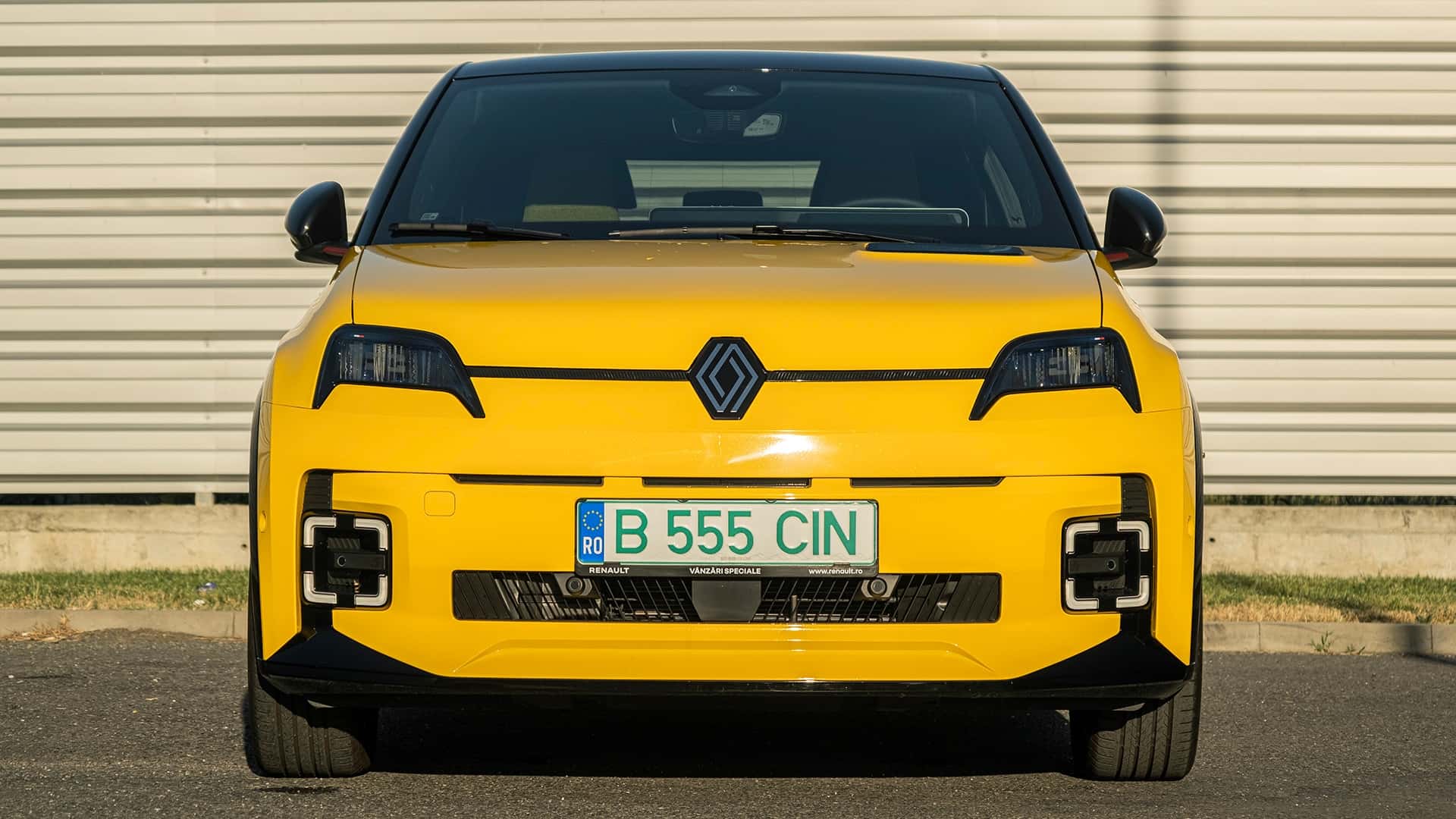
Leading the charge in EV sales is Volkswagen, which holds the title of the continent’s top EV seller with 17,230 units sold. However, Volkswagen experienced a 17% year-over-year decline in sales due to growing competition in the market. Renault, on the other hand, saw a remarkable 64% increase in sales, climbing to become Europe’s second-best EV seller with 14,447 units delivered. Renault’s lineup of affordable EVs, including models like the Renault 5 E-Tech, Scenic E-Tech, and Renault 4 E-Tech, has resonated with consumers seeking accessible and practical electric vehicles.
Interestingly, Tesla’s market share in Europe has been declining, with the company falling to the tenth spot in sales with just 7,794 units sold last month, marking a 17% year-over-year decrease. This trend suggests that Tesla is facing increasing competition from other automakers offering a diverse range of EV options.
Overall, the shift towards electric mobility in Europe is undeniable, with EVs becoming the preferred choice for an increasing number of consumers. As the automotive industry continues to evolve, it is clear that non-hybrid gas cars are quickly becoming obsolete in the European market, paving the way for a cleaner and more sustainable transportation future. The downfall of Tesla in Europe can be attributed to a combination of factors, including CEO Elon Musk’s far-right political views and an outdated model lineup that pales in comparison to the innovative offerings from European and Chinese automakers.
Elon Musk’s controversial political beliefs have alienated a significant portion of the European market, leading to a decline in Tesla’s sales and popularity in the region. Musk’s vocal support of far-right ideologies has not only tarnished the company’s reputation but has also affected its bottom line.
In addition to Musk’s political views, Tesla’s aging model lineup has also played a significant role in its decline in Europe. With new and high-tech offerings from competitors like BYD, Tesla’s vehicles appear stale and outdated in comparison. BYD, for example, has seen a substantial increase in EV sales in Europe, surpassing Tesla with 8,711 sales and a 94% year-over-year increase.
One of the key factors driving BYD’s success in Europe is the affordability of its models. The Dolphin Surf (also known as the Seagull) starts at just €18,990 in France, making it a more accessible option for consumers. In comparison, Renault’s retro-modern superminis like the Twingo and Renault 5 offer competitive pricing starting at €15,870 and €21,370, respectively.
The surge in EV sales in Europe underscores the importance of affordability in driving adoption. This lesson has not been lost on U.S. automakers, with companies like Ford recently taking steps to offer more affordable electric vehicles to attract a wider range of consumers.
In conclusion, Tesla’s decline in Europe can be attributed to a combination of factors, including Elon Musk’s controversial political views and an outdated model lineup. To regain its footing in the region, Tesla will need to address these issues and offer more competitive and affordable options to appeal to European consumers.