
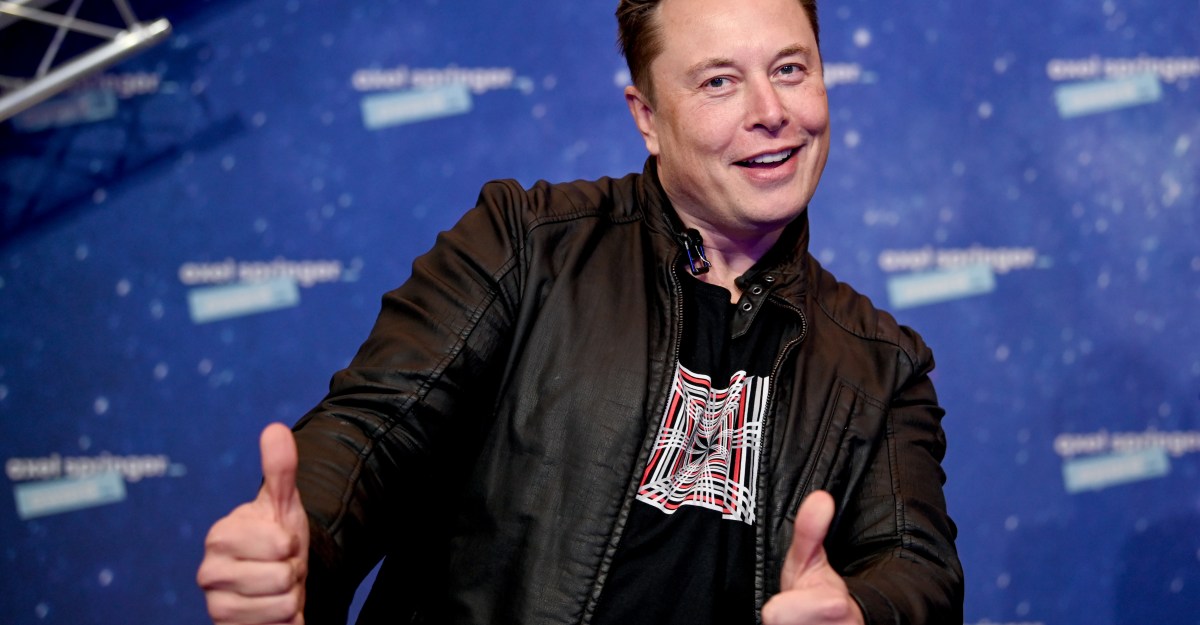
Elon Musk, the visionary entrepreneur behind companies like SpaceX and Tesla, made headlines recently with the announcement of a merger between SpaceX and xAI. The deal, valued at $1.25 trillion, aims to revolutionize the way artificial intelligence (AI) is developed and utilized by taking it to space.
In his announcement, Musk highlighted the limitations of traditional terrestrial data centers that power AI, citing their massive energy consumption and environmental impact. By moving data centers to space, Musk believes that AI can scale more efficiently while minimizing the negative effects on Earth.
This move towards space-based data centers is not unique to Musk. Other tech giants like Google and China are also exploring similar initiatives, with projects like Project Suncatcher and space-based data centers in the form of satellites already in development.
However, beyond the futuristic vision of space-based data centers, the merger between SpaceX and xAI also has financial implications. While SpaceX is a profitable venture, xAI is facing significant cash burn as it competes with well-established players in the AI industry. The merger is seen as a strategic move to leverage the profitability of SpaceX to support the growth of xAI.
This merger is not without its challenges, as seen in Musk’s previous merger of SolarCity with Tesla. Shareholders have raised concerns about the potential conflicts of interest and financial risks involved in combining two companies with vastly different financial outlooks.
Furthermore, the integration of xAI’s technology into Tesla vehicles, particularly the controversial chatbot Grok, has raised ethical concerns and regulatory scrutiny. The integration of AI technology in vehicles has the potential to revolutionize the automotive industry, but it also comes with risks and challenges that need to be carefully managed.
Overall, the merger between SpaceX and xAI represents a bold move towards the future of AI development and space exploration. As Musk continues to push the boundaries of innovation, it will be interesting to see how this merger unfolds and its impact on the broader tech industry.