
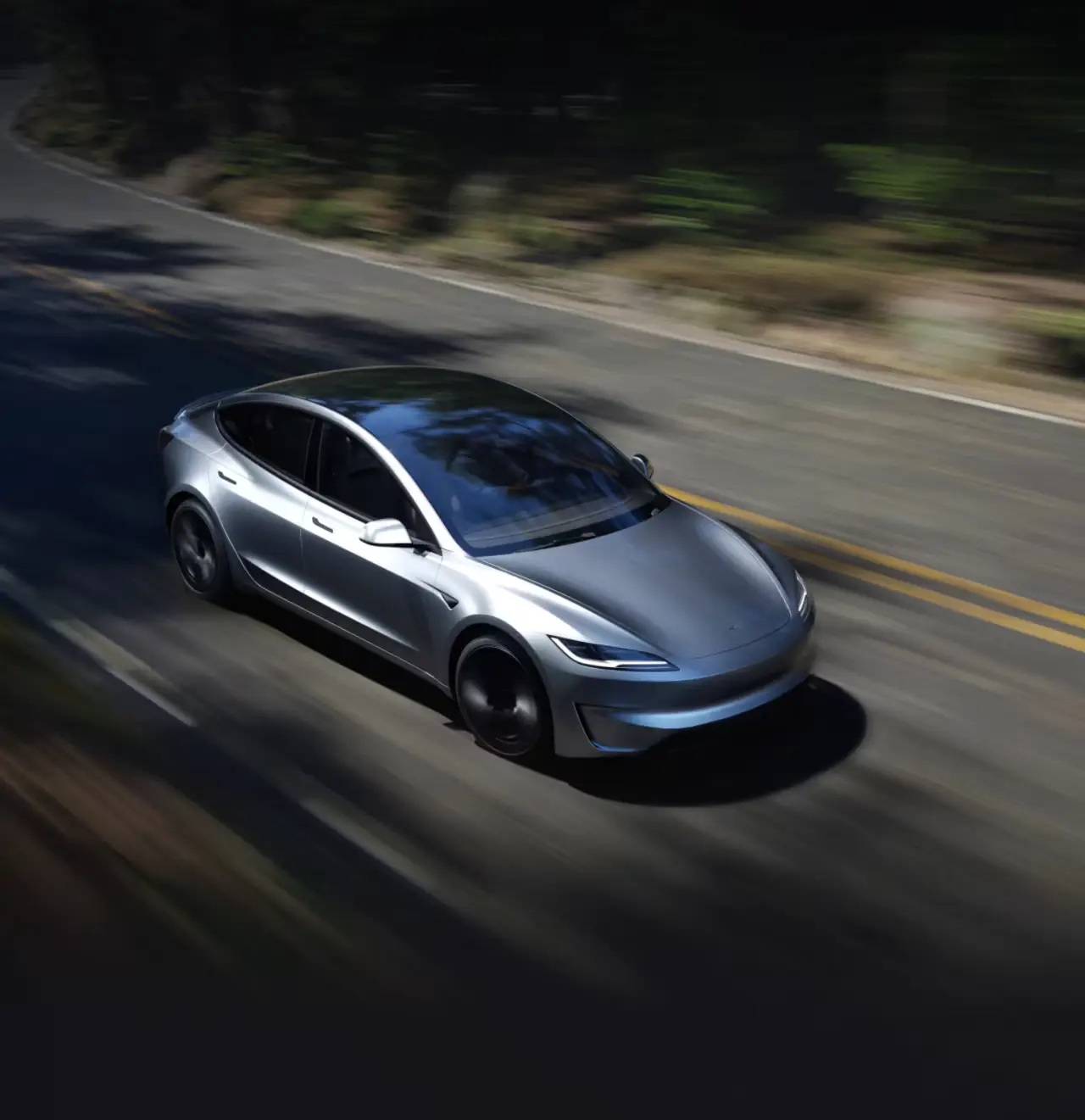
The electric vehicle (EV) market saw significant growth in 2025, with a 23% increase in battery-powered car sales and an 11% increase in plug-in hybrid electric vehicle (PHEV) sales. According to data from the Society of Motor Manufacturers and Traders (SMMT), a record 473,000 EVs and 225,000 PHEVs were sold last year.
Charles Lester, an analyst at Benchmark, highlighted that government subsidies played a crucial role in driving EV sales. Programs such as the EV grant scheme and the zero emission vehicle (ZEV) mandate incentivized manufacturers to meet electric car sale quotas to avoid fines. Lester emphasized the impact of the ZEV mandate on boosting sales, as well as the recent addition of battery electric vehicles to the list of subsidized vehicles.
Looking ahead to 2026, Lester expects subsidies to continue driving sales growth in the EV market. Despite concerns over a proposed 3p-per-mile tax on EVs announced by Rachel Reeves, Lester noted that there has been no immediate impact on sales. The Office for Budget Responsibility (OBR) projected a potential decrease of 440,000 EV sales over the next five years due to the tax, which is set to take effect in 2028.
In response to potential challenges posed by the upcoming tax, the government introduced a grant scheme in July, offering discounts of up to £3,750 on EVs like the Nissan Leaf. This initiative, spearheaded by Transport Secretary Heidi Alexander, contributed to a surge in EV sales in the final quarter of 2025. The scheme helped drive sales to 183,000 EVs in the last three months of the year, compared to 160,000 during the same period in the previous year.
Overall, the EV market remains resilient and continues to show promising growth potential. With ongoing government support through grant schemes and incentives, as well as manufacturers’ efforts to meet ZEV quotas, the future looks bright for electric vehicles in the automotive industry.