
The electric vehicle (EV) industry in Detroit is facing a significant setback, as the Detroit Big Three automakers — General Motors, Ford Motor, and Stellantis — have collectively suffered over $50 billion in write-downs related to their EV investments. This comes as demand for EVs has cooled off and regulations are shifting, forcing these automakers to reevaluate their strategies.
According to a report from The Wall Street Journal, EV sales in the U.S. dropped by more than 30% in the fourth quarter following the expiration of the $7,500 federal EV tax credit in September. This decline affected not only mainstream EV models but also high-profile vehicles like Tesla’s Cybertruck and Ford’s electric pickup.
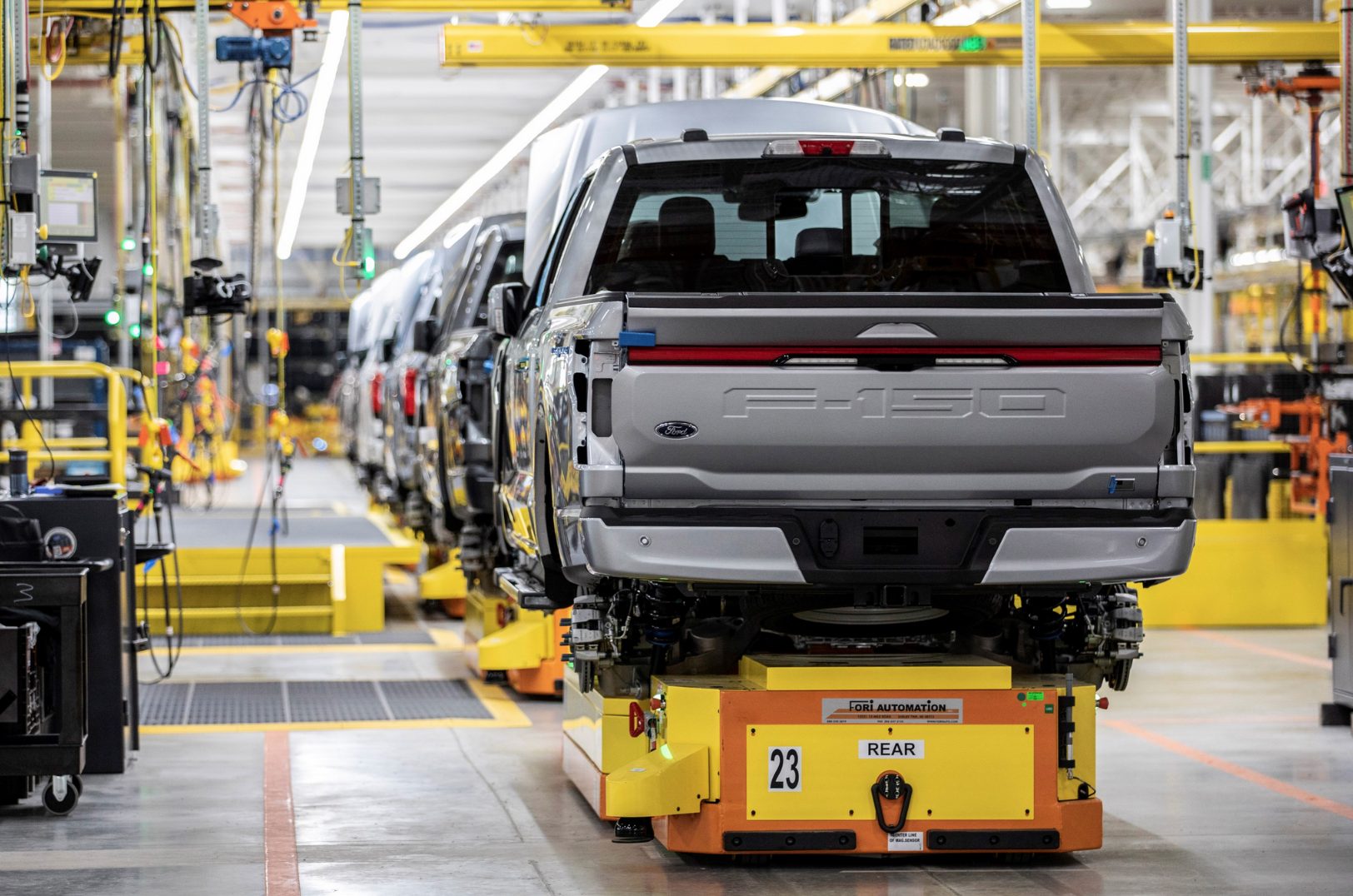
As a result of this downturn, Ford made the decision to cancel its plans for the all-electric F-150 Lightning and recorded a massive $19.5 billion write-down linked to its EV investments. The company is now shifting its focus towards developing a more affordable $30,000 EV with Level 3 “eyes-off” driving capabilities by 2028.
While GM has not made as drastic of a retreat, the company has had to reduce EV production shifts at its Factory Zero plant in Detroit-Hamtramck due to slowing demand. Stellantis faced the largest single EV-related charge among the group, with CEO Antonio Filosa acknowledging that the pace of the energy transition had been overestimated.
The regulatory environment has also played a role in the challenges facing the EV industry in Detroit. The elimination of the federal EV tax credit and fuel-efficiency mandates by Republican lawmakers has further dampened incentives for both automakers and consumers.
Overall, more than $20 billion in previously announced EV and battery plant investments were wiped out last year, marking the first annual decline in clean-economy manufacturing investments in years. Despite the setbacks, EV adoption continues to rise in markets like China, where BYD has surpassed Tesla as the global EV leader.
While the EV transition is not dead, it has become significantly more expensive for America’s legacy automakers. The industry is undergoing a painful recalibration as these companies navigate shifting demand and regulations in the EV market.