
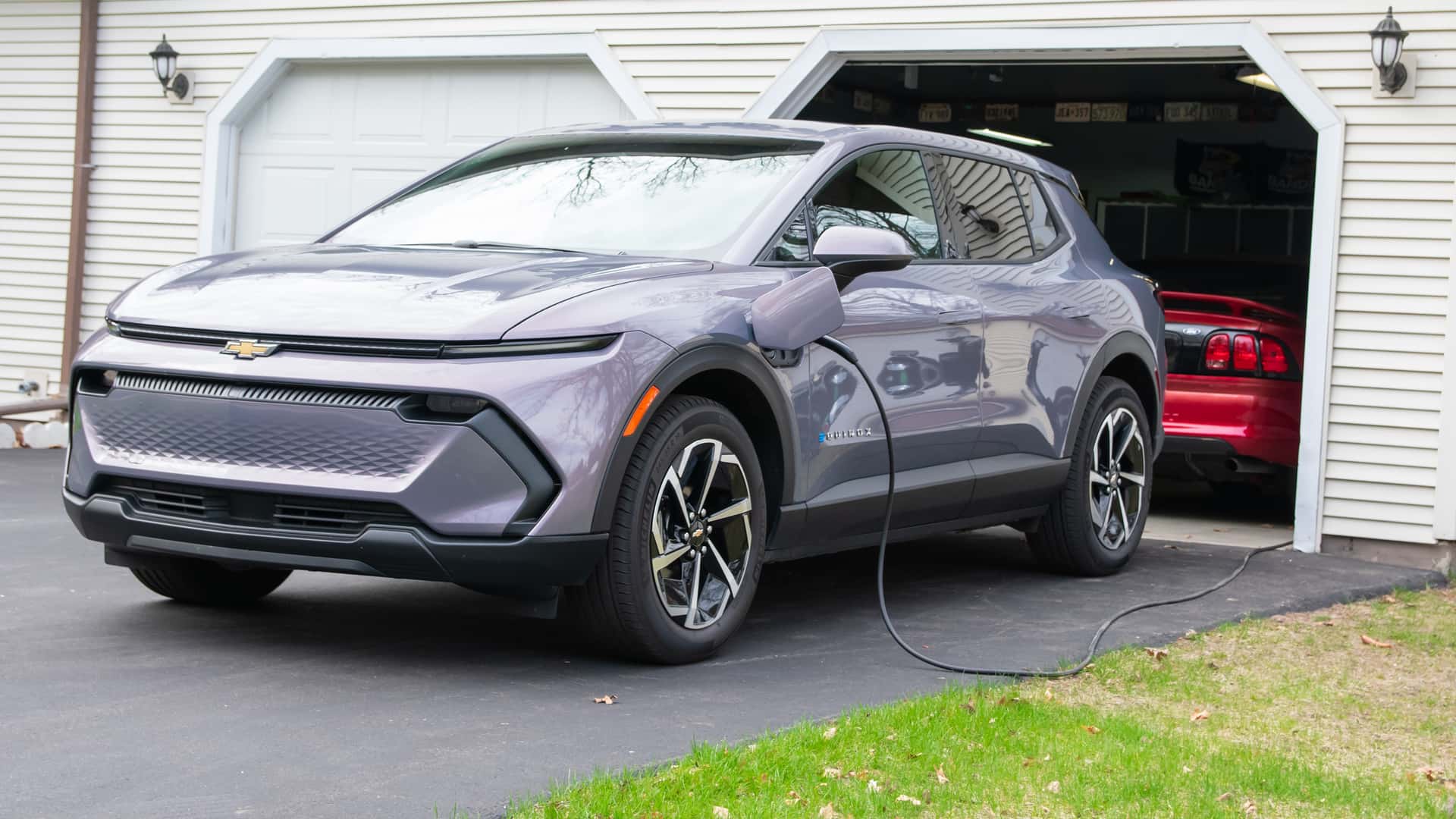
Home EV charging satisfaction is slipping, according to a recent study by J.D. Power. This decline is partly attributed to rising electricity costs, impacting the overall satisfaction of EV owners. The study found that 86% of EV charging takes place at home, highlighting the importance of a reliable and cost-effective home charging setup.
The Electric Vehicle Experience Home Charging Study surveyed 5,399 EV and plug-in hybrid owners between November 2025 and February 2026, focusing on charging speed, cord length, ease of use, and overall satisfaction with charging equipment. The study also considered the cost of charging as a crucial factor in determining satisfaction levels among EV owners.
Results from the study revealed a decrease in satisfaction scores among owners of Level 1 portable chargers, dropping 12 points to 569 on a 1,000-point scale compared to the previous year. Satisfaction for Level 2 portable chargers decreased by four points to 710, while installed Level 2 chargers remained stable at 733.
One of the main reasons for the declining satisfaction scores is the increasing cost of home charging. On average, EV owners reported spending $63 on home charging in the last 30 days, a $5 increase from the previous year. Regions with lower charging costs, such as Colorado, showed higher satisfaction levels, while areas with higher charging expenses experienced lower satisfaction rates.
Rising electricity prices across the country have contributed to the higher cost of home charging. On average, electricity prices rose by about 6% nationwide from 2024 to 2025, with some states seeing double-digit percentage increases. For example, Ohio experienced a 10% rate hike, while New Jersey faced a significant 17% jump in electricity costs during the same period.
To mitigate these rising costs, EV owners can take advantage of off-peak charging hours offered by many utility companies. By scheduling charging during low-demand periods, owners can reduce their overall charging expenses. JD Power found that 38% of EV owners who consistently schedule their charging pay less, with an average cost of $65 over the last 30 days compared to $71 for those who do not schedule.
Additionally, some utilities offer smart-charging programs that automatically adjust charging times based on grid demand, saving EV owners money and optimizing charging efficiency. While 69% of owners are aware of these programs, only 12% are enrolled, indicating a potential opportunity for cost savings among a larger group of EV owners.
However, not all incentivized charging programs are equally effective. Some programs, like Ohio’s time-incentivized rate, may result in higher costs for EV owners due to on-peak pricing increases. Enrolling in these programs could lead to unexpected bill hikes, especially if households are unable to adjust their energy consumption patterns during peak hours.
Despite the challenges posed by rising electricity costs, home charging remains a more cost-effective option compared to DC fast charging. With the current price of gasoline, filling an EV with electricity continues to offer significant savings for owners. By exploring alternative charging strategies and taking advantage of utility programs, EV owners can optimize their home charging experience and reduce overall costs.
The COVID-19 pandemic has brought about unprecedented challenges for individuals, businesses, and governments around the world. As countries continue to grapple with the impact of the virus, many are looking towards the future and considering what the “new normal” will look like post-pandemic.
One of the key areas that has been significantly affected by the pandemic is the way we work. With the widespread implementation of remote work policies, many organizations have had to adapt to a new way of operating. As a result, there has been a shift in the traditional office-based work model to a more flexible and remote work setup.
While remote work has its benefits, such as increased flexibility and cost savings for businesses, it also presents its own set of challenges. One of the biggest challenges that organizations face is maintaining productivity and employee engagement in a remote work environment. Without the physical presence of colleagues and supervisors, employees may feel isolated and disconnected from their work.
To address these challenges, businesses are turning to technology to help bridge the gap. Virtual collaboration tools such as Zoom, Microsoft Teams, and Slack have become essential in facilitating communication and collaboration among remote teams. These tools allow employees to stay connected, share ideas, and work together seamlessly, regardless of their physical location.
Additionally, businesses are also investing in employee wellness programs to support the mental and emotional well-being of their workforce. With the increased stress and anxiety brought on by the pandemic, it is more important than ever for organizations to prioritize the health and well-being of their employees. By offering resources such as mental health counseling, mindfulness training, and virtual wellness workshops, businesses can help their employees cope with the challenges of remote work and stay motivated and engaged.
Looking ahead, the future of work post-pandemic is likely to be a hybrid model that combines elements of remote and in-person work. Many organizations are considering implementing flexible work arrangements that allow employees to work both remotely and in the office, depending on their individual preferences and job requirements. This hybrid approach can help businesses strike a balance between the benefits of remote work and the need for face-to-face collaboration and social interaction.
In conclusion, the COVID-19 pandemic has reshaped the way we work and has accelerated the adoption of remote work practices. While this shift has presented challenges for businesses, it has also opened up new opportunities for innovation and collaboration. By leveraging technology, prioritizing employee well-being, and embracing a flexible work model, organizations can navigate the challenges of remote work and emerge stronger and more resilient in the post-pandemic world.