
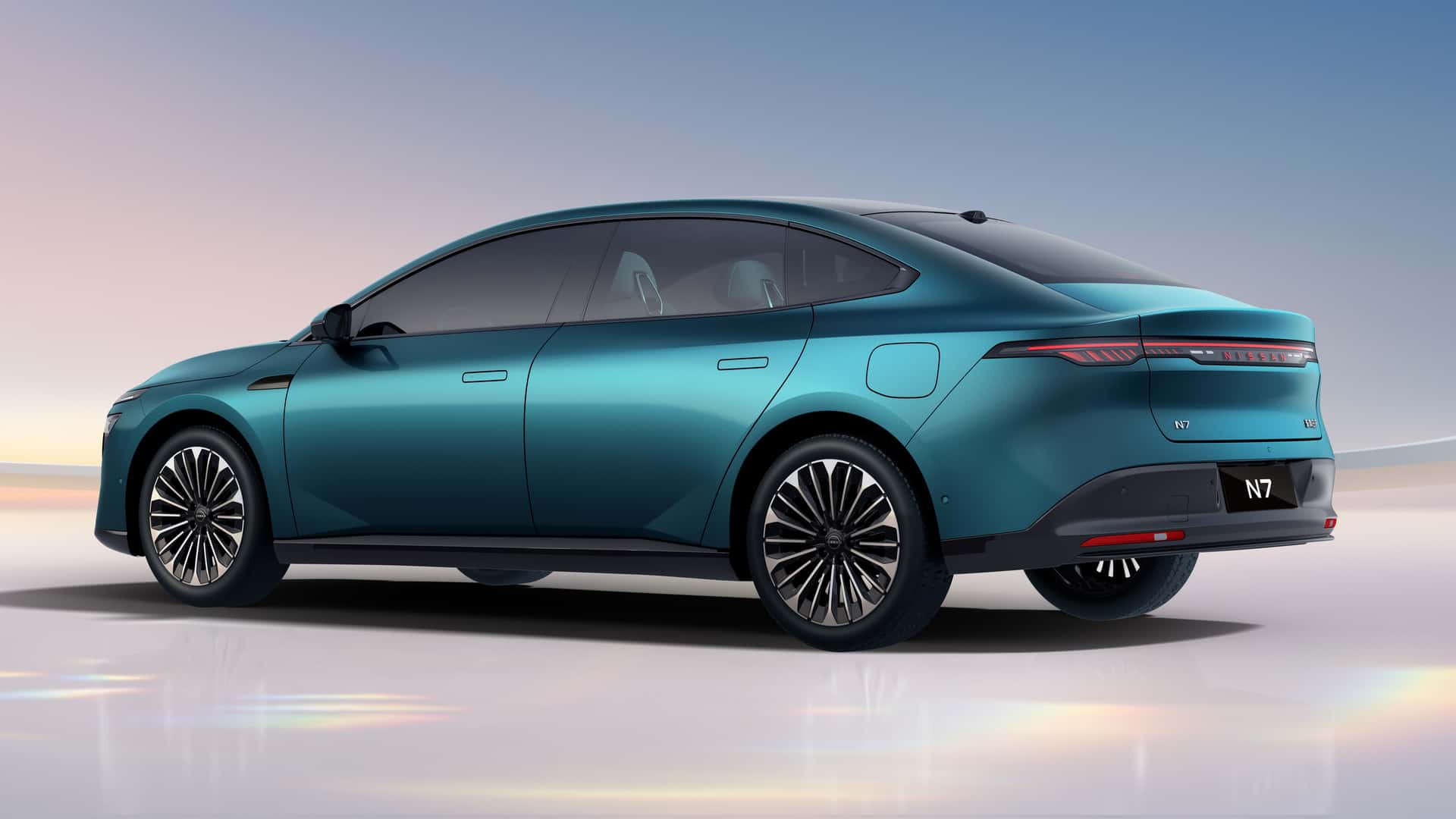
China’s Dongfeng Automobile is making significant strides in the electric vehicle (EV) market with its development of solid-state EVs that are capable of driving over 600 miles on a single charge. The company has announced that the first model to feature this innovative liquid-less battery technology is expected to go on sale in less than a year.
Solid-state batteries have long been touted as the future of EVs, promising increased driving range, enhanced safety, and faster charging speeds. While semi-solid-state EVs are already available in some markets, true solid-state batteries are still in the development phase. However, Dongfeng is one of several automakers racing to bring this technology to the market.
According to Dongfeng, their solid-state battery has been successfully tested at extreme temperatures ranging from -22°F to 266°F. This demonstrates the battery’s durability and reliability in diverse climate conditions.
The company’s new battery boasts an energy density of 350 watt-hours/kilogram, slightly lower than other upcoming solid-state batteries in the market. Despite this, Dongfeng’s battery is still competitive and offers a respectable range for their EVs.
Using a sophisticated multi-component design that includes a high-capacity ternary cathode, a silicon-carbon anode, and an oxide polymer composite solid electrolyte, Dongfeng’s solid-state battery is projected to provide over 621 miles (1,000 kilometers) of range on a single charge, surpassing the capabilities of many current EVs.
Furthermore, Dongfeng is working on a cutting-edge 1,200-volt architecture that enables rapid 2-megawatt charging through a custom-developed 1,700 V silicon-carbide power module. This advanced technology allows the battery to be replenished at a rate of approximately 1.5 miles (2.5 km) per second or 280 miles (450 km) in just five minutes.
While these claims are impressive, the true test will be when Dongfeng’s solid-state EVs hit the roads next year. As the automotive industry continues to push the boundaries of electric vehicle technology, Dongfeng’s advancements in solid-state batteries could pave the way for a new era of long-range, fast-charging EVs.
There have been several technological advancements in recent years that have improved our daily lives in various ways. From smartphones to smart home devices, technology has made our lives more convenient and efficient. One of the most notable advancements in technology is the development of artificial intelligence (AI).
AI is a branch of computer science that aims to create intelligent machines that can perform tasks that typically require human intelligence, such as visual perception, speech recognition, decision-making, and language translation. AI has the potential to revolutionize industries across the board, from healthcare to finance to transportation.
One of the most significant applications of AI is in the field of healthcare. AI-powered tools and algorithms can help doctors and healthcare professionals diagnose diseases, predict patient outcomes, and personalize treatment plans. AI can analyze large amounts of medical data to identify patterns and trends that may not be apparent to human doctors, leading to more accurate diagnoses and better treatment outcomes.
In the finance industry, AI is being used to detect fraud, automate trading, and personalize customer experiences. AI-powered chatbots can provide customers with personalized recommendations and assistance, while machine learning algorithms can analyze financial data to identify trends and make predictions about market movements.
In the transportation sector, AI is being used to improve traffic management, optimize logistics, and develop autonomous vehicles. AI algorithms can analyze traffic patterns and adjust traffic signals in real-time to reduce congestion and improve traffic flow. Autonomous vehicles use AI to navigate roads and make decisions about speed, lane changes, and stopping, potentially reducing accidents and improving road safety.
Despite the many benefits of AI, there are also concerns about its impact on jobs and privacy. As AI becomes more advanced, there is a fear that it may replace human workers in certain industries, leading to job losses and economic disruption. Additionally, there are concerns about the ethical implications of AI, such as bias in algorithms and the potential for misuse of AI-powered tools.
Overall, AI has the potential to transform industries and improve our daily lives in countless ways. However, it is essential to approach the development and deployment of AI with caution and ensure that it is used responsibly and ethically. By harnessing the power of AI while addressing its potential risks, we can create a future where technology enhances our lives and society as a whole.