
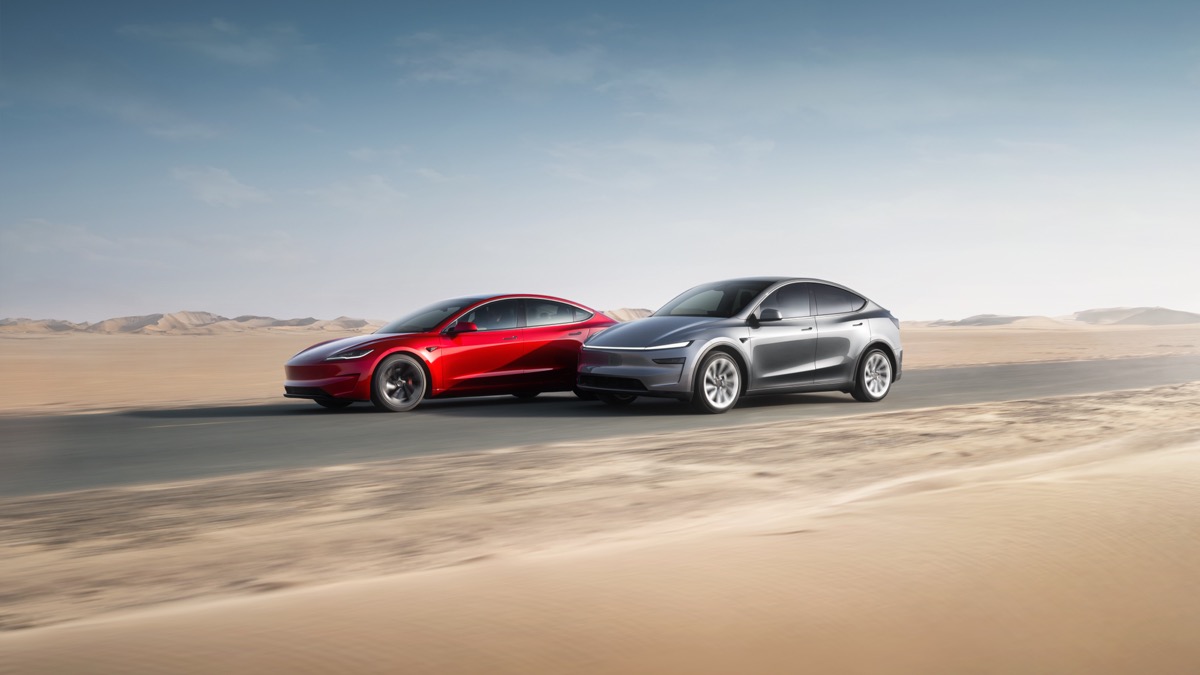
Tesla is making significant strides in localizing its in-car software experience in China through a strategic partnership with Tencent. The collaboration aims to enhance the user experience for Tesla Model 3 and Model Y owners in China by introducing WeChat-linked in-car features.
According to a report by Reuters, Tencent Cloud has joined forces with Tesla to introduce new functionalities that will be accessible through an over-the-air (OTA) update for existing Model 3 and Model Y vehicles in China. These features will also come pre-installed on future vehicles manufactured at Gigafactory Shanghai.
The key focus of this integration revolves around two main capabilities. Firstly, drivers will have the ability to seamlessly transfer location data shared within a WeChat conversation directly to their Tesla’s navigation system. This eliminates the cumbersome process of manually inputting addresses and enhances convenience for users. Secondly, Tencent’s cloud and AI infrastructure will offer context-aware service recommendations based on the selected destination, such as nearby restaurants, parking facilities, and other local services.
This move by Tesla to integrate WeChat functionalities into its vehicles aligns with the trend in the Chinese market, where digital ecosystems like WeChat play a central role in daily life. Domestic electric vehicle manufacturers in China, such as BYD, NIO, and Li Auto, have long integrated deep ties with local digital platforms. In contrast, Tesla has traditionally favored a more closed software stack.
The timing of this partnership is crucial for Tesla, especially in the face of increasing competition and pricing pressure from local EV makers in China. Additionally, Tesla’s highly anticipated Full Self-Driving software is not yet available in the country. To address this, Tesla recently inaugurated a new AI training center in China to expedite the development of its assisted driving capabilities, a critical step towards introducing Full Self-Driving technology to the Chinese market.
While WeChat integration may not directly propel Tesla’s autonomy ambitions overnight, it signifies a pragmatic shift towards embracing China’s dominant digital platforms to remain competitive. For the over one million Model 3 and Model Y owners in China, this update is expected to make their vehicles feel more seamlessly integrated into their everyday digital lives.
In conclusion, Tesla’s collaboration with Tencent to introduce WeChat-linked in-car features represents a significant step towards enhancing the user experience for Tesla owners in China. By leveraging Tencent’s expertise in cloud and AI technologies, Tesla is poised to deliver a more tailored and intuitive in-car software experience for its customers in one of the world’s largest EV markets.