
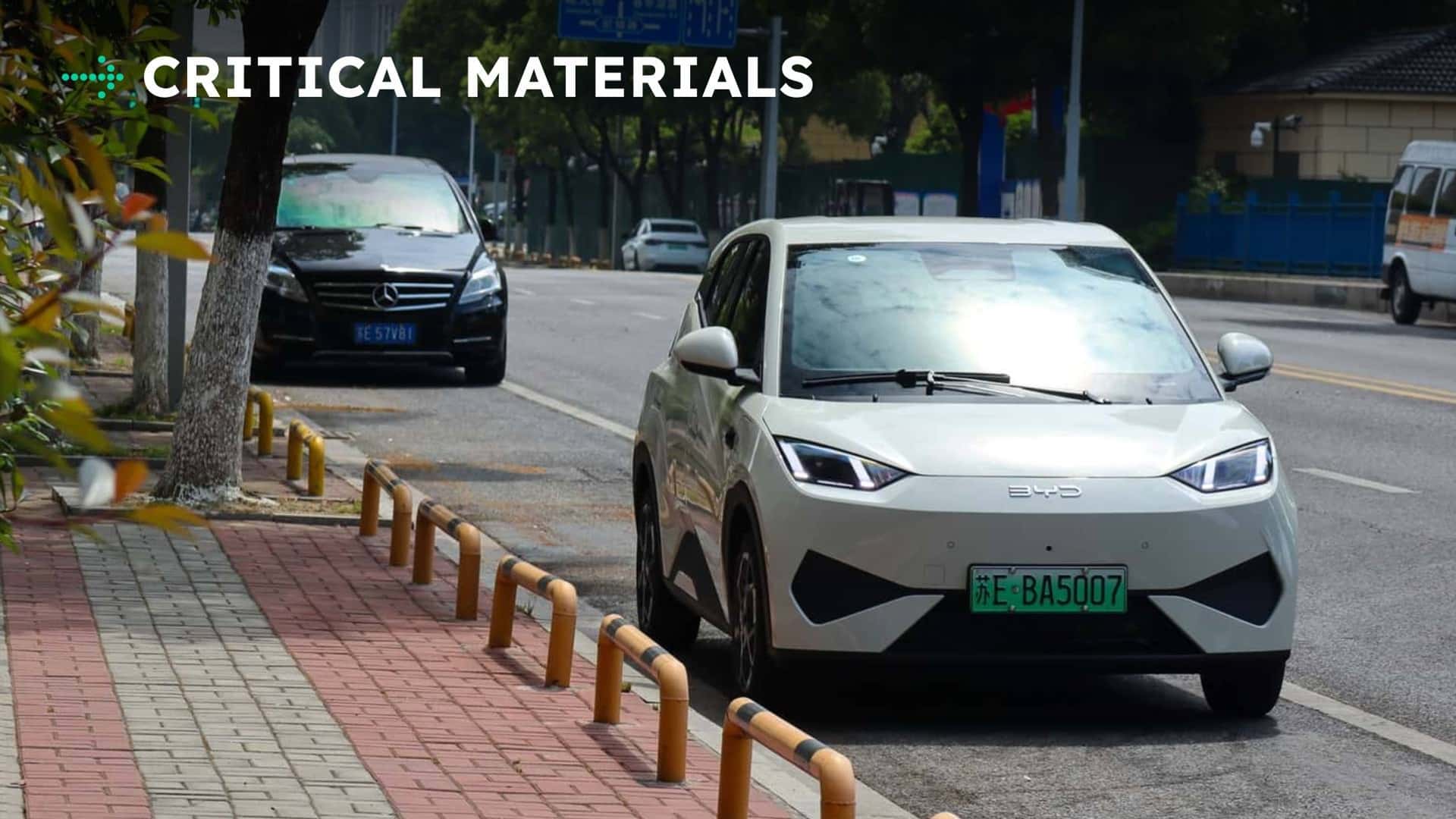
Chinese Automakers Feeling the Heat as EV Sales Plateau
China has long been seen as a leader in the electric vehicle (EV) market, with its generous subsidies and cutting-edge battery technology. However, recent trends indicate that even Chinese automakers are facing challenges as EV sales in the country begin to flatline.
One of the biggest players in the Chinese EV market, BYD, has experienced a significant decline in sales, with a 30% drop year over year in January. This decline can be attributed to the expiration of subsidies in December and the introduction of a new purchase tax in the new year, which have impacted consumer demand for EVs.
The slowdown in EV sales in China comes as a surprise to many, as the country has been a major driver of global EV adoption. In 2025, plug-in vehicles accounted for more than 50% of the new car market in China, signaling a strong shift towards electric mobility. However, changing policies and increased competition have now put pressure on Chinese automakers to innovate and adapt to the evolving market landscape.
According to industry experts, the recent decline in EV sales in China is a sign that the transition to electric mobility is not without its challenges. Companies like BYD, which have been at the forefront of China’s EV boom, are now facing stiff competition from domestic rivals like Geely, whose Xingyuan Galaxy EV has been gaining traction in the market.
The impact of policy changes on EV sales in China mirrors what has been seen in other markets, such as the United States. In the U.S., buyers rushed to take advantage of federal tax credits before they expired, leading to a surge in EV sales in the third quarter of last year. Similarly, the introduction of a purchase tax in China has had an immediate effect on consumer behavior and sales figures.
As China grapples with a plateau in EV sales, automakers in the country will need to adapt their strategies to remain competitive in a rapidly evolving market. The challenges faced by Chinese automakers serve as a reminder that the transition to electric mobility is a complex process that requires innovation, adaptability, and a deep understanding of consumer preferences and market dynamics. China saw a surge in demand for electric vehicles in December before the new tax regime took effect. This pull-forward effect was evident as consumers rushed to purchase EVs before the new tax rules kicked in. The spike in demand was similar to what was observed in other countries, such as the United States.
One of the key players in the Chinese EV market is BYD, which is facing tough competition from other companies like Xiaomi, Xpeng, Geely, and Nio. Geely’s Galaxy Xingyuan electric supermini emerged as the best-selling “new energy vehicle” in China last year, surpassing the Tesla Model Y in sales. The Geely Galaxy Xingyuan recorded an impressive 465,000 sales, highlighting the growing popularity of electric vehicles in the country.
Xiaomi also made significant strides in the Chinese EV market, with its SU7 sedan ranking as the seventh best-selling model with over 250,000 units sold. While BYD continues to dominate the top ten best-selling models list with five entries, its competitors are rapidly catching up.
In the United States, concerns about robotaxis were in the spotlight during a Commerce Committee hearing where top executives from Tesla and Waymo were grilled by U.S. Senators. The executives faced questions on a range of issues related to autonomous vehicles, including safety, misleading marketing practices, teleoperation, and competition from China.
Despite the push from Tesla and Waymo for a national framework to accelerate the deployment of robotaxis, lawmakers did not seem to reach a consensus. Tesla’s vice president of vehicle engineering, Lars Moravy, emphasized the need for updated federal regulations to keep pace with technological advancements in the automotive industry.
Waymo was questioned about a recent incident involving one of its robotaxis striking a child in Santa Monica, prompting the company to collect more data to enhance safety measures. Senators also raised concerns about Waymo using Chinese-made vans for testing and Tesla’s marketing of its Full-Self Driving software, which still requires driver supervision.
As companies continue to invest in autonomous technology, the gap between technological advancements and federal regulations remains a challenge. The future of robotaxis and self-driving vehicles hinges on the ability to address safety concerns, regulatory frameworks, and competition from both domestic and international markets. The Canadian government has decided to scrap its proposed electric vehicle (EV) mandate and instead focus on accelerating its incentive program to promote EV adoption. This decision comes as a surprise to many, especially considering the country’s previous commitment to reducing greenhouse gas emissions and transitioning to a greener transportation sector.
The initial plan for an EV mandate would have required automakers to sell a certain percentage of zero-emission vehicles in their lineup. However, the government has now shifted its focus to providing more incentives and rebates for consumers to purchase EVs. This new approach aims to make EVs more accessible and affordable for Canadians, ultimately driving up demand and increasing EV sales in the country.
With this change in strategy, Canada is hoping to make significant progress towards its climate goals and reduce its reliance on fossil fuels. By incentivizing EV adoption, the government is encouraging consumers to make the switch to cleaner, more sustainable transportation options.
While some may be disappointed by the decision to scrap the EV mandate, many are optimistic about the potential impact of the accelerated incentive program. With more financial support available for EV buyers, it is expected that the adoption rate of electric vehicles in Canada will increase significantly in the coming years.
In the meantime, as Canada works to streamline its EV incentive program, consumers can expect to navigate a patchwork of local and state laws governing EV adoption and usage. This may create some confusion and challenges for consumers looking to make the switch to electric vehicles, but with the right information and resources, the transition can still be a smooth one.
Overall, Canada’s decision to prioritize incentives over mandates reflects a shift in approach towards promoting EV adoption and sustainability in the country. While the road ahead may be uncertain, one thing is clear – Canada is committed to accelerating the transition to a greener, more sustainable transportation future.