
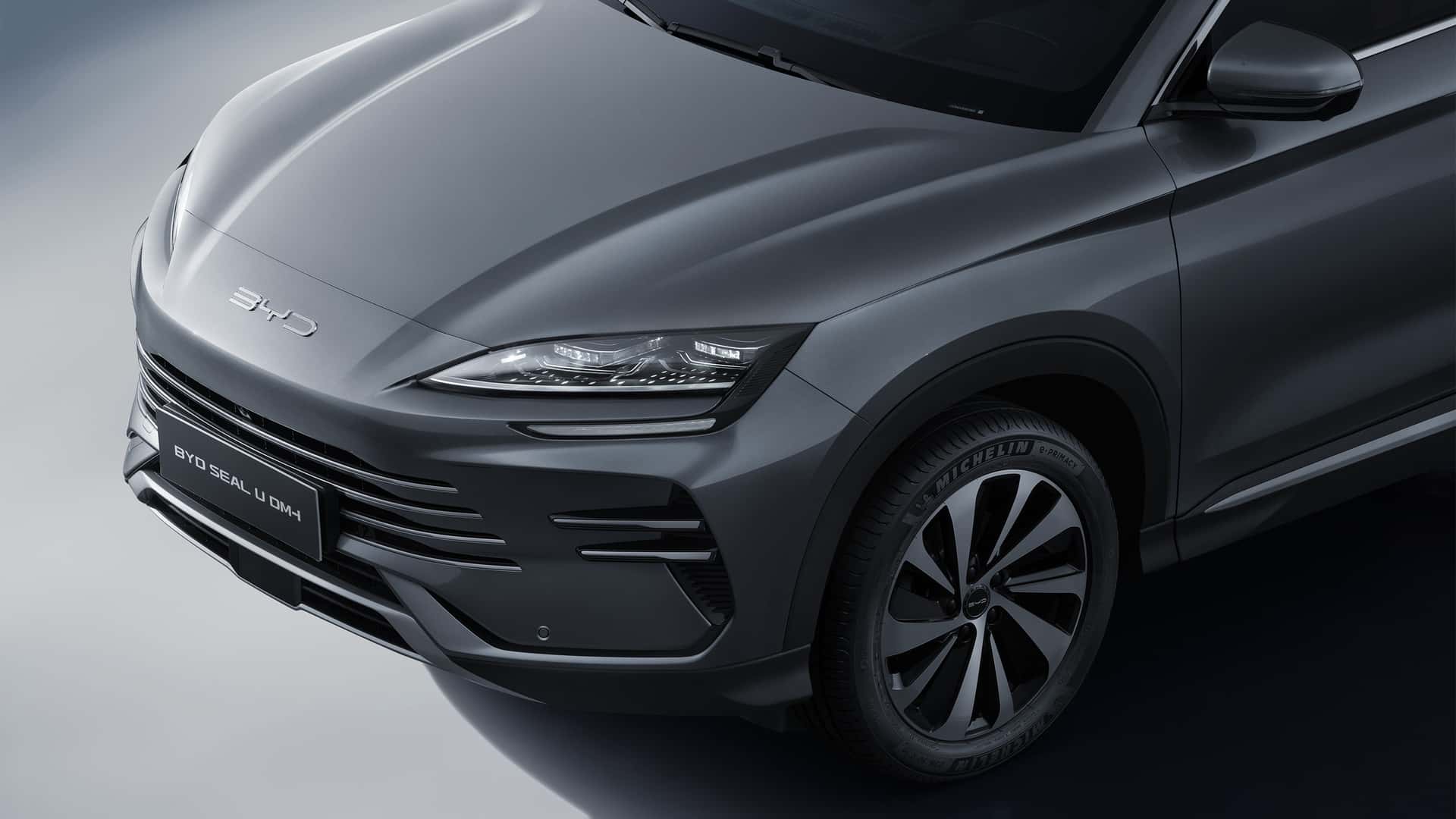
The BYD Seal U made a significant impact in the European market last year, becoming the best-selling plug-in hybrid vehicle in the region. Despite being a newcomer to the European market in 2025, the Seal U managed to outsell established rivals like the Volkswagen Tiguan, Volvo XC60, and Ford Kuga, with over 70,000 units sold.
One key factor contributing to the Seal U’s success is its competitive pricing. Priced at €39,990 ($46,800) in Germany for the base model, the Seal U significantly undercuts its competitors. For comparison, the Volkswagen Tiguan eHybrid PHEV starts at €52,215, while the Volvo XC60 PHEV has a starting price of €67,990.
In terms of specifications, the BYD Seal U offers a 50-mile (80-kilometer) all-electric range thanks to its 18.3-kilowatt-hour lithium iron phosphate (LFP) battery. The vehicle can be recharged from an AC source at up to 11 kW or from a DC fast charger at 18 kW. On the other hand, the Volkswagen Tiguan boasts a 19.7 kWh nickel cobalt manganese (NCM) traction battery with a theoretical all-electric range of up to 76 miles (126 km) and can accept up to 40 kW from a DC fast charger.
Despite not having any standout features compared to its European counterparts, the BYD Seal U’s affordability and practicality have resonated with consumers. The crossover’s high sales figures in 2025 indicate a growing demand for electric and plug-in hybrid vehicles in Europe and highlight the importance of competitive pricing in the market.
This surge in demand for plug-in hybrids is not surprising, given the increasing concern for the environment and the push for cleaner, more sustainable transportation options. With stricter emissions regulations in place and a greater awareness of the impact of traditional combustion engines on the planet, consumers are turning to electric and hybrid vehicles as a more environmentally friendly alternative.
One of the key players in the European plug-in hybrid market is BYD, a Chinese automaker known for its innovative electric vehicles. The company’s offerings have been gaining traction in Europe, thanks in part to their aggressive pricing strategy. The BYD plug-in hybrid models, such as the BYD Tang and Qin, are priced competitively, making them an attractive option for budget-conscious consumers.
In comparison, even established brands like Ford are finding it difficult to match BYD’s pricing. The Ford Kuga PHEV, for example, starts at €47,100 ($55,100), which is significantly higher than the starting price of BYD’s plug-in hybrid models. This price difference has helped BYD gain a foothold in the European market and attract customers looking for affordable electric and hybrid options.
The success of BYD in the European plug-in hybrid market is a testament to the company’s commitment to providing high-quality, affordable electric vehicles. With a focus on innovation and sustainability, BYD has positioned itself as a leader in the electric vehicle industry, offering consumers a compelling alternative to traditional combustion engine vehicles.
As more European car buyers embrace electric and hybrid vehicles, it is clear that the demand for environmentally friendly transportation options will continue to grow. With companies like BYD leading the way with competitive pricing and innovative technology, the future of the European plug-in hybrid market looks bright.