
“But we’ve broken through those barriers, and are now demonstrating the first commercial-scale, stable, and sustainable silicon anode technology. This technology will be transformative to the industry and allow us to meet the demands of the future.”
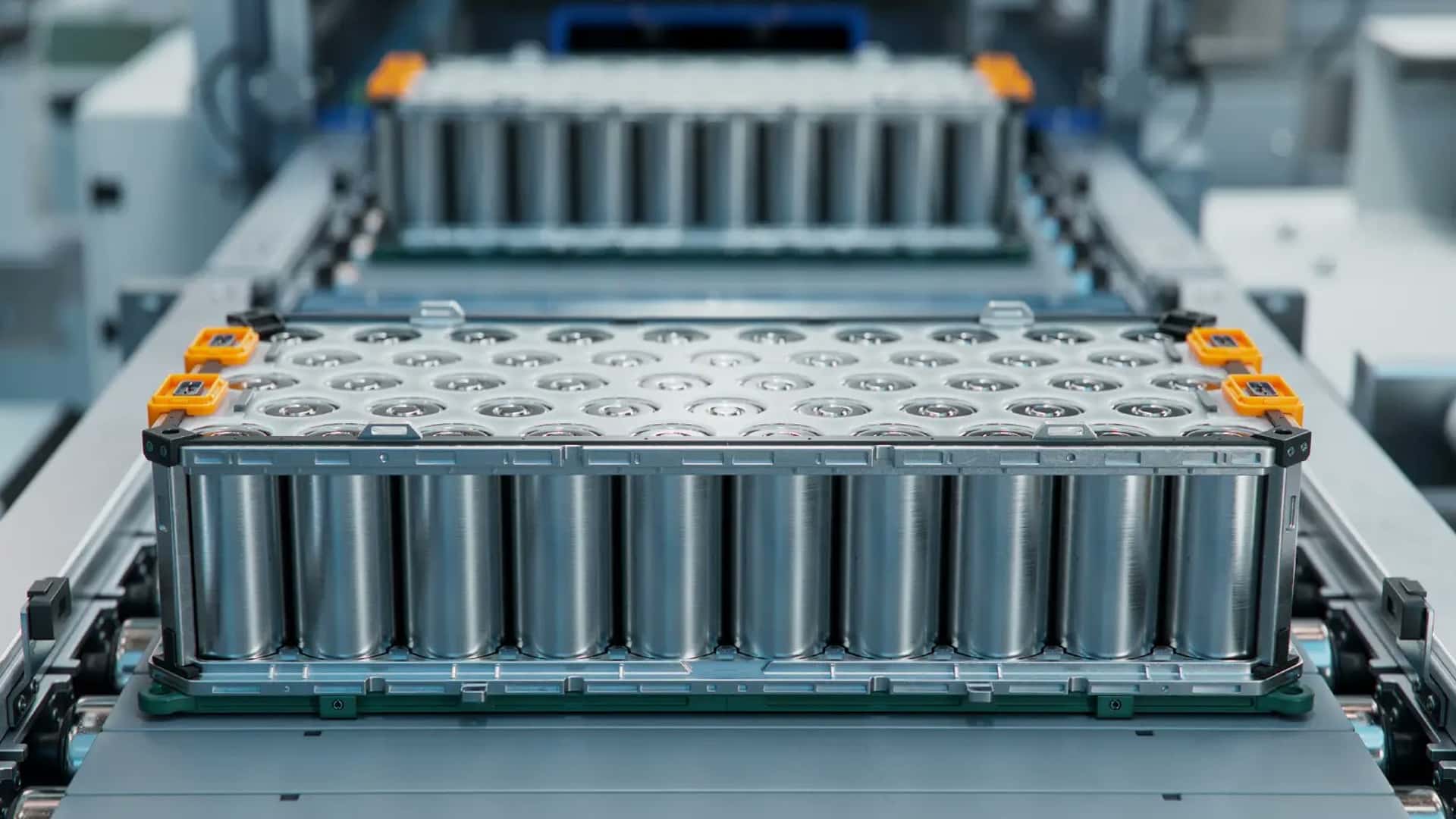
The breakthrough in silicon anodes comes at a crucial time when automakers and electronics giants are trying to reduce their dependency on graphite for battery production. With the global push for electric vehicles and renewable energy storage, the demand for high-performance batteries is at an all-time high. Silicon anodes have the potential to revolutionize the battery industry by providing higher energy density, faster charging times, and a more sustainable alternative to graphite.
The partnership between Group14 Technologies and Sionic Energy, backed by Porsche, is a significant step forward in advancing silicon anode technology. The successful testing of silicon-carbon anodes in pouch cells at high temperatures demonstrates the viability of silicon as a replacement for graphite. This breakthrough could pave the way for the commercialization of silicon anodes in next-generation batteries for electric vehicles, consumer electronics, and energy storage systems.
As the world transitions to a greener future, innovations in battery technology will play a crucial role in enabling sustainable energy solutions. Silicon anodes offer a promising alternative to graphite, with the potential to enhance the performance and efficiency of lithium-ion batteries. With continued research and development, silicon anodes could soon become the new standard in battery production, driving the next wave of innovation in the energy storage industry.
The partnership between Sionic Energy and Group14 is breaking new ground in the world of silicon anode technology, with promises of increased energy density, faster charging times, and improved battery performance. The companies claim that their silicon anodes can achieve up to 400 watt-hours per kilogram of energy density, significantly higher than the 200-300 Wh/kg commonly seen in batteries today. They also boast a cycle life of over 1,200 cycles, making the technology “market ready.”
While silicon anodes have their drawbacks compared to traditional graphite anodes, such as swelling of the electrolyte and irreversible capacity fade, Sionic and Group14 claim to have addressed these issues with their proprietary anode binder and design architecture. Group14’s silicon anodes are said to be “drop in,” meaning they can be integrated into existing manufacturing processes without the need for retooling.
The potential of silicon-anode batteries is already being demonstrated in high-end Chinese smartphones, delivering impressive battery capacity without adding bulk to the devices. The technology has also made its way into performance vehicles like the McMurtry Spéirling hypercar, which features Group14’s silicon anodes in its 100 kWh battery pack.
Mercedes-Benz is also getting in on the action, with plans to use Silicon anodes from Sila in their electric G-Class with EQ Technology. The vehicle is expected to deliver up to 40% more energy density compared to traditional battery packs, offering a usable battery capacity of 116 kWh and an EPA range of 239 miles.
As the demand for electric vehicles continues to grow, the development of silicon anode technology could play a crucial role in accelerating the adoption of EVs by improving battery performance and driving down costs. With companies like Sionic Energy and Group14 leading the way, the future of silicon anode batteries looks bright. Mercedes-Benz has been at the forefront of innovation in the automotive industry, with a focus on incorporating cutting-edge technology into their vehicles. One such technology that has been causing a buzz in the industry is the use of smartphone-like fingerprint sensors in their cars. This technology has the potential to revolutionize the way we interact with our vehicles, providing a more secure and personalized experience for drivers.
However, it remains unclear whether Mercedes-Benz has actually deployed this technology in their production vehicles or if it is still in the testing phase for future variants. Despite reaching out to the automaker for comment, they have yet to respond to inquiries from InsideEVs. This lack of communication has left many enthusiasts wondering about the future of this groundbreaking technology in Mercedes-Benz vehicles.
The use of fingerprint sensors in cars is not entirely new, as we have seen similar technology being implemented in smartphones for years. With the increasing popularity and acceptance of biometric authentication in various applications, it is only a matter of time before we see wider adoption of this technology in the automotive industry. The convenience and security benefits of using fingerprint sensors in cars are undeniable, making it a highly desirable feature for tech-savvy consumers.
With the rapid advancements in technology and the growing demand for connected and smart vehicles, it is likely that Mercedes-Benz will eventually incorporate fingerprint sensors into their production vehicles. This move would not only enhance the user experience for drivers but also position the company as a leader in automotive innovation. As we await further updates from Mercedes-Benz on the deployment of this technology, one thing is certain – the future of automotive technology looks promising with the introduction of features like fingerprint sensors in cars.