
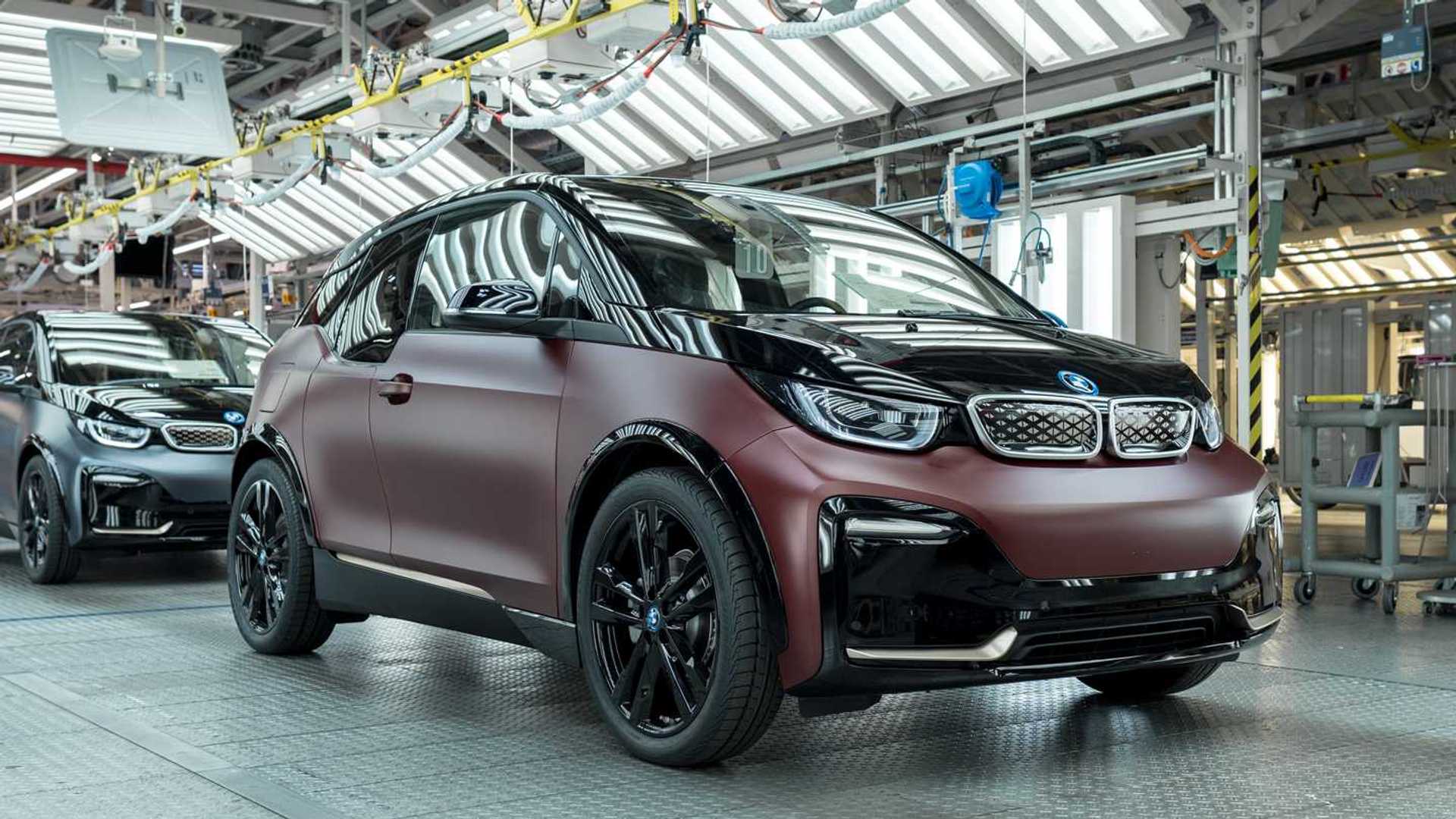
BMW has been at the forefront of developing extended-range EVs (EREVs) with the i3 REx hatchback. However, the company is now reconsidering the need for range extenders in its future lineup. While other manufacturers are incorporating range-extending generators into their electric platforms, BMW is hesitant to follow suit.
In a recent interview with BMW Blog, BMW’s product boss, Bernd Körber, mentioned that while the company is capable of reintroducing range extenders, they have not yet decided on the necessity of doing so. Körber highlighted that with the advancement of faster-charging EVs and the improvement of charging infrastructure, the need for range extenders has diminished. BMW is closely monitoring the sales performance of its pure electric models and will only consider range extenders if there is a significant demand for them in the market.
The i3 REx was a groundbreaking vehicle when it was launched in 2014, offering a real-world range of around 80 miles. The addition of a range extender in the form of a motorbike engine and a small fuel tank provided an extra 90 miles of range, making it a practical solution at the time. However, BMW discontinued the REx variant of the i3 in 2018 after increasing its battery capacity and enhancing its WLTP range to 193 miles.
While BMW has not introduced many extended-range EVs since the i3, other automakers like Scout, Ram, Jeep, and Hyundai are gearing up to launch EREVs in the near future. Bloomberg reported that BMW is considering offering range extender versions of the X5 and 7 Series in China to boost sales in the region.
With BMW’s focus on expanding its electric vehicle lineup and improving battery technology, the need for range extenders may become less relevant in the future. As the EV market continues to evolve, BMW will continue to assess the demand for range extenders and make strategic decisions to meet the needs of its customers.
While the manufacturer did not explicitly confirm plans to develop a range extender for their electric vehicles, their statements suggest that they are keeping a close eye on market trends and consumer preferences. With advancements in technology and the increasing demand for electric vehicles, it is not surprising that BMW is considering the potential for range extenders.
One of the key factors that BMW is likely considering is the driving experience that their vehicles offer. BMW is known for creating cars that are not only environmentally friendly but also provide a thrilling driving experience. Any range extender developed by BMW would need to meet their high standards and enhance the overall performance of their electric vehicles.
By continuously analyzing usage patterns, customer needs, and market developments, BMW is positioning itself to stay at the forefront of the electric vehicle market. If there is a significant demand for EREVs in the future, BMW may be ready to capitalize on this opportunity and offer customers a range extender option that aligns with their brand values.
As the automotive industry continues to evolve, BMW’s willingness to adapt and explore new technologies demonstrates their commitment to innovation and meeting the needs of their customers. Whether or not a range extender becomes a reality for BMW electric vehicles remains to be seen, but it is clear that the company is open to exploring all possibilities to stay competitive in the rapidly changing market.