
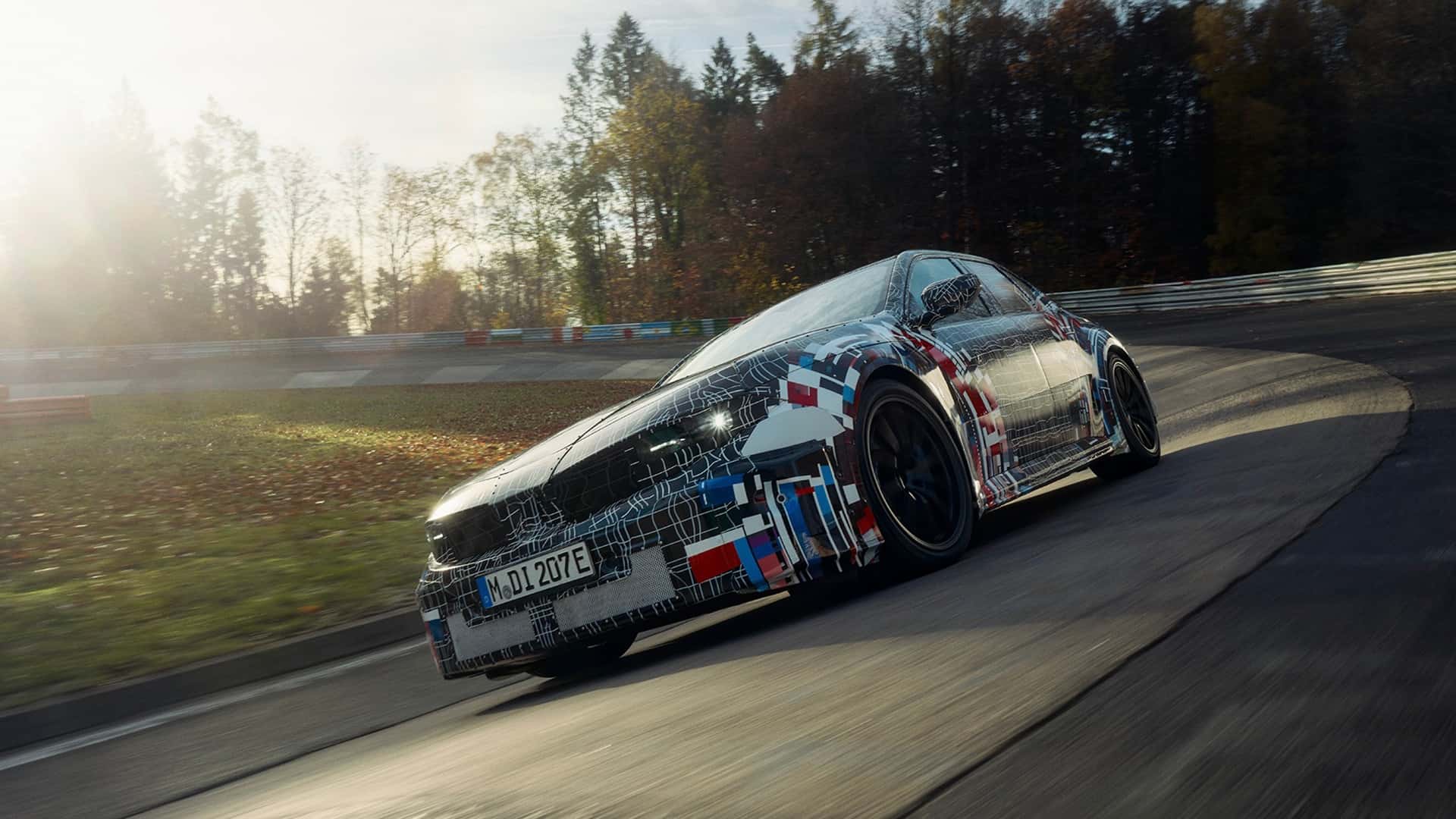
BMW is taking a unique approach to give their upcoming electric M3 a sense of character and connection by incorporating engine sounds from three iconic M cars. The E63 M6, F82 M4, and E90 M3 have all been sampled to provide the electric M3 with a distinctive sound that pays homage to BMW’s performance heritage.
A recent video released by BMW’s Motorsport division showcases the prototype of the electric M3 featuring engine sounds that differ from what was previously heard. This suggests that the electric M3 may offer multiple switchable engine sounds, allowing drivers to choose the one that resonates with them the most.
Electric vehicles often lack the visceral experience of traditional combustion engine cars due to their silent operation. To address this, many performance-oriented EVs now feature synthesized acceleration sounds. However, BMW is taking it a step further by incorporating real engine sounds from their iconic M cars to provide a more authentic driving experience.
The video highlights sounds recorded from the E90 M3 with its S65 naturally aspirated V8 engine, and the E63 M6 with its unmistakable V10 engine. The interior clip of the electric M3 prototype accelerating showcases a sound reminiscent of the M6’s V10, hinting at the possibility of multiple engine sound options for the electric M3.
While artificial engine audio may be a divisive topic among enthusiasts, BMW’s approach of grounding it in their heritage adds a layer of authenticity to the driving experience. The ability to choose from different real BMW M engine sounds in the electric M3 further enhances the connection between the driver and the vehicle.
In addition to the engine sounds, BMW is also incorporating a feature that allows drivers to simulate gear shifts in the electric M3, mimicking the driving experience of a combustion M car. This feature adds a level of involvement and engagement for drivers who appreciate the tactile feedback of shifting gears.
Other automakers, such as Mercedes-AMG with their upcoming C590 EV, are also exploring similar technologies to enhance the driving experience of electric vehicles. The incorporation of simulated engine sounds in EVs aims to bridge the gap between traditional combustion engines and electric powertrains, providing drivers with a familiar and engaging driving experience.
Overall, BMW’s decision to incorporate real engine sounds from their iconic M cars into the electric M3 showcases their commitment to delivering a unique and engaging driving experience for enthusiasts. With multiple engine sound options and simulated gear shifts, the electric M3 aims to provide a blend of performance and heritage that sets it apart in the world of electric vehicles.
The global pandemic caused by the novel coronavirus has undoubtedly changed the way we live our lives. From social distancing measures to widespread lockdowns, the world as we know it has been turned upside down. One of the most significant impacts of the pandemic has been on the way we work and how businesses operate.
With the implementation of strict lockdown measures, many businesses were forced to close their doors temporarily, while others had to quickly adapt to remote work arrangements. This shift to remote work has been a game-changer for many companies, as it has allowed employees to continue working from the safety of their own homes while still maintaining productivity levels.
However, the transition to remote work has not been without its challenges. Many employees have struggled to find a work-life balance, with the lines between work and home life becoming increasingly blurred. Additionally, communication and collaboration have become more difficult, as employees are no longer able to have face-to-face interactions with their colleagues.
Despite these challenges, many businesses have found ways to adapt and thrive in this new working environment. Virtual meeting platforms such as Zoom and Microsoft Teams have become essential tools for remote collaboration, allowing employees to stay connected and work together effectively. Companies have also implemented new technologies and digital tools to streamline processes and improve efficiency.
As the pandemic continues to evolve, many businesses are now considering the long-term implications of remote work. Some companies have announced permanent remote work policies, allowing employees to work from home indefinitely. Others are exploring hybrid models, where employees split their time between working remotely and in the office.
Overall, the pandemic has forced businesses to reevaluate their traditional ways of working and embrace new technologies and strategies to stay competitive in the ever-changing business landscape. While the future of work remains uncertain, one thing is clear – remote work is here to stay, and businesses must continue to adapt and innovate to thrive in this new era.