
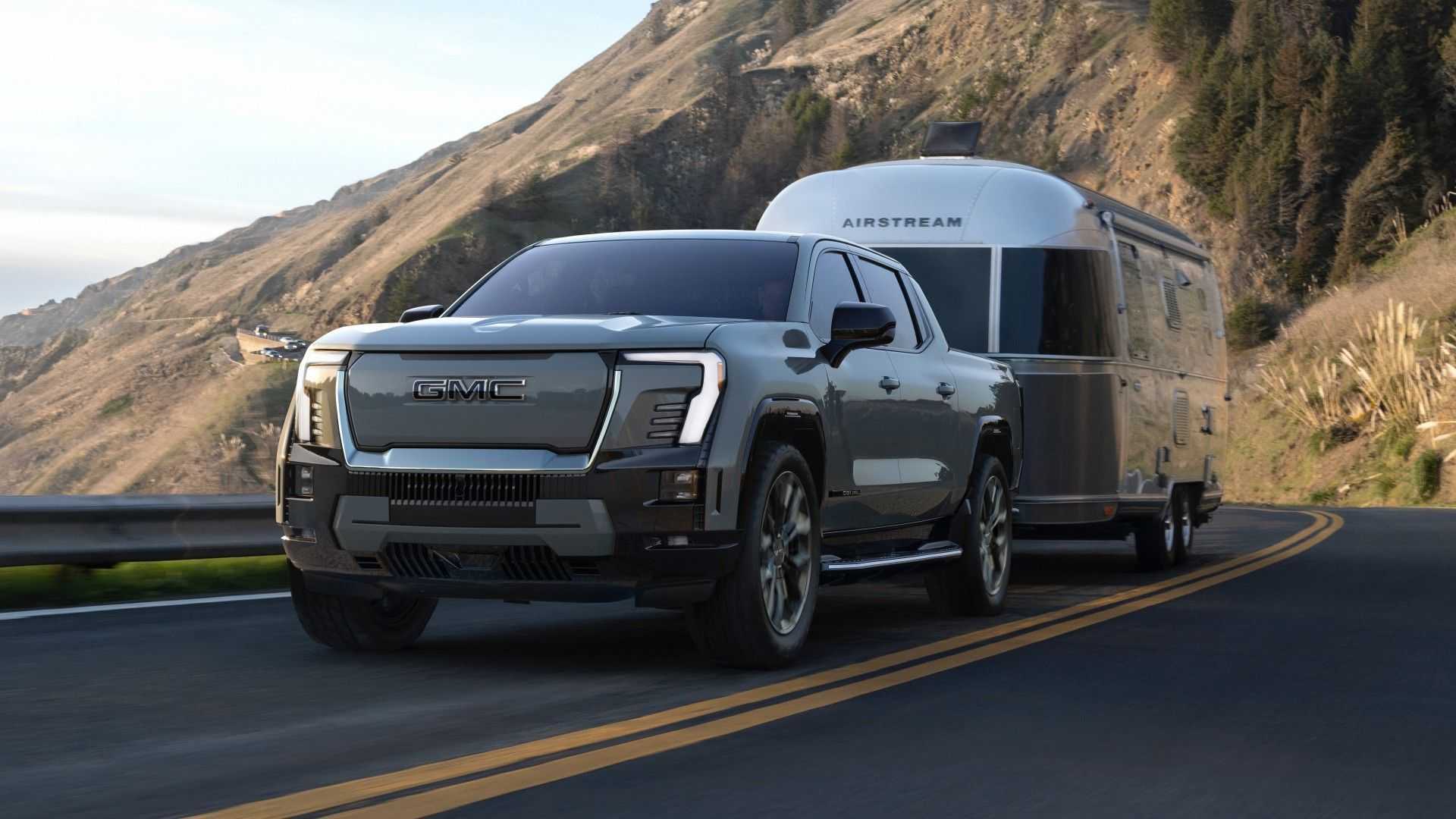
This means that EV owners can still easily access fast charging options if they are unable to charge at their campsite.
As Memorial Day weekend approaches and camping season kicks off, the information provided by Camp and Charge becomes increasingly valuable for EV drivers. Knowing in advance whether a campsite allows EV charging can save drivers from potential fines and inconvenience. With the growing popularity of electric vehicles and the increasing number of EV owners hitting the road for camping trips, having access to this data can make planning a trip much smoother.
The team behind Camp and Charge is dedicated to continuing their efforts in collecting and updating information on campsite EV charging policies. As more campsites are reviewed and added to their database, EV owners will have an even better resource to rely on when planning their camping adventures.
With nearly 40% of campsites in North America forbidding EV charging, the work being done by Camp and Charge is crucial for the EV camping community. By providing transparency and clarity on which campsites allow EV charging, this crowdsourced database is making life easier for EV drivers who want to enjoy the great outdoors without worrying about where they can charge their vehicles. For electric vehicle (EV) owners who enjoy camping, finding campsites that offer EV charging capabilities can be a game-changer. Camp and Charge, a platform that maps out campsites with EV charging options, has provided a valuable resource for those looking to combine their love for the outdoors with sustainable transportation. However, while the availability of these campsites is a step in the right direction, there are still some challenges that need to be addressed.
One of the main issues facing EV owners who want to camp and charge their vehicles is the lack of proximity to public charging infrastructure. According to Camp and Charge, campsites that offer EV charging are often located farther away from DC fast chargers, which are essential for quickly replenishing an EV’s battery. On average, the closest DC fast charger to these campsites is 16 miles away, making it inconvenient for EV owners who rely on fast charging to refuel their vehicles.
Furthermore, Camp and Charge only includes campsites that have a published EV policy in its dataset. This means that there may be campsites that offer EV charging capabilities but are not included in the platform’s database. As a result, EV owners may miss out on potential camping spots that could meet their charging needs.
Despite these challenges, the presence of campsites with EV charging options is a positive development for the EV community. It opens up new opportunities for EV owners to explore remote destinations and enjoy the great outdoors without having to worry about running out of battery power. As the popularity of EVs continues to grow, it is important for campsites to expand their charging infrastructure and make it more accessible to EV owners.
In conclusion, while campsites with EV charging capabilities are a step in the right direction, there is still work to be done to ensure that EV owners have convenient access to charging options while camping. By addressing the challenges of proximity to public charging infrastructure and expanding the availability of charging options at campsites, we can create a more seamless experience for EV owners who want to enjoy nature while driving sustainably.