
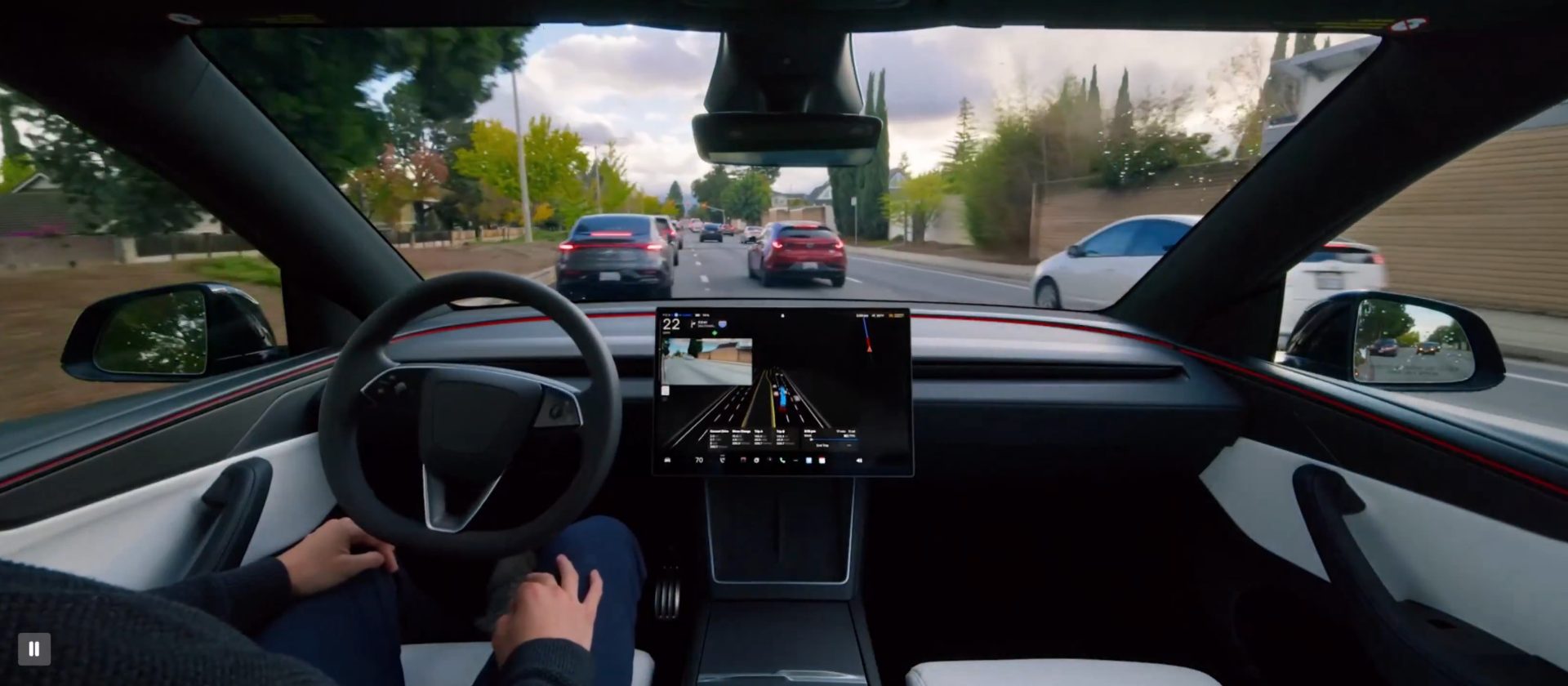
Tesla’s Full Self-Driving (Supervised) technology is making its debut on the roads of Abu Dhabi, marking the first live trials of the software in the United Arab Emirates. The Integrated Transport Centre, also known as Abu Dhabi Mobility, is overseeing the trials with support from the Smart and Autonomous Systems Council. This initiative is part of a broader push to test the operational readiness of Tesla’s advanced driver-assistance system before considering a wider expansion in the region.
The trials are being conducted within approved regulatory frameworks and in coordination with the Legislation Lab at the General Secretariat of the UAE Cabinet. While the system is labeled as autonomous, active driver supervision is required at all times to ensure safety standards are met on public roads. The data collected during this period will help local authorities verify how the software handles the specific road conditions and environment of the Emirate, highlighting Abu Dhabi’s commitment to leading in future mobility solutions and integrating innovative technology into its transport network.
Tesla’s presence in Abu Dhabi reached a significant milestone in 2019 with the opening of its first service center and a large retail store in the capital. Elon Musk has made multiple visits to the UAE to discuss future technology, notably headlining the World Government Summit in Dubai where he delved into the intersection of AI and sustainable transport.
In related news, Canadian Tesla owners can now sign up for the WattsApp charging rewards program, which turns home charging sessions into financial rewards. The Toronto-based platform has moved into full operation with a streamlined payout system that offers direct cash rewards instead of gift cards. Additionally, Tesla has rolled out its advanced AI assistant, Grok, to vehicles in Australia and New Zealand, providing a significant upgrade for local Tesla owners. This feature arrived through an over-the-air software update, bringing advanced AI capabilities to Tesla vehicles in the region.
Finally, Tesla is taking legal action against California’s Department of Motor Vehicles (DMV) to overturn a “false advertising” ruling on its Autopilot driver-assistance software. The lawsuit, filed on February 13, aims to reverse a state ruling that found Tesla misled consumers by exaggerating the capabilities of its driver-assistance software. Tesla is actively challenging the ruling to clear its corporate record and defend the capabilities of its Autopilot system.
These developments showcase Tesla’s ongoing commitment to innovation, safety, and advancing the capabilities of electric vehicles and autonomous driving technology in various regions around the world.