
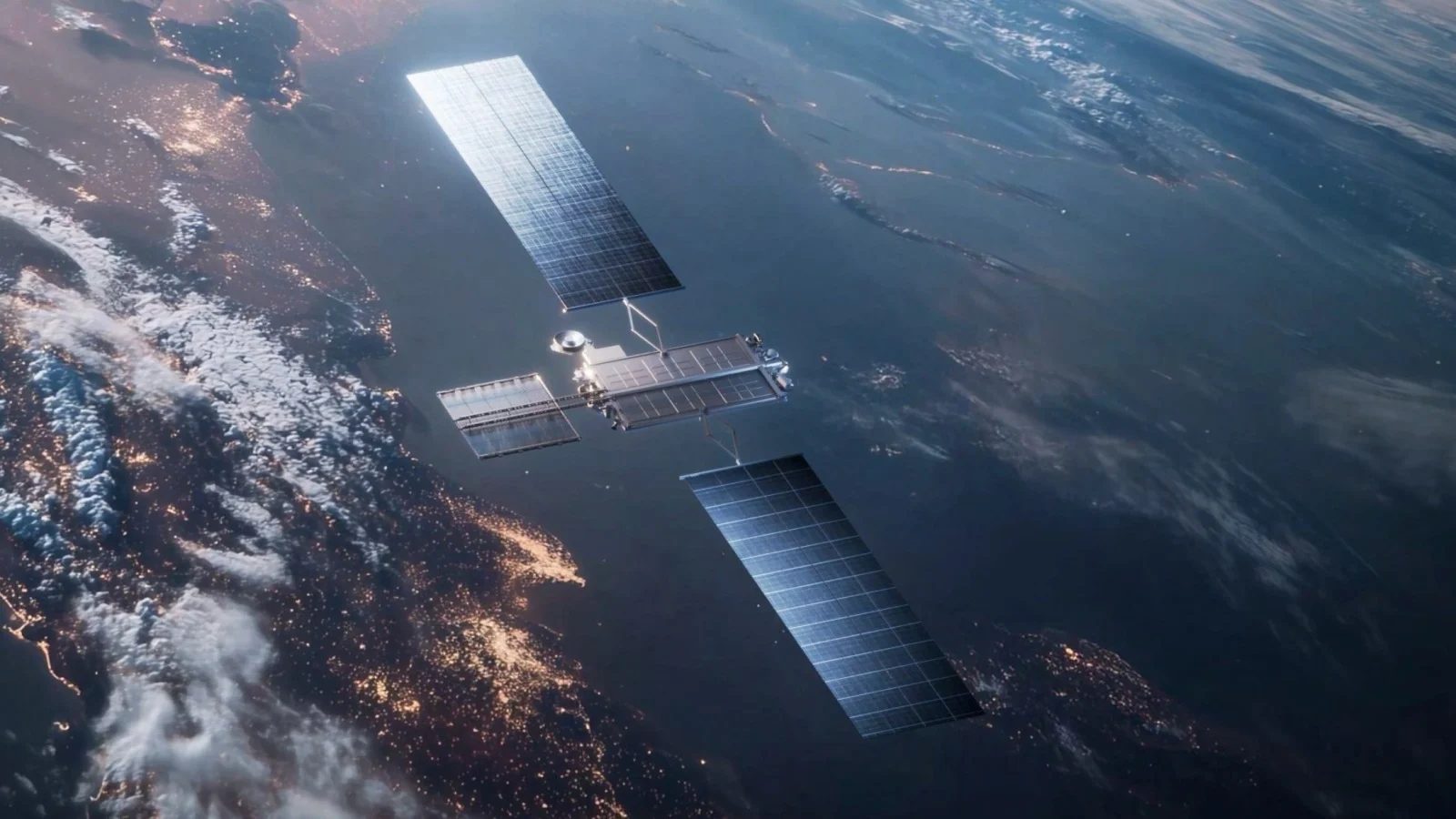
SpaceX’s groundbreaking proposal to launch a massive satellite system into non-geostationary orbit has taken a significant step forward with the U.S. Federal Communications Commission (FCC) officially accepting their application. This move initiates a public comment period on the proposal, which could see up to one million satellites deployed in space. The project, known as an “Orbital Data Center” network, aims to revolutionize computing power by operating hundreds to thousands of kilometers above Earth.
FCC Chairman Brendan Carr acknowledged the significance of SpaceX’s proposal, highlighting the potential for the system to advance civilization to a Kardashev II-level and serve various purposes as outlined by the applicant. SpaceX is seeking authorization to operate satellites at altitudes ranging from 500 km to 2,000 km, utilizing sun-synchronous and inclined orbits. The satellites will leverage high-bandwidth optical inter-satellite links to facilitate data transfer between satellites before routing it back to Earth through authorized ground stations. SpaceX has also requested regulatory waivers to expedite the system, including exemptions from specific NGSO deployment milestones and surety bond requirements.
This development comes on the heels of SpaceX’s recent request for FCC approval to deploy over a million AI-focused satellites in orbit, signaling a move towards transforming space into a distributed supercomputing platform. Notably, SpaceX recently completed the acquisition of Elon Musk’s AI startup xAI, bolstering the company’s artificial intelligence capabilities necessary for large-scale orbital computing.
The timing of these initiatives aligns with SpaceX’s exploration of a potential IPO in the future, as Musk’s companies increasingly focus on AI and space technologies. Musk has indicated that Tesla’s next-generation AI chips are designed with in-orbit workloads in mind, underscoring the growing importance of space-based computing in his overarching strategy.
As the FCC invites public input on SpaceX’s proposal, comments are due in early March. The fate of SpaceX’s ambitious satellite constellation remains uncertain, but the regulatory process is officially underway, paving the way for a potential revolution in space-based computing.