
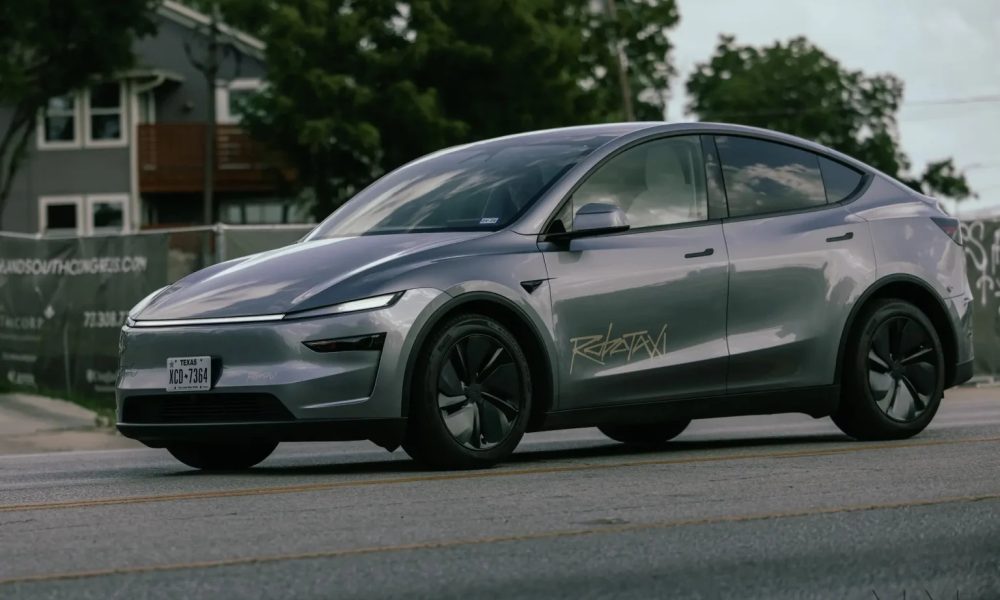
Tesla has recently introduced a new configuration of the Model Y in the United States, aiming to provide a more affordable option for those in need of an All-Wheel-Drive vehicle. This move, however, has left some Tesla fans and potential buyers feeling somewhat disappointed as they had been hoping for a larger, full-size SUV from the company.
CEO Elon Musk has hinted at the possibility of a Model Y L, a longer wheelbase version of the vehicle, entering the U.S. market later this year. However, Tesla seems to be more focused on developing vehicles and trim levels that align with its future plans for a Robotaxi ride-hailing service and a fully autonomous driving experience.
The lack of a larger SUV option in Tesla’s lineup may be seen as a missed opportunity, especially in a market where SUVs are highly popular, particularly among families. While other car manufacturers offer full-size SUVs, many customers are drawn to Tesla for its advanced self-driving technology, extensive charging infrastructure, and impressive software capabilities.
Despite minor expansions to the Model Y lineup, the issue of limited space for larger families remains unaddressed. The discontinuation of the Model X, Tesla’s largest offering, has left a gap that could potentially be filled by the introduction of the Model Y L in the U.S. However, the company’s focus on autonomy and efficiency may hinder the development of a new full-size SUV.
Expanding the Model Y lineup with additional configurations may not necessarily result in increased sales, especially if the core demand for more space and versatility is not met. Tesla risks facing the Osborne Effect, where current models may lose appeal without attracting new customers who require larger, more spacious vehicles.
While the Model Y L is already being produced in China, it would make sense for Tesla to consider manufacturing a similar line in Texas to cater to the demands of the U.S. market. Whether it’s introducing the Model Y L or designing a new full-size SUV, listening to consumer needs and preferences is crucial for Tesla’s continued success in the highly competitive SUV segment.