
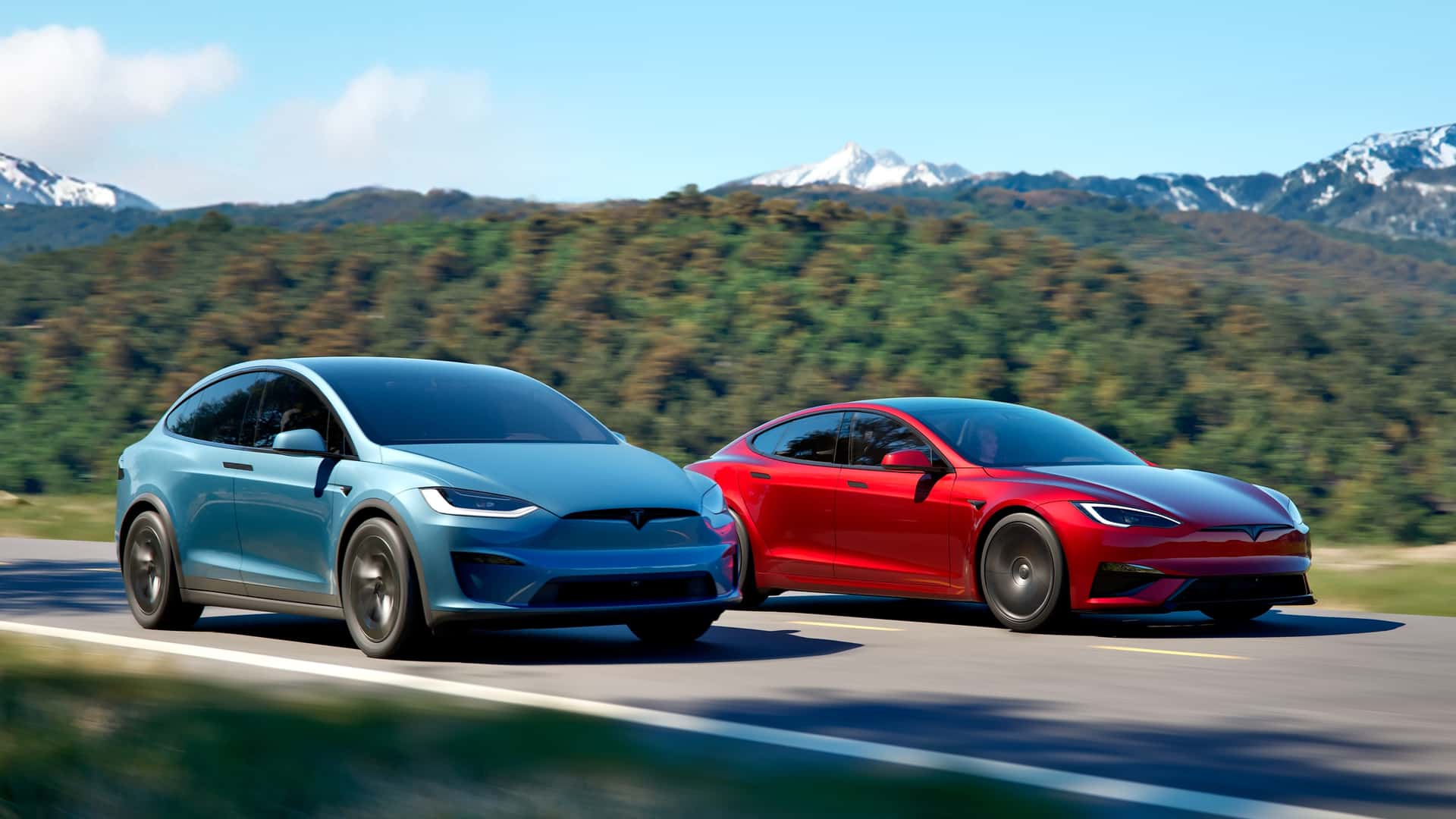
Tesla’s decision to discontinue the Model S and Model X is part of a larger shift towards autonomy and robotics. CEO Elon Musk announced that the production space at the Fremont factory will be repurposed to produce Optimus humanoid robots, with the goal of churning out 1 million robots annually.
The Model S, Tesla’s flagship sedan, was a game-changer in the electric vehicle market when it was first launched in 2012. It was Tesla’s first mass-produced vehicle following the Roadster, and it helped establish long-range electric cars as desirable options. The Model X, a three-row SUV with gull-wing doors, followed in 2015.
However, the Model S and Model X have seen a decline in sales in recent years, making up a smaller portion of Tesla’s overall sales. The decision to discontinue these models aligns with Tesla’s focus on more affordable electric vehicles and its transition towards autonomy and robotics.
While Musk described the decision as “sad,” he emphasized that it is necessary for Tesla to adapt to the changing landscape of the automotive industry. With advancements in autonomous technology and a shift towards electric vehicles, Tesla is positioning itself for future success in the rapidly evolving market.
Overall, the discontinuation of the Model S and Model X marks the end of an era for two of Tesla’s longest-running electric vehicles. As the company looks towards the future, it will be interesting to see how its focus on autonomy and robotics continues to shape the automotive industry. Tesla’s decision to lump the Cybertruck in with their “Other models” category in delivery announcements may have raised some eyebrows, but it is clear that the mass-market Model 3 and Model Y are the driving force behind the company’s success. With a combined 1.6 million deliveries in 2025, these two models are undeniably Tesla’s bread and butter.
In comparison, sales of “other models” only totaled 50,850 units. This includes vehicles such as the Model S and Model X, which have been struggling in certain markets. In fact, Tesla has confirmed that the Model S and Model X will no longer be produced, marking the end of an era for these luxury vehicles.
Despite the discontinuation of the Model S and Model X, Tesla has ambitious plans to fill the gap with new vehicles. The company has reaffirmed their commitment to releasing the Cybercab, Semi truck, and Roadster supercar, all of which have been highly anticipated for years. These new vehicles represent Tesla’s continued innovation and push towards a more sustainable future.
It is worth noting that Tesla had targeted production of 500,000 units per year in the former Model S/X facility, showcasing their commitment to ramping up production of their new models. With these new vehicles on the horizon, Tesla is poised to maintain its position as a leader in the electric vehicle market.
Overall, while the Model S and Model X may be on their way out, Tesla’s future looks bright with a lineup of exciting new vehicles set to hit the market. As the company continues to push the boundaries of electric vehicle technology, the possibilities for the future of transportation are truly endless.