
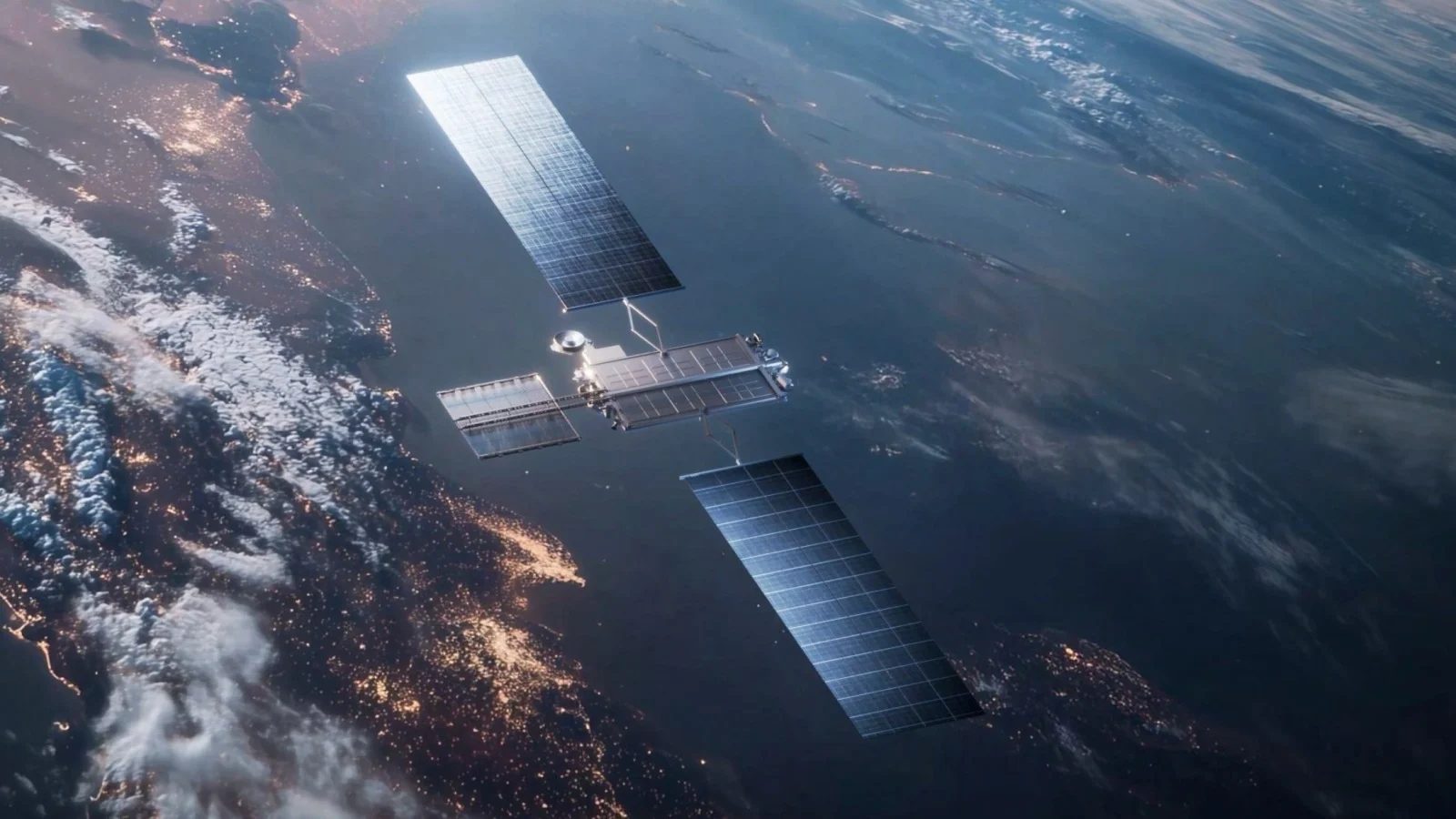
SpaceX is aiming for the stars with its ambitious plans for an “Orbital Data Center system,” which could potentially house up to one million satellites in space. The company recently filed a request with the U.S. Federal Communications Commission outlining its vision for a space-based computing network that would revolutionize the way we think about data processing.
According to a report by PCMag, SpaceX envisions deploying satellites at altitudes ranging from 500 to 2,000 kilometers above Earth, organized in narrow orbital shells to minimize interference with other systems. These satellites would not only provide connectivity but also serve as solar-powered data centers capable of running large-scale AI operations and supporting advanced artificial intelligence applications for billions of users.
To put this into perspective, SpaceX’s existing Starlink satellite network already boasts over 9,600 satellites in orbit, setting a new industry standard for satellite constellations. The proposed Orbital Data Center system would vastly exceed this number, offering a more energy-efficient solution to the growing demands of AI by leveraging space-based infrastructure.
The integration of this new system with Starlink is a key aspect of SpaceX’s strategy. The orbital data center satellites would rely on high-bandwidth optical links, leveraging Starlink’s mesh network to transmit data to Earth-based stations. SpaceX is banking on its Starship spacecraft to enable this vision, thanks to its capacity to deliver heavy payloads to orbit at a lower cost.
This ambitious plan coincides with reports of SpaceX’s impending initial public offering (IPO), with major banks reportedly preparing to underwrite the offering. Elon Musk, SpaceX’s CEO, has hinted at the convergence of his various companies’ technologies, such as Tesla’s development of AI chips for in-orbit computing. The synergy between SpaceX, Tesla, and other Musk ventures could pave the way for groundbreaking advancements in space-based technology.
However, the proposal to launch one million satellites is likely to face intense regulatory scrutiny, given the unprecedented scale of the project. Even recent approvals for Starlink’s next-generation constellation came with limitations. Nevertheless, SpaceX’s filing underscores its ambition to not only connect the world but also to shift a significant portion of the AI economy into space.
In conclusion, SpaceX’s vision for an Orbital Data Center system represents a bold leap forward in space-based computing. By harnessing the power of satellites for data processing and AI applications, SpaceX is setting the stage for a new era of innovation and connectivity in space.