
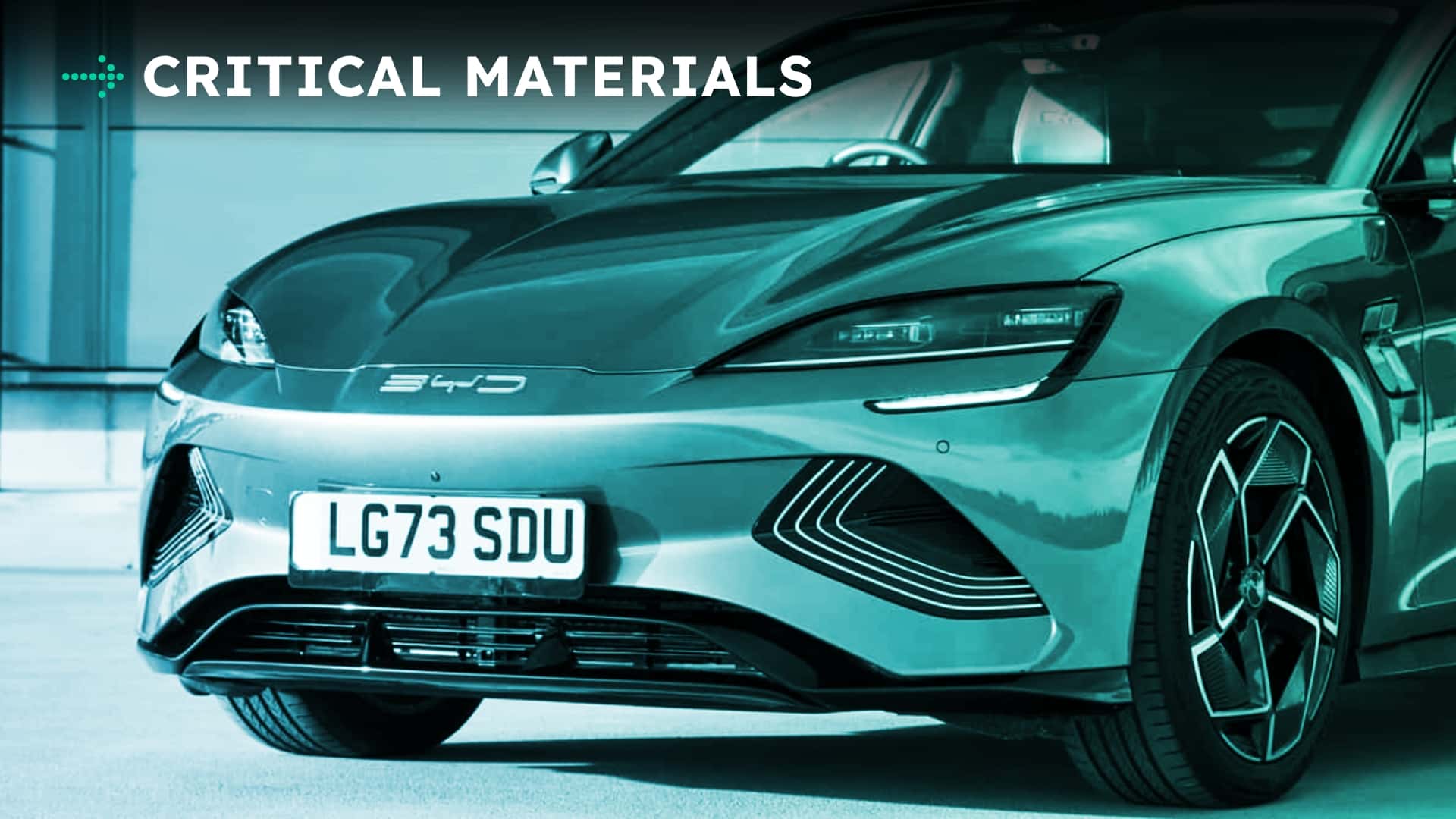
After Canada recently lowered its tariffs on Chinese electric vehicle (EV) imports, it is expected that affordable and high-tech Chinese EVs will soon make their way into the U.S. market. Chinese automakers have already made a mark in Mexico, where their EVs are quite popular. With Canada now opening its doors to Chinese EV imports by reducing tariffs, these vehicles will soon be available just six hours north of New York City.
Experts believe that the U.S. won’t be able to keep Chinese automakers at bay for long. The U.S. currently imposes steep tariffs on Chinese imports, making it difficult for Chinese automakers to enter the American market. However, with both Mexico and Canada embracing Chinese EVs, it is only a matter of time before they make their way into the U.S.
Chinese automakers such as BYD, Geely, and SAIC are already expanding aggressively overseas, particularly in Europe, Latin America, and Southeast Asia. The U.S. market, being one of the largest and most profitable in the world, presents a lucrative opportunity for these automakers. If they are allowed to sell their EVs in the U.S., it could potentially change the American auto landscape, similar to how Japanese, Korean, and German automakers did in the past.
President Trump has also shown openness to Chinese automakers entering the U.S. market. At a Detroit Economic Club meeting, he expressed his support for Chinese automakers setting up manufacturing plants and creating jobs in the U.S. Some Chinese automakers, like Geely Group, have already announced their intentions to enter the U.S. market in the next few years.
However, entering the U.S. market will not be an easy task for Chinese automakers. They will need to establish local manufacturing facilities, build a domestic supply chain, comply with strict U.S. regulations, and compete on a level playing field with American automakers. This means that they will have to invest significantly in infrastructure and technology to meet the standards set by the U.S. market.
American automakers, on the other hand, should not underestimate the competition from Chinese EVs. With the global shift towards electric vehicles and the advancements made by Chinese automakers in this space, they could pose a significant challenge to traditional automakers in the U.S. It will be interesting to see how the entry of Chinese EVs into the U.S. market will shape the future of the automotive industry. The recent incident involving a Waymo robotaxi striking a child in Santa Monica has brought to light the potential dangers of autonomous vehicles. The National Highway Traffic Safety Administration (NHTSA) reported that the accident occurred near an elementary school during school drop-off hours. The child ran across the street from behind a parked SUV and was hit by the Waymo AV. While Waymo claims that its vehicle braked hard and reduced its speed significantly before the collision, incidents like these raise concerns about the safety of autonomous vehicles.
As the technology for autonomous vehicles continues to advance, the likelihood of such incidents occurring may increase. Companies like Waymo and GM have faced backlash in the past for accidents involving their autonomous vehicles. The stakes are high for robotaxi companies, and any errors can have serious consequences. Waymo is currently cooperating with the NHTSA’s investigation into the incident, but the outcome remains uncertain.
In response to the growing demand for autonomous vehicles, Mercedes-Benz has announced plans to deploy driverless S-Class sedans in various regions, including the Americas. The German automaker is partnering with industry leaders such as Nvidia, Uber, Momenta, and Lumo to bring this project to fruition. By leveraging advanced hardware and software technologies, Mercedes-Benz aims to revolutionize the robotaxi industry and provide a safe and efficient transportation option for consumers.
With the rise of high-tech Chinese EVs making waves in the global market, traditional automakers are facing increasing competition. Companies like Mercedes-Benz will need to continue innovating and developing more competitive EVs to protect their market share. By collaborating with industry partners and investing in cutting-edge technologies, automakers can stay ahead of the curve and meet the evolving demands of consumers. Failure to do so may result in losing ground to Chinese EV manufacturers who are already dominating the market. It’s crucial for automakers to adapt to the changing landscape of the automotive industry and embrace new technologies to remain competitive in the evolving market. The future of transportation is rapidly evolving, with autonomous vehicles (AVs) becoming more prevalent on the roads. In some markets, Waymo vehicles are exclusively available on the Uber app, giving users access to cutting-edge technology that promises to revolutionize the way we travel.
This partnership between Waymo and Uber signifies a major step forward in the development of self-driving technology. By integrating Waymo’s advanced autonomous vehicles into the Uber app, users can now experience the convenience and safety of driverless transportation. This collaboration not only benefits consumers but also demonstrates the potential for AVs to reshape the ride-hailing industry.
In addition to the Waymo partnership, Uber has also recently partnered with Waabi, a company specializing in AV software for trucks. This collaboration further solidifies Uber’s commitment to advancing autonomous technology and expanding its robotaxi fleet. As the competition in the robotaxi market heats up, Uber is strategically positioning itself to emerge as a leader in this emerging sector.
One of the key questions facing the AV industry is whether these vehicles should be electric. While nearly all robotaxis are currently electric, Mercedes is looking to challenge this trend with the introduction of the S Class. This move raises important considerations about the environmental impact of AVs and the potential benefits of transitioning to electric vehicles. As the industry continues to evolve, companies like Uber and Waymo will need to navigate these complex issues to ensure the sustainability of autonomous transportation.
Overall, the exclusive availability of Waymo vehicles on the Uber app represents a significant milestone in the development of autonomous technology. With partnerships with companies like Waabi and a focus on innovation, Uber is well-positioned to lead the way in the robotaxi market. As AVs become more prevalent on the roads, it will be interesting to see how these advancements shape the future of transportation and mobility.