
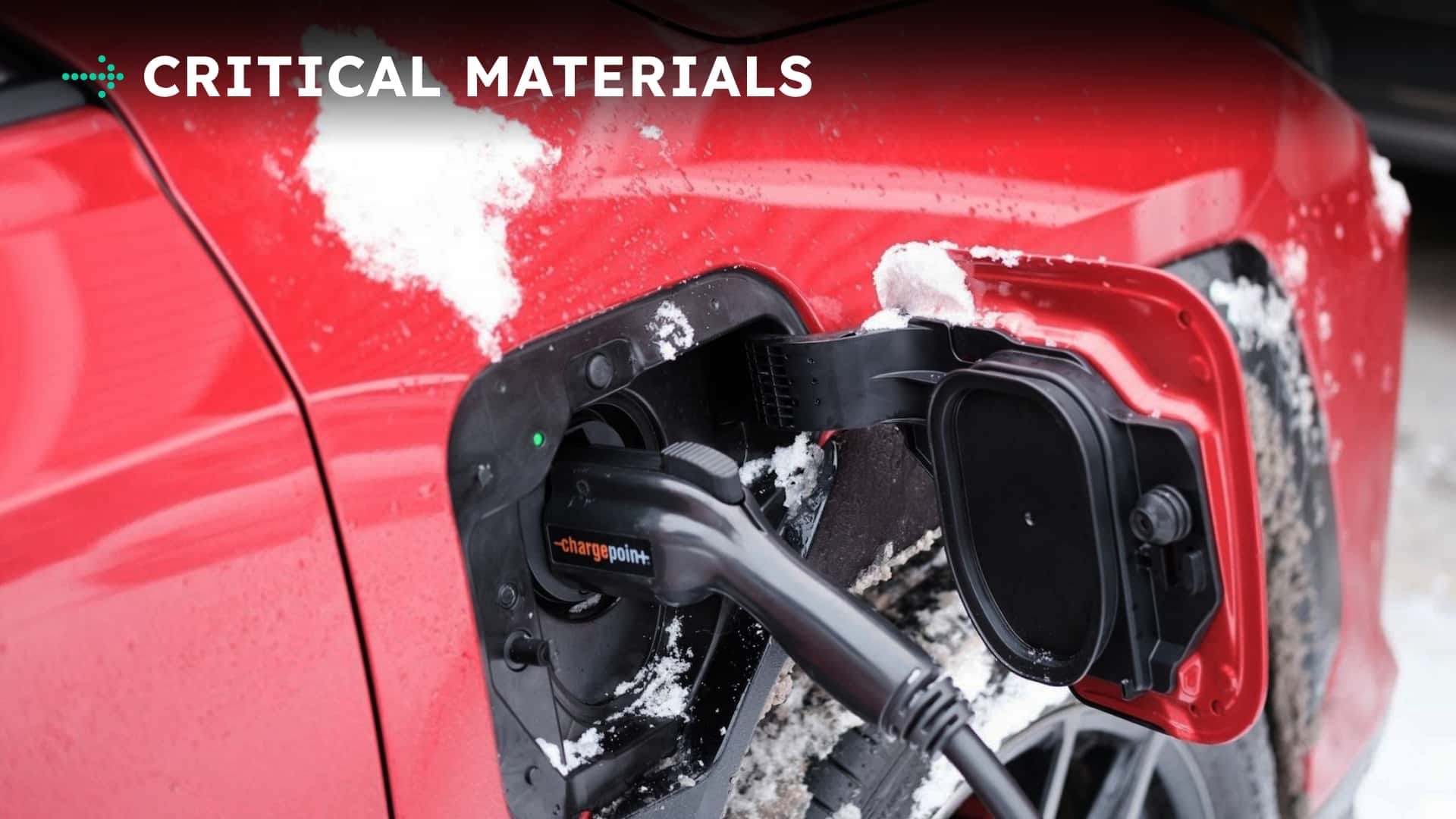
The debate between electric vehicles (EVs) and hybrids has been ongoing for years, with many advocates pushing for a swift transition to all-zero emissions vehicles. While some argue that hybrids may prolong our reliance on fossil fuels, others see them as a stepping stone towards a greener future. Personally, I believe that any step towards reducing gas consumption and emissions is a positive one, even if it means owning a plug-in hybrid electric vehicle (PHEV).
However, the landscape for PHEVs may be changing as the EV industry evolves and regulations shift. While PHEVs offer a balance of electric and gas-powered driving, studies have shown that many drivers do not take full advantage of the electric range, negating the environmental benefits.
In the United States, EV tax credits have disappeared, impacting not only pure electric vehicles but also PHEVs. Additionally, stricter fuel economy regulations have pushed automakers to prioritize more efficient and electrified vehicles. With the rise of modern EVs boasting ranges of over 300 miles, the case for PHEVs is being called into question.
Automakers and analysts are now questioning the relevance of PHEVs in today’s market. Some are turning to traditional hybrids without a plug or extended-range electric vehicles as alternatives. Plug-in hybrids accounted for less than 2% of the new-vehicle market last year, indicating a lack of consumer interest.
While PHEVs have been used by automakers to comply with emissions regulations, the diminishing demand and lack of incentives are causing some manufacturers to reconsider their investment in this technology. Without regulatory pressure and financial incentives, the future of PHEVs appears uncertain.
In conclusion, the automotive industry is at a crossroads, with the future of PHEVs hanging in the balance. As consumers become more educated about electric vehicles and as regulations continue to evolve, the fate of PHEVs remains uncertain. It will be interesting to see how automakers adapt to these changing dynamics and whether PHEVs will continue to have a place in the market. The automotive industry is currently facing a significant shift towards electric vehicles (EVs) as a long-term mobility solution. With the rise of EVs, automakers are reevaluating their plans for plug-in hybrid electric vehicles (PHEVs). While some automakers are abandoning their PHEV plans, others are studying the matter and planning to release PHEVs in the future.
Stellantis has decided to discontinue its PHEV plans, while General Motors is taking a more cautious approach and aims to release PHEVs in 2027. On the other hand, companies like Toyota and Volvo are optimistic about the future of PHEVs, especially in markets like Europe and China where they are more popular.
As the industry looks towards the future, extended-range electric vehicles (EREVs) are seen as the next step in electrification. These vehicles feature gas engines as generators to extend their range. However, automakers are facing challenges in addressing user confusion surrounding PHEVs, raising questions about how they will tackle similar issues with EREVs.
In the midst of this transition, Rivian is gearing up to launch its highly anticipated R2 electric SUV. The company recently announced that validation build vehicles, advanced prototypes of the R2, are currently on a road trip along Route 66 for real-world testing. This journey marks an important phase in the development of the R2 as Rivian aims to ensure quality and customer satisfaction.
The Rivian R2 is expected to be a game-changer in the EV market, offering a smaller, more affordable, and more advanced electric SUV compared to its predecessors. With a price tag of $45,000 and a promise of delivering vehicles that exceed customer expectations, Rivian is positioning itself for success in the EV market.
Overall, the automotive industry is at a critical juncture as it navigates the transition towards electric vehicles. While the future of PHEVs remains uncertain, the rise of EVs like the Rivian R2 signals a promising shift towards sustainable and innovative mobility solutions.
With Tesla shifting its focus away from electric vehicles to concentrate on Robotaxis and robotics, Rivian is looking to fill the gap in the EV market with its R2 electric vehicle. Rivian, a newcomer in the EV industry, has been gaining attention for its innovative designs and technology.
The R2 is Rivian’s latest offering in the electric vehicle segment, boasting impressive range, performance, and features. With Tesla losing interest in the EV field, Rivian sees an opportunity to establish itself as a leading player in the market. The company is betting on the R2 to attract customers looking for an alternative to Tesla’s offerings.
Rivian’s strategy to capitalize on Tesla’s shift in focus seems to be paying off, as the R2 has been receiving positive reviews from both critics and customers. The electric vehicle market is becoming increasingly competitive, and Rivian is positioning itself as a strong contender with the R2.
While Tesla’s move towards Robotaxis and robotics may be a game-changer in the industry, Rivian is confident that there is still a demand for electric vehicles. The R2 aims to cater to customers who prioritize sustainability, performance, and innovation in their vehicles.
As Tesla navigates its new direction, Rivian is ready to step up and fill the void in the EV market. The R2 represents a promising future for Rivian and its ambitions to become a major player in the electric vehicle industry.
With Tesla’s attention shifting elsewhere, Rivian sees an opportunity to shine with the R2 and make a mark in the EV market. Only time will tell how successful Rivian’s strategy will be, but for now, the R2 is generating excitement and anticipation among electric vehicle enthusiasts.
Recently, there has been a surge in interest in sustainable living and eco-friendly practices. This trend is not only seen in the way people are choosing to live their lives, but also in the way businesses are operating. Companies are increasingly being held accountable for their environmental impact and are being pushed to adopt sustainable practices in order to reduce their carbon footprint.
One of the key areas where businesses can make a significant impact is in their supply chain management. Supply chains are the networks of people, organizations, activities, information, and resources involved in moving a product or service from supplier to customer. These networks can be complex and can span across multiple countries and continents, making them a significant source of environmental impact.
One way that businesses are addressing this issue is by implementing sustainable supply chain practices. This involves looking at every step of the supply chain process and identifying areas where improvements can be made to reduce environmental impact. This can include sourcing materials from sustainable suppliers, reducing waste and emissions in transportation, and implementing energy-efficient practices in production facilities.
Some companies are even going a step further and working with their suppliers to help them adopt sustainable practices as well. This can involve providing training and resources to help suppliers reduce their own carbon footprint and improve their environmental practices. By working together, businesses can create a more sustainable supply chain that benefits both the environment and the bottom line.
In addition to the environmental benefits, adopting sustainable supply chain practices can also have positive social and economic impacts. By working with suppliers to improve their practices, companies can help create a more sustainable and equitable supply chain that benefits workers and communities. This can lead to improved working conditions, fair wages, and economic opportunities for those involved in the supply chain.
Overall, sustainable supply chain management is an important way for businesses to reduce their environmental impact and create a more sustainable future. By working together with suppliers and stakeholders, companies can make a real difference in the fight against climate change and create a more sustainable world for future generations.