
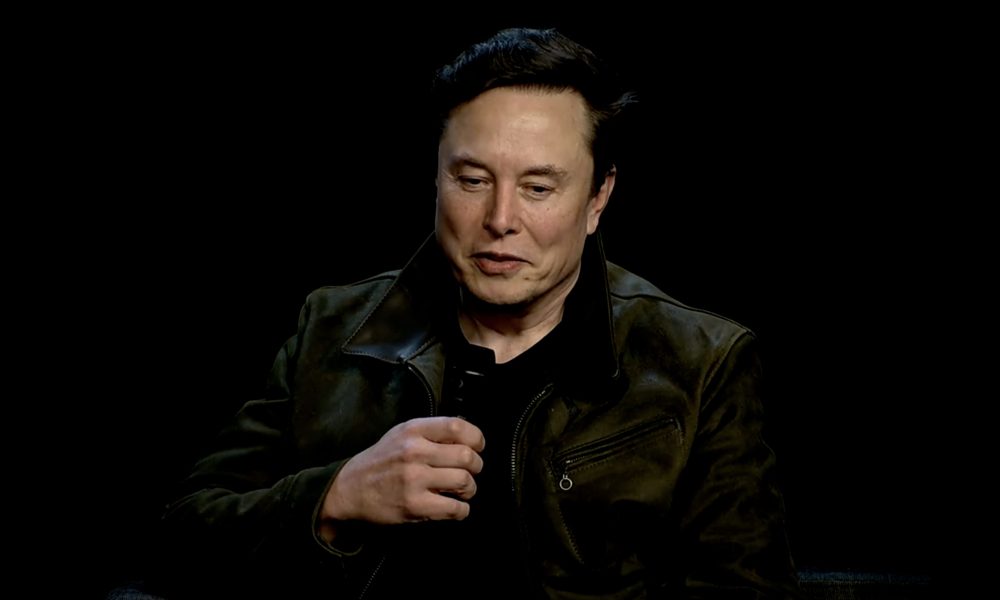
Elon Musk recently shared an exciting detail about the potential efficiency of the Tesla Cybercab, hinting that it could be one of the most cost-effective vehicles to operate on a per-mile basis. This revelation comes as no surprise, as Tesla has been focusing on creating a vehicle that is not only environmentally friendly but also economically viable.
ARK Invest recently released a report that delved into the incremental cost per mile of various Robotaxis that will be hitting the market in the near future. The report highlighted the Cybercab’s exceptionally low cost of operation, which was initially revealed by Tesla at the “We, Robot” event in Los Angeles a year and a half ago.
According to Musk, Tesla aims to achieve a remarkable $0.20 cents per mile operating cost with the Cybercab. This figure includes all expenses such as energy, maintenance, cleaning, depreciation, and insurance. This ambitious goal is part of Tesla’s larger plan to make transportation more affordable and sustainable for everyone.
ARK’s report compared the Cybercab’s projected cost per mile to that of the Waymo 6th Gen Robotaxi in 2030. The Cybercab is estimated to be roughly half the cost of the Waymo vehicle, coming in at an impressive $0.20 per mile. This significant cost difference could revolutionize the ride-sharing industry and make Tesla’s offering extremely attractive to customers.
The cost savings achieved by Tesla’s engineering innovations will be passed on to customers who choose to utilize the Cybercab for their transportation needs. This will provide a more affordable alternative to traditional vehicle ownership and other ride-sharing services like Uber and Lyft.
Tesla’s focus on efficiency, from achieving high mileage per kilowatt-hour to streamlining the manufacturing process, has been key to driving down operational costs. The company’s commitment to innovation and sustainability is evident in its efforts to make the Cybercab a cost-effective and environmentally friendly transportation option.
While there may be some challenges and growing pains in the early stages of production, Musk remains optimistic about the Cybercab’s potential. He acknowledges that initial production may be slow but expects the process to ramp up quickly as Tesla refines its manufacturing techniques.
In conclusion, the Tesla Cybercab represents a significant step forward in the automotive industry towards a more sustainable and affordable future. With its low operating costs and innovative design, the Cybercab has the potential to revolutionize the way we think about transportation.