
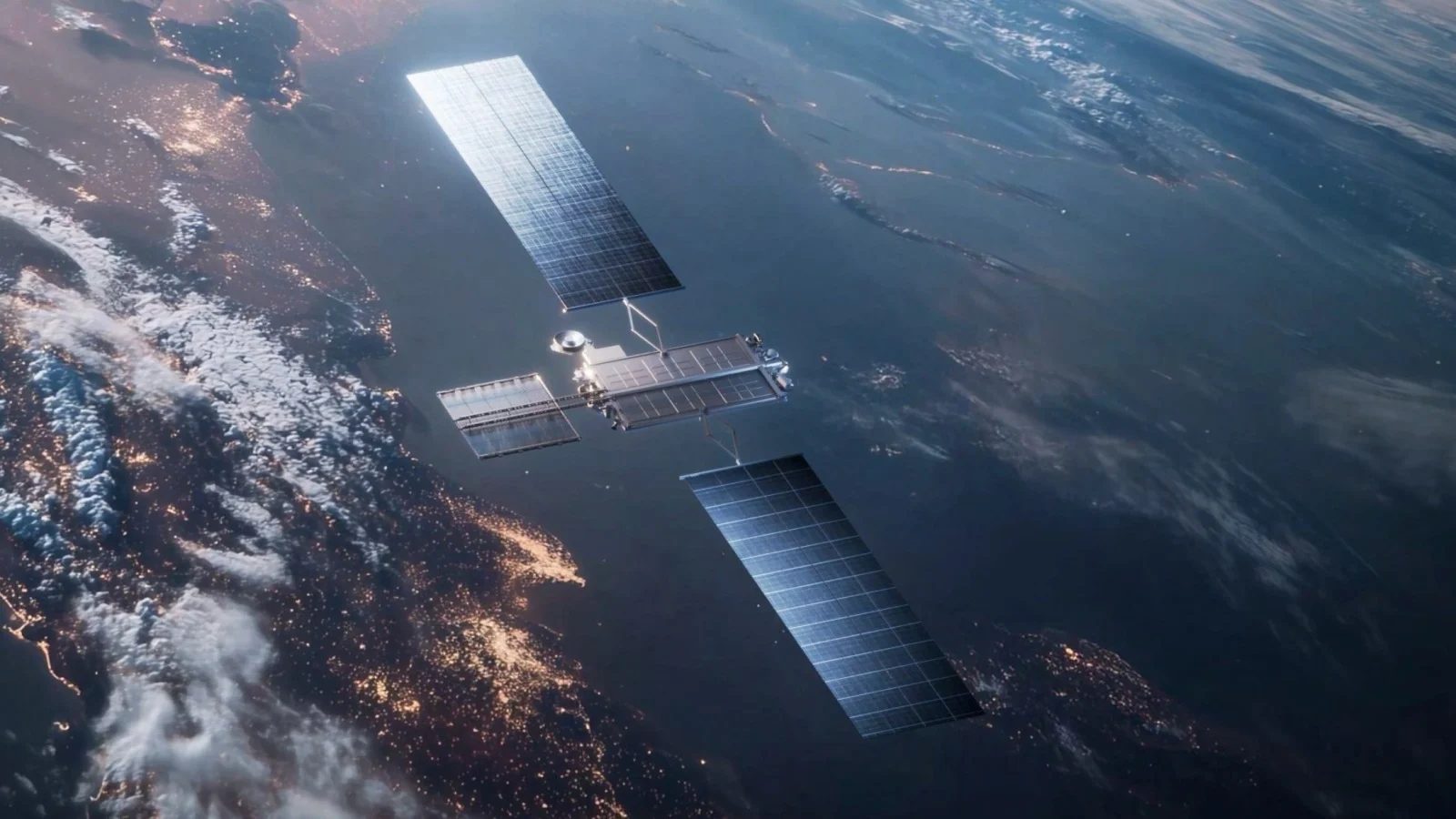
SpaceX’s Starlink satellite constellation is facing a growing challenge in avoiding potential collisions in space. In 2025 alone, Starlink satellites executed around 300,000 collision-avoidance maneuvers, showcasing the increasing congestion in low-Earth orbit and SpaceX’s proactive approach to managing risk as its satellite network expands.
Since its inception in 2019, Starlink has grown to approximately 9,400 active satellites, representing a significant portion of all operational spacecraft currently orbiting Earth. With this scale comes a responsibility to prevent collisions that could lead to dangerous debris and potentially catastrophic chain reactions in space. SpaceX is required by the FCC to provide biannual updates on its collision-avoidance efforts.
The frequency of maneuvers is on the rise, with an average of nearly 40 avoidance actions per satellite in 2025. Experts predict that this number could reach close to one million maneuvers annually by 2027 if Starlink’s growth trajectory continues. SpaceX’s approach to collision avoidance is notably more conservative than industry standards, initiating maneuvers at a risk threshold significantly lower than the norm.
As Starlink expands, with plans to launch up to 15,000 satellites to support cellular connectivity and introduce a second-generation cellular system in 2027, the need for effective collision avoidance measures becomes increasingly critical. SpaceX recently announced plans to lower thousands of Starlink satellites to a lower operational altitude to shorten deorbit timelines in case of satellite failure.
The evolving landscape of space traffic underscores the importance of constant vigilance and proactive measures to ensure the sustainability of Earth’s orbit. As Starlink continues to grow, collision avoidance is no longer an occasional concern but a daily operational reality. Maintaining the usability of Earth’s orbit will require ongoing efforts and a heightened focus on space safety.