
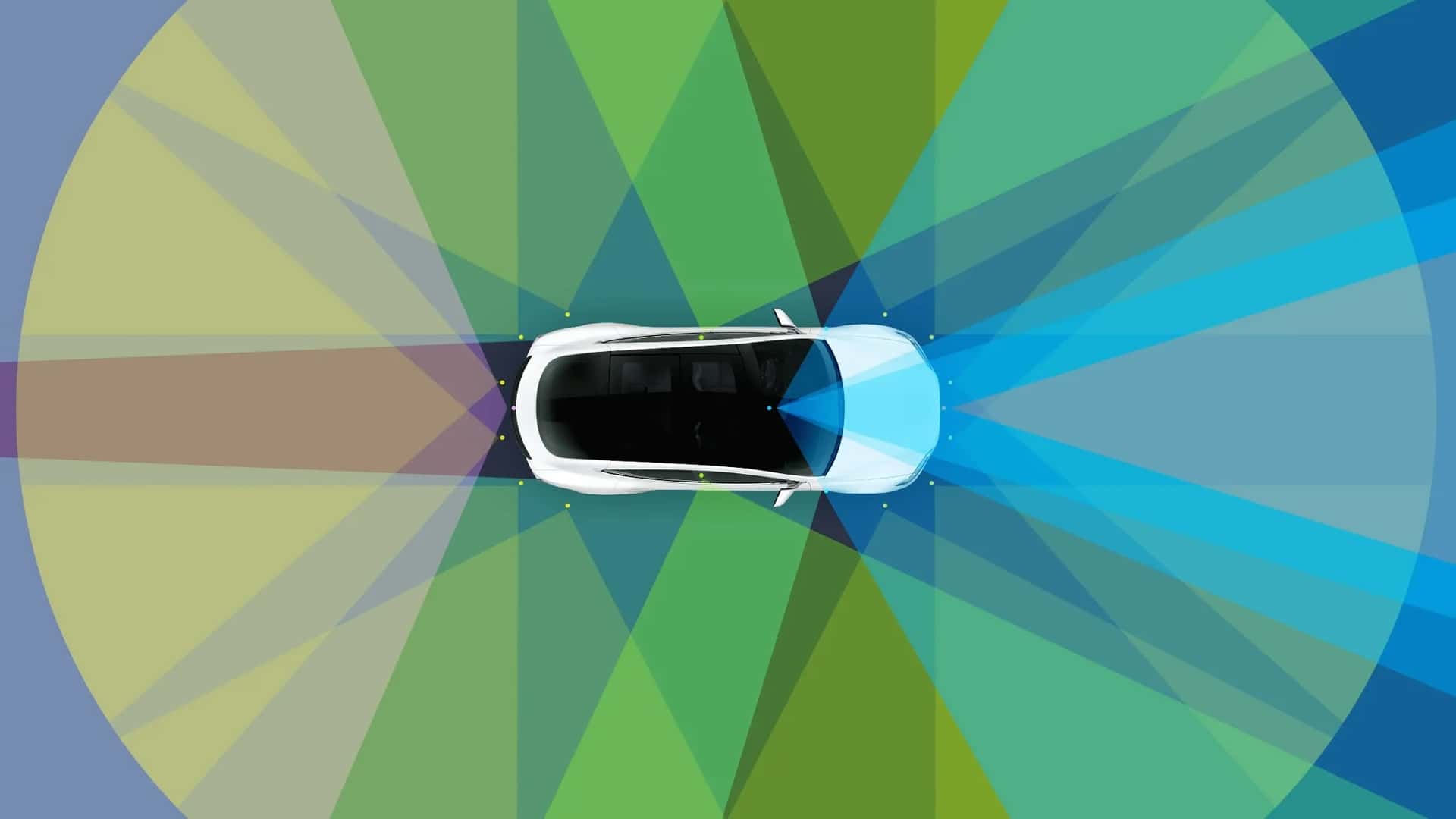
With Autosteer removed, drivers will still be able to use Traffic Aware Cruise Control but will not have the lane centering feature that Autosteer provides. This means that drivers will have to manually steer the vehicle to keep it within the lane, rather than relying on the car to do so automatically.
CEO Elon Musk has hinted that Tesla will eventually increase the cost of Full Self-Driving as the capabilities improve. This move to separate Autosteer from the Autopilot package may be a precursor to this eventual price increase, as Tesla shifts towards a subscription model for its more advanced self-driving features.
As Tesla continues to innovate and improve its self-driving technology, it will be interesting to see how the company’s pricing strategies evolve. Removing Autosteer from the Model 3 and Model Y configurator is just one step in Tesla’s larger plan to make its vehicles more accessible and user-friendly while paving the way for a fully autonomous driving future.
This recent change by Tesla to exclude Autosteer from its vehicles has left many customers scratching their heads. It seems that while Autosteer is still included in the vehicle feature comparison matrix on Tesla’s website for most trims, the final order page for the Model 3 and Model Y only shows Traffic Aware Cruise Control as included with a new vehicle purchase. This means that TACC is still included, but Autosteer is not, harkening back to the days of 2012-era Tesla where drivers had to steer their cars completely on their own.
Tesla CEO Elon Musk hinted at this change in a reply on X, where he mentioned that the cost of Full Self-Driving (FSD) would increase as the capabilities improve. This shift in Autopilot packaging has stirred up some controversy online, with users expressing disappointment and frustration over the decision.
Some speculate that Tesla’s motive behind this move is to increase the take-rate for FSD. By removing certain features from lower trims and bundling them into the FSD package, Tesla may be trying to drive more buyers towards the higher-priced option. This strategy aligns with reports from a YouTuber who attended Tesla’s Model Y Standard launch event, where a Tesla employee hinted at the automaker’s intention to boost FSD sales through package changes.
Others believe that this change could be related to Elon Musk’s $1 trillion CEO Performance Award, which is tied to Tesla reaching 10 million active FSD subscriptions and delivering 20 million vehicles. Achieving these milestones would require a global FSD take-rate of around 50%, prompting speculation that Tesla’s strategy shift may be linked to this ambitious goal.
Regardless of the reasons behind the decision, the exclusion of Autosteer from Tesla’s vehicles has sparked a wave of criticism and concern among customers. As the automotive industry continues to evolve towards autonomous driving technology, Tesla’s choice to move away from lane-centering features puts them at a disadvantage compared to competitors offering similar capabilities in even their base-trim models. It remains to be seen how this move will impact Tesla’s sales and customer satisfaction in the long run.