
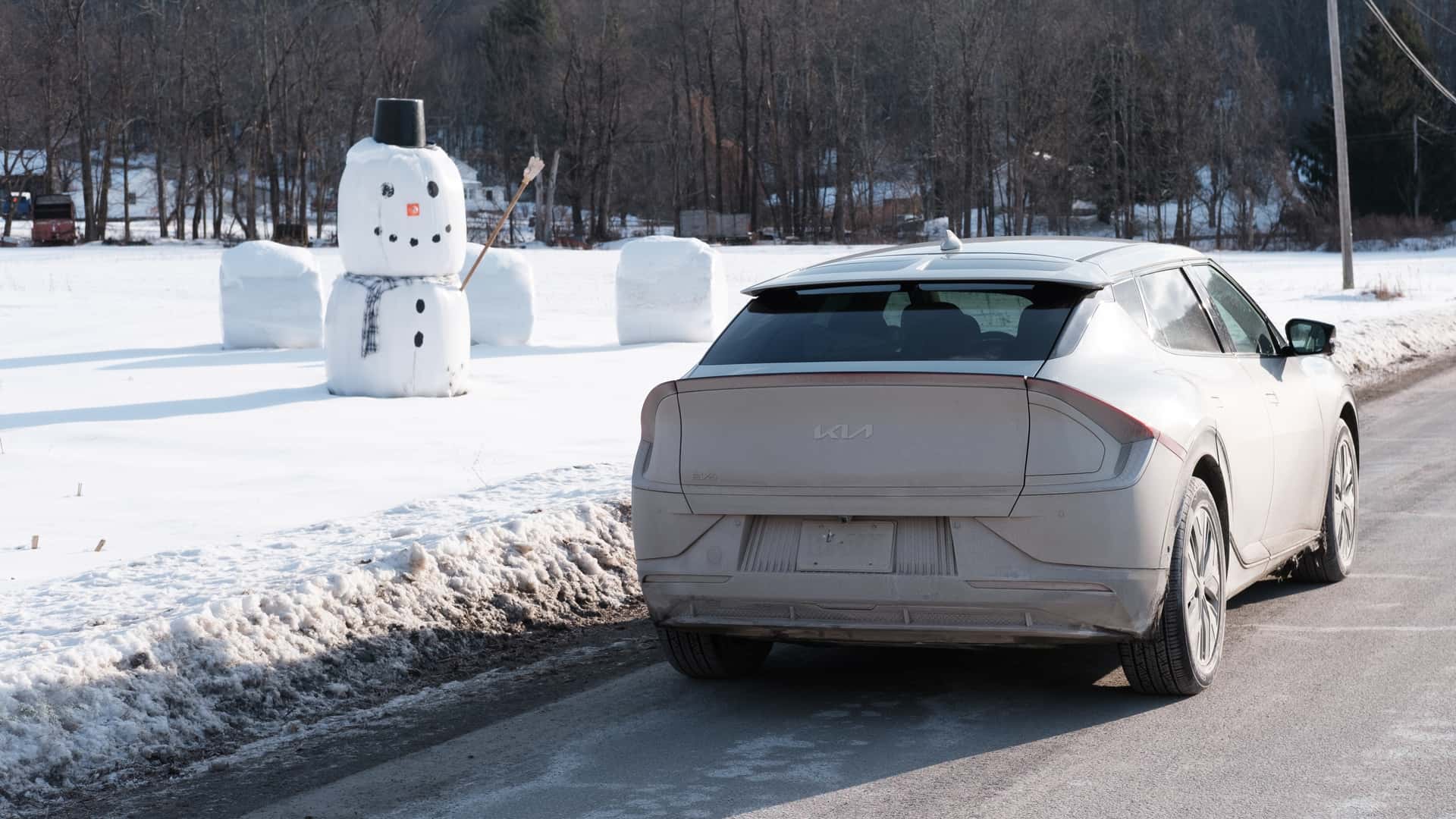
Electric vehicles have become increasingly popular due to their many advantages, such as better performance, zero emissions, and lower maintenance costs. However, when temperatures drop, EVs face unique challenges that can affect their range and charging performance.
One of the main issues EV owners face in cold weather is reduced range. As temperatures decrease, the efficiency of the battery decreases, leading to a drop in the overall range of the vehicle. For example, a 2024 Kia EV6 may see a decrease in indicated range from 280-300 miles in temperate weather to around 220-240 miles in colder temperatures between 0 and 30 degrees Fahrenheit. This decrease in range is due to the physics and chemistry of battery performance in cold weather.
In addition to reduced range, EVs may also experience slower charging times in cold weather. Cold temperatures can affect the rate at which the battery can accept a charge, leading to longer charging times. This can be particularly frustrating for EV owners who rely on public charging stations or fast chargers to top up their battery.
Despite these challenges, there are some benefits to driving an EV in cold weather. Unlike gas-powered cars, EVs do not have a traditional engine that needs to warm up in cold weather, so they can provide instant heat through the electric heating system. This can be more efficient than relying on a gas-powered heater, which can take longer to warm up and be less effective in extreme cold.
Overall, while cold weather can present some challenges for EV owners, there are ways to mitigate these issues and still enjoy the benefits of driving an electric vehicle. By understanding the impact of cold weather on range and charging performance, EV owners can better prepare for winter driving and ensure that their vehicle remains efficient and reliable in all conditions. Colder temperatures can have a significant impact on electric vehicles (EVs) in various ways. The denser cold air affects aerodynamics, tire pressure, and the flow of energy in all types of cars. Additionally, the cabin heater has to work harder to keep the occupants warm inside the vehicle. However, for EVs, the cold temperatures can also slow down the chemical reaction inside the battery that generates power.
Consumer Reports has highlighted that running the cabin heater, seat heaters, defroster, and other accessories that combat cold weather inside the car can significantly reduce the range of an EV. In their tests, they found that the range starts to drop at 40°F and depletes about 25% of range when cruising at 70 mph in temperatures around 16 degrees compared to mild weather in the mid-60s.
One way to gauge the impact of cold weather on an EV is by checking the efficiency rating. In nicer weather conditions, an EV might deliver around 3 to 4 miles per kilowatt-hour, but this can drop to 2 miles per kWh or less in colder temperatures.
To mitigate the effects of cold weather on EV range, there are some strategies that EV owners can employ. Charging the battery to 100% when necessary for a long drive is one approach. While it is generally recommended to charge the battery to around 80% for daily use to maintain long-term battery health, occasional charging to 100% is acceptable. Many EVs also have a hidden safety buffer, so charging to “100%” on the dashboard may not utilize the entire battery capacity.
During the winter months, if there is a need to offset efficiency losses or embark on a road trip, charging the EV to 100% when necessary is a viable option. By understanding how cold temperatures impact EV performance and implementing appropriate charging strategies, EV owners can better manage their vehicles in adverse weather conditions.
Driving an electric vehicle in the winter can present some unique challenges, especially when it comes to battery maintenance and performance. However, there are several tips and tricks you can use to optimize your EV for winter driving.
Just be realistic in how often you need it—I don’t set it that high all of the time in winter
When it comes to charging your EV, it’s important to be realistic about how often you actually need to plug it in. While some drivers may not need to charge their EV every night, it’s essential to consider the impact of cold weather on battery performance. In winter, it’s recommended to leave the car plugged in more frequently to maintain optimal battery levels, as extreme temperatures can cause the battery to lose charge even when the car is not in use.
Leave It Plugged In (Also Fine)
Leaving your EV plugged in can help maintain optimal battery levels, especially during the winter months. Modern EVs are designed to heat and cool their batteries while parked to prevent exposure to extreme temperatures, which can drain the battery. While you may not need to plug in your EV every night, it’s a good idea to consider leaving it plugged in more frequently in cold weather.
Most of the time, I actually don’t plug in our EV every single night, since it has enough range to cover several days of routine driving. But in the winter months, many drivers—and many owner’s manuals—recommend leaving the car plugged in more frequently to maintain optimal battery levels. Modern EVs will heat and cool their battery to avoid exposing it to extreme temperatures even while parked, which can lead to the car losing charge even when you’re not using it.
Precondition Your Car While It’s Plugged In
To optimize your EV for winter driving, consider preconditioning your car while it’s plugged in. By remotely starting your car and pre-setting the cabin temperature, you can warm up the cabin using energy from the plug rather than the battery. This can help conserve energy for actual driving, especially during short trips in cold weather.
Precondition Your Battery For Better Charging Performance
When fast-charging your EV, it’s important to precondition the battery for faster speeds, especially in cold weather. Preconditioning the battery can help improve charging performance and reduce charging times. Some EVs allow you to manually precondition the battery, while others automatically trigger preconditioning when you set a DC fast charger as the destination in your navigation system.
When fast-charging, you should generally always precondition your EV’s battery for faster speeds, unless you like sitting on the plug forever. On some cars, this can be done manually; on others, it triggers automatically when you set a DC fast charger as the destination in your navigation system.
By following these tips and tricks, you can optimize your electric vehicle for winter driving and ensure optimal battery performance. Remember to be realistic about how often you need to charge your EV and consider the impact of cold weather on battery performance. With the right maintenance and precautions, you can enjoy smooth and efficient driving in your EV all year round.
Always preconditioning your electric vehicle before hitting the road can significantly improve your chances of getting on the road more quickly. Not only does it ensure that your car is ready to go, but it also helps in maintaining the efficiency and longevity of your vehicle. Here are some tips to help you prepare your EV for a smooth departure:
Clean Any Snow And Debris From Your Sensors
One essential tip for any modern car, including electric vehicles, is to ensure that your sensors are clean. This includes sensors for your backup camera, emergency front braking system, radar cruise control, and other automated driving assistance systems. Clean sensors are crucial for the proper functioning of these safety features. Snow, mud, road salt, or debris can obstruct the sensors and prevent them from working effectively. Make it a habit to check and clean your sensors regularly to avoid any issues.
Additionally, keeping your EV clean in the winter is essential to prevent rusting caused by road salt. Regularly wash your car, paying special attention to areas where snow and salt can accumulate. By maintaining a clean exterior, you not only ensure the longevity of your vehicle but also improve its overall performance.
If you’re new to owning an electric vehicle, check if it has a “Car Wash Mode” setting. This feature is especially useful for EVs with power-operated charging port doors, as it helps protect sensitive components during the car wash process. Activating Car Wash Mode before cleaning your EV can prevent water damage and ensure that your vehicle remains in optimal condition.
By following these simple tips and incorporating them into your routine maintenance, you can ensure that your electric vehicle stays in top condition and is always ready for your next journey. Preconditioning your EV not only helps you get on the road more quickly but also enhances your driving experience and promotes the longevity of your vehicle. Take care of your EV, and it will reward you with years of reliable and efficient performance.
EVs have the advantage of instant torque and precise control over power delivery, making them quite capable in snowy and icy conditions. However, while EV traction is impressive, it’s important to remember that the type of tires you have can make a huge difference in winter driving.
Even with all-wheel drive and advanced traction control systems, snow tires are still the best option for optimal performance in winter conditions. Snow tires are specifically designed with a different rubber compound and tread pattern to provide better grip on snow and ice. They can significantly improve braking, cornering, and acceleration in cold weather, making your EV safer and more reliable in winter.
So, while your EV may have impressive traction control systems, don’t underestimate the importance of having the right tires for winter driving. Investing in a set of snow tires can make a world of difference in how your EV handles in snowy and icy conditions, keeping you safe on the road. Winter driving can be a daunting experience for many, especially when it comes to handling electric vehicles (EVs) in snowy and icy conditions. However, my colleague Kevin Williams in Ohio recently shared his experience with a Hyundai Ioniq 5 in the snow, coming to the same conclusion as me – EVs excel in winter conditions.
Both Kevin and I have been consistently impressed with the superior traction and acceleration of EVs in the snow, even single-motor models. The instant power delivery and responsiveness to the accelerator pedal make EVs stand out in winter driving scenarios. This immediate advantage over gas-powered cars is not only noticeable but also provides a sense of security and confidence on slippery roads.
Despite the impressive performance of EVs in the snow, it’s essential to remember that EV traction is not a substitute for proper winter tires. While all-season tires may suffice for some, especially on gas-powered vehicles, nothing beats a good set of snow tires for ultimate winter safety. Kevin emphasizes the importance of using snow-rated all-season tires or dedicated snow tires for optimal performance in winter conditions.
In conclusion, winter driving shouldn’t be a dealbreaker for EV ownership. While some may have concerns about range loss and performance in the cold, the reality is that EVs perform admirably well in winter conditions. Planning ahead, preparing for winter driving, and driving within your abilities are crucial steps to ensure a safe and enjoyable winter driving experience in an EV.
At InsideEVs, we strive to provide a realistic view of the EV market and ownership experience. Despite some challenges, the advantages of driving an EV in the snow, including superior traction and acceleration, make them a worthwhile investment. So, if you find yourself driving an EV in heavy winter conditions, remember to stay safe, plan ahead, and enjoy the unique benefits that EVs offer in the snow.