
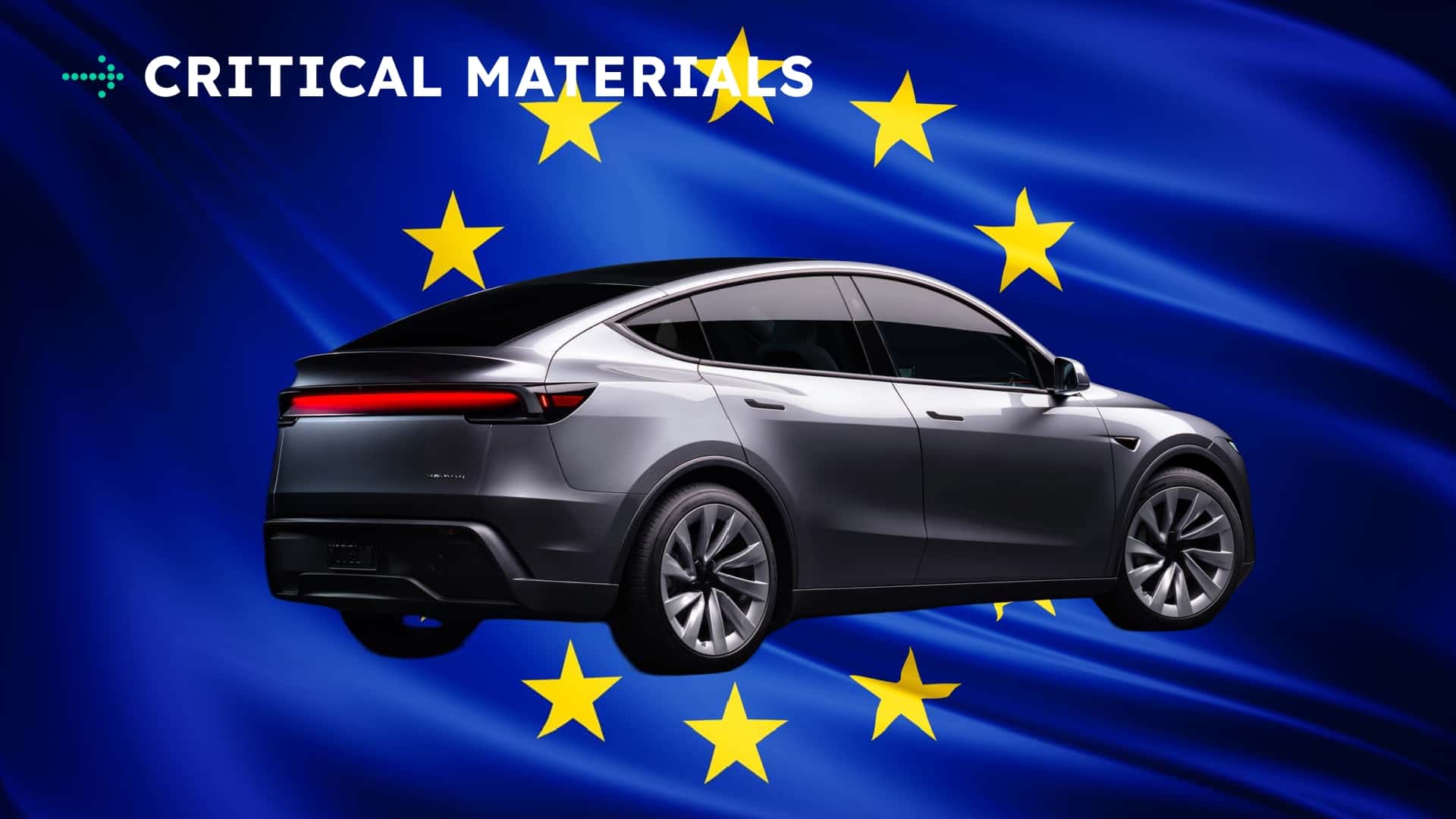
Early last year, Tesla sales started tanking in Europe. And as the latest numbers compiled by Reuters show, Europeans are still not so hot on the Elon Musk-run car brand. It signals a tough 2026 for the company, which has thrown in the towel on making new mainstream cars that aren’t robotaxis.
In December in the U.K., new Tesla registrations fell 29% to 6,323 units, according to data cited by the outlet. For the full year, Tesla’s U.K. sales fell 8.9%. The situation was positively dismal in Germany, where the number of Teslas registered in 2025 fell by 48.4% year-over-year to 19,930 units.
Registrations in France, another big European market for the brand, dropped by 37% in 2025. In Spain, they sank 4%. One bright spot was Norway, Europe’s EV capital. A landmark 96% of vehicles registered in the country were electric last year, and Tesla hit a new sales record.
It all started when Musk waded into far-right politics in Europe. This move alienated many potential customers and led to a backlash against the brand. Additionally, the competition in the EV market in Europe has been heating up, with more established automakers offering compelling alternatives to Tesla’s vehicles.
While Tesla still maintains a strong presence in the U.S. market, its struggles in Europe highlight the challenges the company faces as it looks to expand globally. With the rise of electric vehicles from other manufacturers and changing consumer preferences, Tesla will need to adapt its strategy to regain its footing in the European market.
Overall, the European market remains a tough nut to crack for Tesla, but the company’s innovative technology and strong brand loyalty may help it overcome these challenges in the long run.
But the reality is that Tesla’s dominance is being challenged by new competitors, particularly from China. These new players are offering innovative technology and competitive pricing, putting pressure on Tesla to up its game.
One of the biggest challenges facing Tesla is its stale product lineup. Despite rolling out cheaper variants of its Model Y and Model 3 this year, the company is still struggling to attract new customers. The lack of exciting new products is making it difficult for Tesla to maintain its position as the leader in the electric vehicle market.
Adding to Tesla’s woes is the emergence of Nvidia as a major player in the driver-assistance technology space. Nvidia recently announced Alpamayo, a family of open-source AI models, simulation tools, and datasets that can be used to develop self-driving systems. The company’s in-house competitor to Tesla’s Full Self-Driving system is almost ready, with plans to launch it in the new Mercedes-Benz CLA this year. This system promises Level 2 point-to-point driving capability, giving drivers the ability to navigate complex urban environments with ease. Journalists who have tested the system have been impressed, with some even suggesting that Tesla should be worried about Nvidia’s advancements in this space.
In addition to Nvidia’s rise, there’s a new best-selling non-Tesla electric vehicle in America: the 2024 Chevy Equinox EV FWD. This vehicle offers a compelling alternative to Tesla’s lineup, with competitive pricing and advanced technology. With more and more consumers turning to electric vehicles, Tesla will need to step up its game to compete with new players like Nvidia and Chevy.
Overall, Tesla is facing a challenging sales rut, with new competitors and a lack of exciting products putting pressure on the company. In order to maintain its position as a leader in the electric vehicle market, Tesla will need to innovate and adapt to the changing landscape of the industry.
But even with all these contenders vying for the title of hottest non-Tesla EV in America, it’s clear that Tesla still reigns supreme. The company’s Model Y continues to set the standard for both technology and EV sales volume in the country, leaving its competitors struggling to catch up.
While the battle for best of the rest is certainly up for grabs, it’s hard to deny the overwhelming success of the Tesla Model Y. With its sleek design, impressive range, and cutting-edge technology, it’s no wonder that the Model Y has become the go-to choice for many EV enthusiasts.
However, in 2025, the Chevrolet Equinox EV managed to steal some of Tesla’s thunder, becoming the most popular non-Tesla EV in America. With over 57,000 units sold, the Equinox EV proved that there is a strong demand for affordable EVs with long-range capabilities.
General Motors’ success with the Equinox EV was a clear indicator of the changing landscape of the EV market. With more and more automakers introducing their own electric vehicles, consumers now have a wide range of options to choose from, making it easier than ever to transition to a more sustainable mode of transportation.
Looking ahead to 2026, it’s anyone’s guess which non-Tesla EV will reign supreme. With the Bolt EV making a comeback with a sub-$30,000 price tag, the Nissan Leaf receiving rave reviews, and the Rivian R2 making waves in the industry, the competition is fiercer than ever.
One thing is for certain, though – Tesla’s dominance in the EV market is unlikely to waver anytime soon. With its innovative technology, superior performance, and loyal fan base, the company continues to set the bar high for the rest of the industry, leaving its competitors scrambling to keep up.
While the battle for the hottest non-Tesla EV in America rages on, one thing is clear: Tesla’s Model Y may be the king for now, but the future of electric vehicles is bright, and there are plenty of contenders eager to dethrone the current champion.