
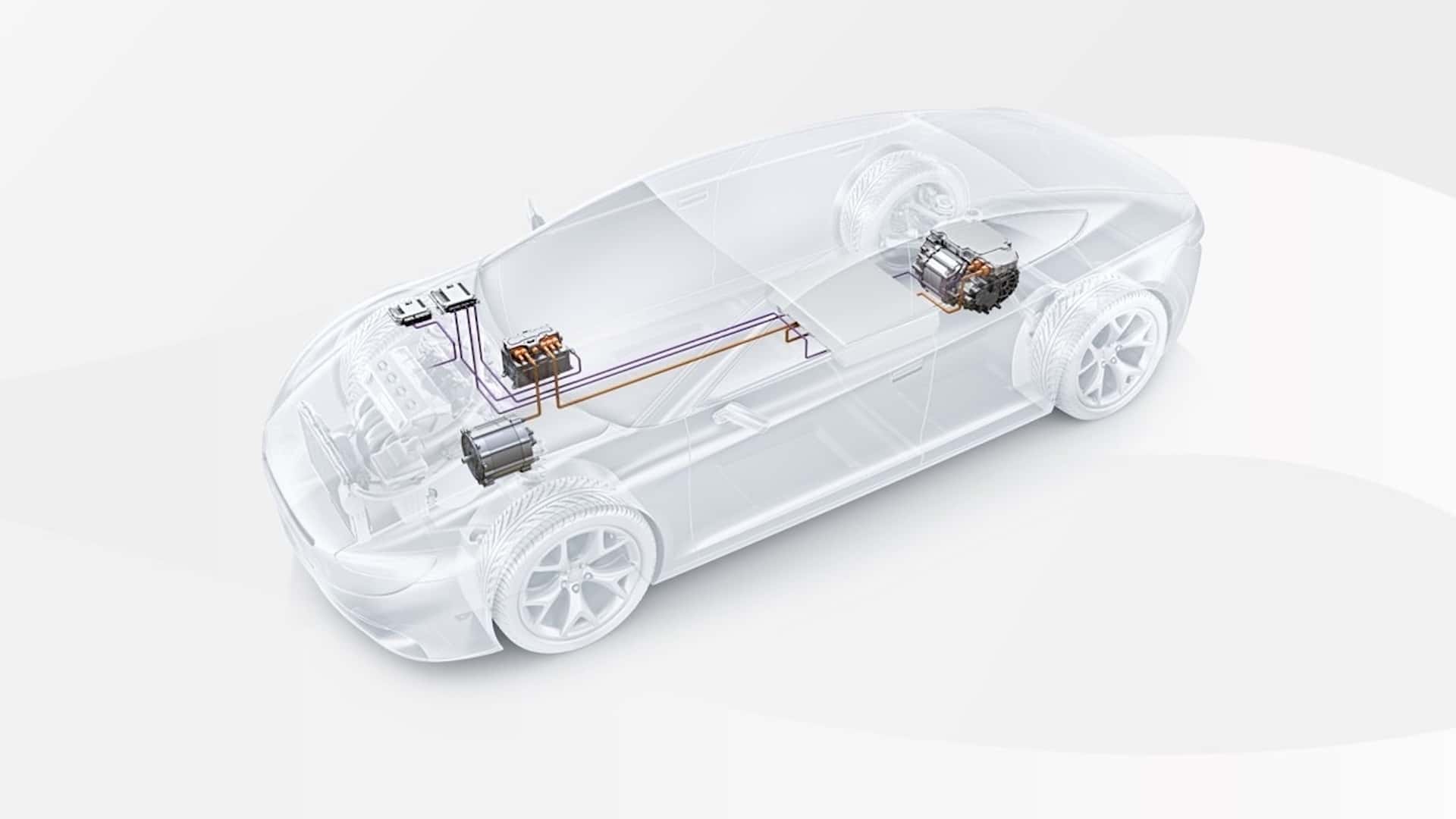
Automotive industry faces uncertainty, Bosch remains optimistic about internal combustion engines
At the recent Consumer Electronics Show (CES), Bosch’s North American president, Paul Thomas, made a bold statement regarding the future of vehicle propulsion in America. He predicted that by 2035, around 70% of vehicles sold in North America would still rely on internal combustion engines. However, Thomas emphasized that these engines could take various forms, including hybrids, plug-in hybrids, and extended-range electric vehicles.
Bosch, a German multinational engineering and technology company, is a major player in the automotive industry, supplying components for both traditional internal combustion vehicles and advanced electric vehicles. Despite the growing trend towards electrification, Bosch remains committed to internal combustion technology, citing the evolving political landscape in the United States as a key factor.
While Bosch continues to invest in developing cutting-edge electric vehicle components and artificial intelligence technologies, the company acknowledges the enduring presence of internal combustion engines in the automotive market. Thomas indicated that factors such as consumer demand and technological advancements would influence the transition to alternative propulsion systems.
The automotive industry has experienced significant shifts in recent years, with the rise of electric vehicles and changing regulatory environments. Bosch’s long-term outlook on internal combustion engines reflects a pragmatic approach to addressing market dynamics and technological advancements.
Despite the growing popularity of electric vehicles in markets like China, where EVs account for a significant portion of new car sales, Bosch anticipates a more gradual transition in North America. Thomas noted that by 2035, EVs are expected to make up only about 30% of the total U.S. market, highlighting the continued relevance of internal combustion technology.
As the automotive industry navigates evolving consumer preferences and regulatory landscapes, Bosch remains focused on innovation and diversification. The company’s commitment to a balanced approach to electrification, hybridization, and traditional propulsion underscores its adaptability and resilience in a rapidly changing market.
In conclusion, Bosch’s perspective on the future of internal combustion engines in North America reflects a nuanced understanding of the complex factors shaping the automotive industry. While electric vehicles are gaining momentum, Bosch remains optimistic about the continued relevance of internal combustion technology, emphasizing the importance of innovation and flexibility in a dynamic market environment. In a recent development, the United States has eased its fuel economy rules, while the European Union has backed off a plan to ban internal combustion engines by 2035. Despite this shift in regulations, Bosch CEO Volkmar Denner emphasized the importance of continuing to work on cleaner and more efficient engines.
Denner stated that Bosch is fully committed to investing in technology that will help improve the emissions of internal combustion engines. He believes that it is crucial for suppliers to keep working on enhancing the performance of traditional engines, rather than becoming complacent. Denner’s remarks highlight the company’s dedication to sustainability and innovation in the automotive industry.
These sentiments expressed by Denner stand in contrast to the views of electric vehicle (EV) advocates and companies that solely focus on the development of electric cars. Many EV proponents argue that as battery technology advances and becomes more affordable, consumers will naturally gravitate towards electric vehicles as superior alternatives to traditional combustion engines. However, Denner’s perspective suggests that there is still significant value in improving internal combustion engines to meet environmental standards and customer demands.
RJ Scaringe, the CEO of electric vehicle manufacturer Rivian, also shared a similar sentiment in a recent interview with Fortune. Scaringe emphasized that the primary limitation in the transition to electric vehicles lies in the supply side, rather than the demand side. He suggested that the availability of affordable and high-quality electric vehicles is crucial for creating a healthy market for EVs.
Overall, Denner’s comments underscore the importance of continued innovation in internal combustion engines, even as the automotive industry shifts towards electric vehicles. By focusing on improving the efficiency and emissions of traditional engines, companies like Bosch can contribute to a more sustainable future for the transportation sector.