
This stark pricing difference is likely a major factor in the decline of EV sales, as consumers may be hesitant to make the switch to electric vehicles when they can get a traditional gasoline-powered car for significantly less.
The disappearance of the EV tax credit has only exacerbated this issue, as it provided a financial incentive for consumers to choose electric vehicles over gas-powered ones. Without this credit, many potential buyers may have been deterred from making the switch.
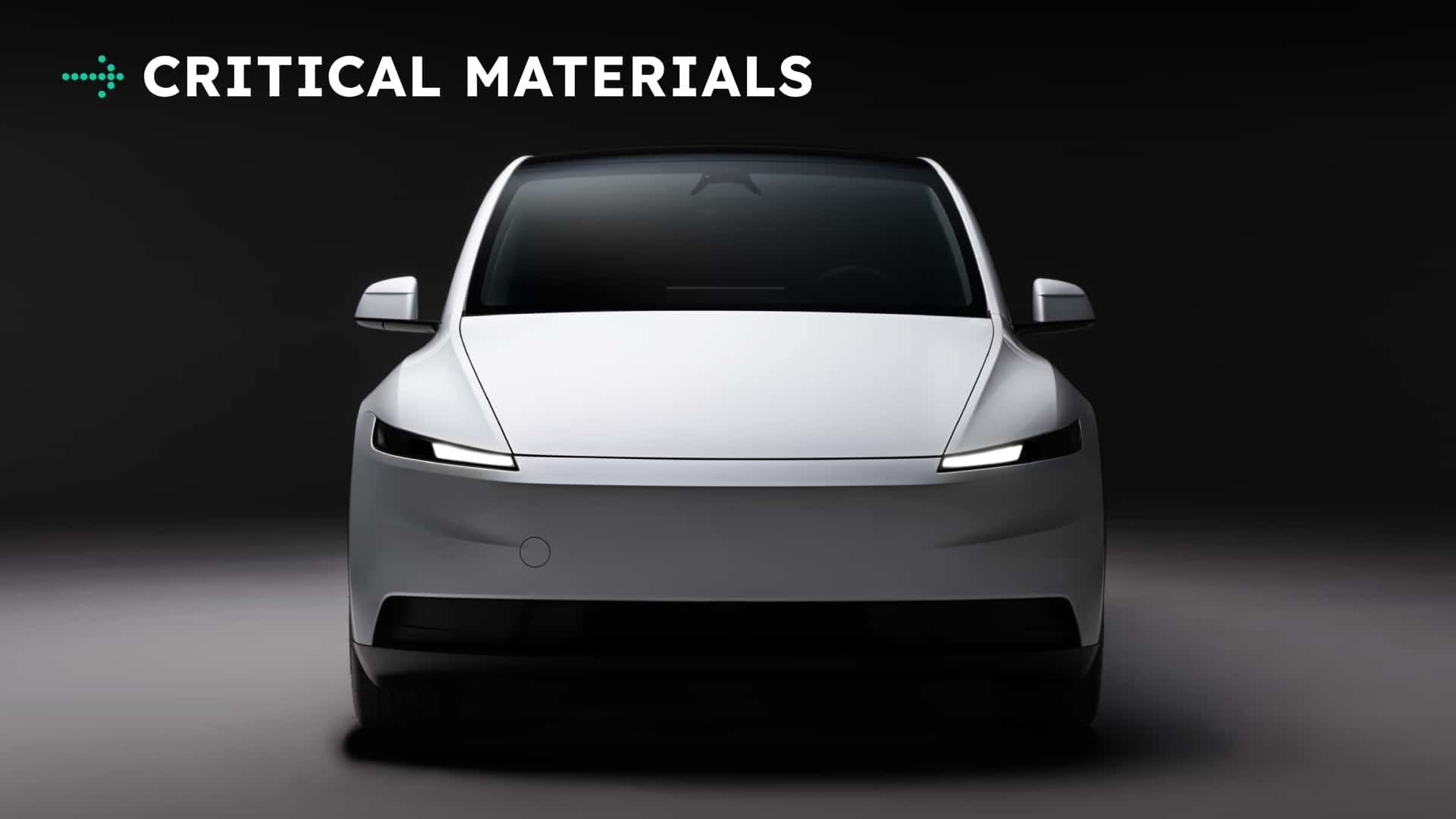
Tesla, known for its innovative technology and sleek designs, has been hit hard by this shift in the market. Despite rolling out more affordable versions of their popular Model 3 and Model Y vehicles, sales have not met expectations. The company’s U.S. sales for 2025 are projected to be down nearly 9% year-over-year, a significant drop for a company that has historically seen steady growth.
The overall EV market is also feeling the effects of the loss of the tax credit, with inventory levels skyrocketing and demand plummeting. Buyers rushed to purchase electric vehicles in the third quarter to take advantage of the credit, but since its expiration, sales have plummeted. This rapid decline in demand has left dealerships with an excess of EV inventory, leading to steep discounts and promotions to try to move vehicles off the lots.
Moving forward, it will be interesting to see how the EV market adapts to these changing conditions. Manufacturers may need to reevaluate their pricing strategies and incentives to entice consumers to make the switch to electric vehicles. As the industry continues to evolve, it will be crucial for companies like Tesla to stay ahead of the curve and find new ways to attract buyers in a market that is becoming increasingly competitive. The push for electric vehicles (EVs) is gaining momentum worldwide, but there is a significant affordability gap that needs to be addressed. According to a report from Cox Automotive, only 3.7% of total EV sales were for under $40,000 since October, compared to 38.7% across different powertrains. This represents a fundamental issue that needs to be tackled in order to make EVs more accessible to a wider range of consumers.
One company that is taking steps to address this affordability gap is General Motors (GM). After shutting down its Cruise robotaxi efforts last year, GM has redirected its resources towards bringing autonomous features to personal vehicles that regular people can afford. This shift in focus is part of GM’s strategy to leverage the lessons learned from Cruise’s commercial-level operations and apply them to consumer vehicles.
GM has equipped a fleet of test cars, including 48 Cadillac Escalade IQ EVs and 90 GMC Yukons, to gather driving data across the country. These test vehicles will provide valuable insights on how to position cameras, scale assembly, and make the vehicles practical for everyday use at a price point that is attractive to customers. GM aims to deploy eyes-off Super Cruise for the Cadillac Escalade IQ by 2028 and eventually expand this technology across multiple GM brands and vehicle segments.
The key challenge for GM is to strike the right balance between meeting regulatory requirements and offering an exciting product that consumers will want to buy. By leveraging Cruise’s expertise in autonomous technology, GM hopes to overcome this challenge and make significant progress in the field of personal autonomy.
Meanwhile, in China, there is a different kind of regulatory challenge emerging. The country has recently cracked down on electronic pop-out door handles following high-profile crashes that raised concerns about the safety of this futuristic hardware. The move by Chinese regulators underscores the importance of ensuring that advanced automotive technologies are not only innovative but also safe and reliable.
As the automotive industry continues to evolve, companies like GM and regulators in countries like China are working to address the complex challenges facing the sector. By focusing on affordability, safety, and innovation, these stakeholders are shaping the future of mobility and paving the way for a new era of personal autonomy on the road. Regulators in China have taken a significant step towards ensuring the safety of future car models by proposing draft legislation that would mandate the inclusion of easily accessible mechanical door releases on all vehicles. The rules, which were published on Wednesday, would require car companies operating in China to equip each side door with a mechanically released exterior door handle to allow occupants or rescuers to open the door without tools in the event of a crash or battery thermal propagation events.
This move by Chinese regulators is aimed at addressing the potential safety risks posed by electronic door handles without mechanical backups. The draft legislation also specifies that exterior door handles must be positioned within defined accessible areas on the door or adjacent door frame, ensuring that there is always sufficient hand-operating space for mechanical release, even in scenarios of power loss or system failures.
In addition to exterior door handles, Beijing is also targeting interior handles by setting the stage to mandate mechanical latches that are both easy to spot and access. This comprehensive approach to door handle safety reflects the Chinese government’s commitment to ensuring the highest standards of safety in the automotive industry.
The issue of electronic door handles without mechanical backups is not unique to China, as Tesla has faced similar scrutiny in the United States. A recent investigation by Bloomberg and subsequent government probe highlighted concerns about the reliability of Tesla’s electronic door handles in crash or no-power scenarios.
Meanwhile, automakers worldwide are racing to bring eyes-off autonomy to the market, with the first company to achieve widespread implementation poised to reap substantial rewards. While Tesla may seem like the frontrunner in this race, experts suggest that other companies, such as GM, could also be contenders. As the automotive industry continues to evolve, safety and autonomy will remain key focus areas for regulators and automakers alike.