
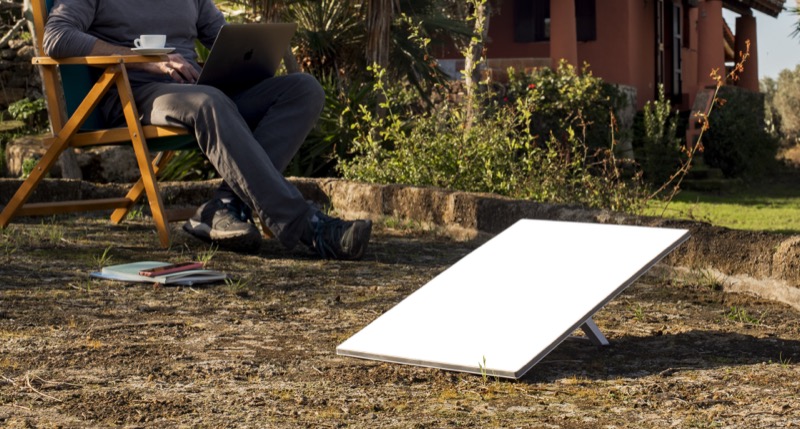
SpaceX’s Starlink project continues to expand at a rapid pace, and one of its key suppliers, European chipmaker STMicroelectronics, is playing a crucial role in supporting its growth. STMicro has disclosed that it has shipped over 5 billion radio-frequency antenna chips to SpaceX for use in Starlink user terminals over the past decade. This partnership is set to intensify even further, with projections indicating that shipments could double in the next two years, bringing the total to nearly 10 billion chips by 2027.
Remi El-Ouazzane, president of STMicro’s microcontrollers and digital integrated circuits division, highlighted the significance of this collaboration, stating that the volume of user terminals in the past decade could potentially double in the near future. He also mentioned the potential for other lower-orbit satellite players to leverage this technology, indicating a broader impact beyond just SpaceX.
The industrial scale of STMicro’s involvement sheds light on the immense growth of Starlink, which now operates in over 150 countries and territories and has amassed over eight million users worldwide. This expansion has positioned Starlink as a major driver of demand for specialized chips capable of handling high data rates and surviving the rigors of space. In fact, Starlink has become SpaceX’s largest revenue source, underscoring its importance within the company’s portfolio.
STMicro’s radio-frequency front-end modules have been integral to Starlink’s success since the partnership began in 2015. Looking ahead, STMicro is expected to supply inter-satellite laser link technology for SpaceX platforms and collaborate with other European players on various satellite projects. This deepening relationship aligns with SpaceX’s aggressive expansion plans, which include increasing the number of satellites in the Starlink constellation to over 10,000 by early 2026 and launching next-generation V3 satellites to enhance network capacity.
Furthermore, SpaceX’s pursuit of FCC approval to deploy up to 15,000 additional satellites underscores the company’s ambitious goals for satellite-to-cellular service. Elon Musk has hinted at potential future endeavors such as AI data centers in orbit, emphasizing the central role that Starlink plays in SpaceX’s long-term strategy.
As SpaceX continues to scale rapidly, key suppliers like STMicro are gearing up to meet the unprecedented demand. This collaboration highlights the intricate ecosystem supporting Starlink’s evolution and underscores the critical role of partnerships in driving innovation in the space industry.