
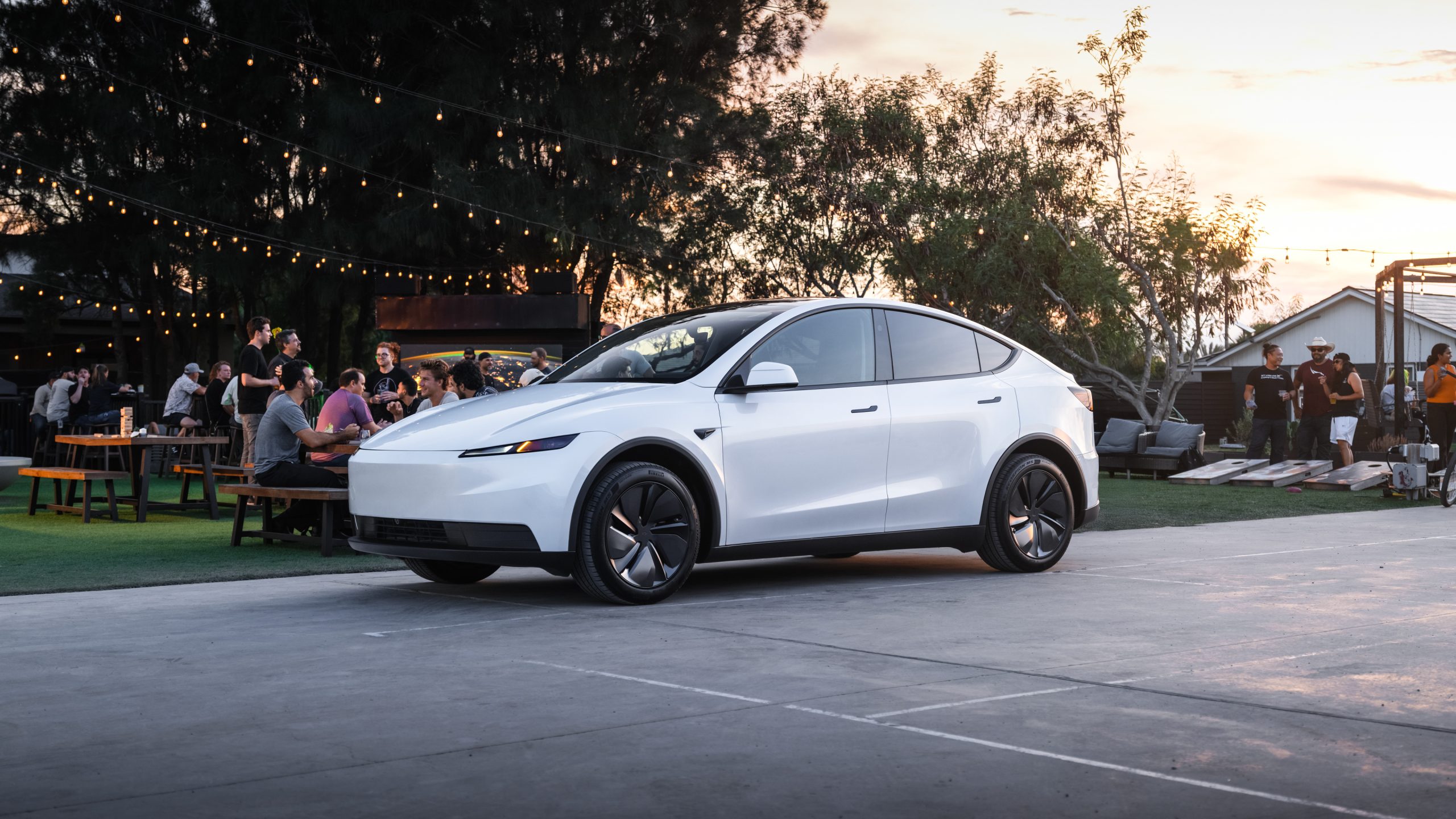
Tesla Model Y Standard Exceeds EPA Range in Real-World Testing
Tesla’s most affordable Model Y Standard is proving to be a surprise winner in real-world driving scenarios, showcasing that entry-level doesn’t necessarily mean limited capability. Independent testing has revealed that the 2026 Tesla Model Y Standard has comfortably exceeded its EPA estimated range.
The Tesla Model Y Standard, equipped with a single electric motor and a smaller battery pack compared to its Long Range and Performance siblings, has surpassed expectations in terms of range performance. Real-world testing has shown that the Model Y Standard is capable of traveling further on a single charge than what was initially predicted by the EPA.
One of the key factors contributing to the Model Y Standard’s impressive range performance is Tesla’s continuous efforts to optimize energy efficiency in their vehicles. From aerodynamic design improvements to software updates that enhance energy utilization, Tesla has been relentless in their pursuit of maximizing range without compromising performance.
In addition to its exceptional range capabilities, the Tesla Model Y Standard also offers a compelling blend of features and affordability. With a spacious interior, cutting-edge technology, and the iconic Tesla Autopilot system, the Model Y Standard delivers a premium driving experience at a more accessible price point.
The success of the Model Y Standard in real-world testing highlights Tesla’s commitment to innovation and sustainability. By pushing the boundaries of electric vehicle technology and setting new standards for range performance, Tesla continues to solidify its position as a leader in the automotive industry.
As Tesla continues to expand its lineup of electric vehicles and introduce new advancements in battery technology, the future looks promising for electric mobility. With vehicles like the Model Y Standard setting new benchmarks for range and efficiency, the transition to a sustainable transportation future is becoming more attainable than ever before.
For drivers looking to experience the thrill of electric driving without compromising on range or performance, the Tesla Model Y Standard proves to be a compelling choice. With its impressive range capabilities and cutting-edge features, the Model Y Standard is a testament to Tesla’s dedication to redefining the automotive landscape. The world of technology is constantly evolving, with new innovations and advancements being made on a daily basis. One of the most exciting developments in recent years is the rise of artificial intelligence (AI). AI has the potential to revolutionize industries across the board, from healthcare to finance to transportation.
One of the key areas where AI is making a significant impact is in the field of healthcare. AI has the ability to analyze large amounts of data and identify patterns that humans may not be able to see. This can be incredibly valuable in the field of medical research, where AI can help researchers uncover new treatments and cures for diseases.
In addition to its applications in research, AI is also being used to improve patient care. For example, AI-powered chatbots can provide patients with information and support, while AI algorithms can help doctors make more accurate diagnoses and treatment decisions.
AI is also being used to improve the efficiency of healthcare systems. By automating repetitive tasks and streamlining workflows, AI can help reduce costs and free up healthcare professionals to focus on more important tasks.
In the field of finance, AI is being used to analyze market trends and make investment decisions. AI algorithms can process vast amounts of data in real time, allowing investors to make more informed decisions and potentially earn higher returns.
AI is also being used to detect fraud and prevent cyber attacks in the financial industry. By analyzing patterns of behavior and identifying anomalies, AI can help financial institutions protect themselves and their customers from potential threats.
In the transportation industry, AI is being used to improve safety and efficiency. Self-driving cars are a prime example of how AI is revolutionizing transportation, with companies like Tesla and Google leading the way in developing autonomous vehicles.
AI is also being used to optimize traffic flow and reduce congestion in cities. By analyzing traffic patterns and adjusting signals in real time, AI can help reduce travel times and improve the overall efficiency of transportation systems.
Overall, the potential of AI to transform industries across the board is immense. As the technology continues to advance, we can expect to see even more exciting developments in the years to come. From healthcare to finance to transportation, AI is set to revolutionize the way we live and work.