
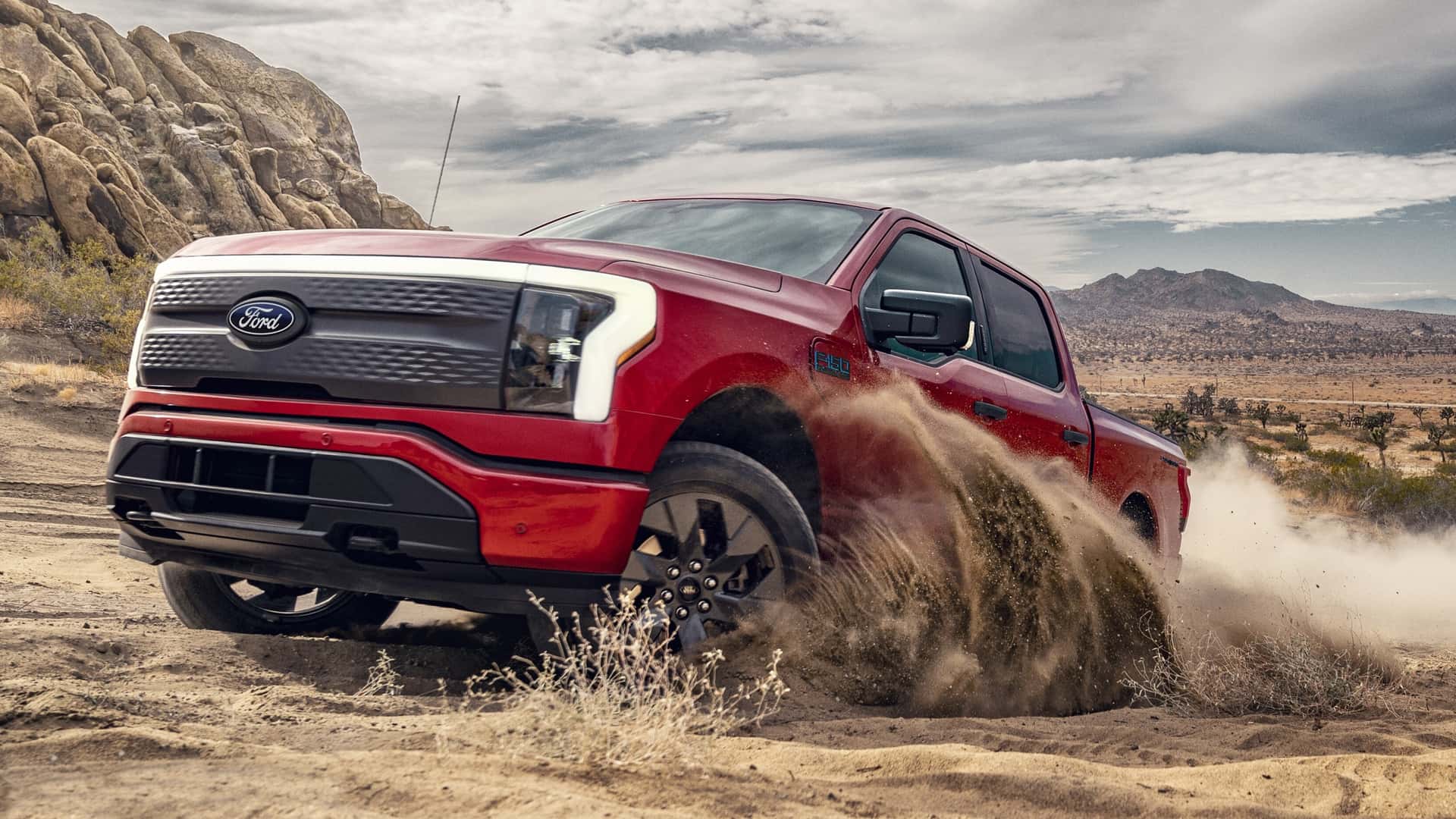
Now, with the cancellation of the Ford F-150 Lightning and its electric replacement, it seems like Ford is once again making a decision that could have long-term consequences for its market share and competitiveness. While China continues to dominate the EV and PHEV markets with affordable options, Ford’s retreat from fully electric vehicles raises questions about its commitment to sustainable transportation.
The Universal EV Platform set to launch in 2027 could be Ford’s chance to redeem itself in the electric vehicle space. However, with the recent cancellations and shifts back to gas-powered vehicles, there is skepticism about whether Ford will follow through on its promises for a greener future.
It’s clear that the landscape of the automotive industry is changing rapidly, with electric vehicles becoming increasingly popular and necessary for a sustainable future. Ford’s decisions to cancel electric models and shift back to gas-powered vehicles may not only affect its market share but also its reputation as a leader in innovation and sustainability.
As Ford navigates these changes and challenges, it will be interesting to see how the company adapts to the evolving automotive market and consumer preferences. The future of American manufacturing and the competitiveness of the EV market may depend on Ford’s ability to deliver on its promises and embrace the shift towards electric vehicles.
Ford’s former stronghold in the auto industry is facing new challenges as cheap EVs and hybrids from China are starting to make significant inroads into international markets. This shift in the automotive landscape is evident when looking at the sales charts outside of the U.S., where Chinese automakers are gaining traction with their affordable and technologically advanced electric vehicles.
The recent pivot by Ford to focus on extended-range EVs (EREVs) and electric crossovers seems like a strategic move to shore up finances after a challenging year. However, it also raises concerns about the long-term implications of ceding ground to Chinese competitors. Ford CEO Jim Farley has been vocal about the threat posed by China’s growing influence in the auto industry, but it appears that China has already gained a significant advantage.
While Ford is betting on its new EV architecture, the Ford Universal EV Platform, to drive its electric future, the lack of tangible results raises doubts about the company’s ability to compete effectively. The cancellation of planned electric models and product pivots suggest a lack of innovation and a defensive posture that may hinder Ford’s ability to stay ahead in the rapidly evolving EV market.
In contrast, Chinese automakers like BYD, Zeekr, and Xpeng are rapidly expanding their lineup of affordable electric vehicles and hybrids to cater to a broader range of consumers. BYD, for example, recently introduced a PHEV version of its Atto 2 crossover in Europe and has plans to launch a hybrid estate wagon in the near future. This flexibility and adaptability to market demands are giving Chinese automakers a competitive edge over traditional automakers like Ford.
As Ford grapples with the challenges of transitioning to an electric future, the success of Chinese EV products serves as a stark reminder of the need for innovation and agility in the auto industry. The gap between Ford’s rhetoric and its product plans underscores the urgency for the company to deliver on its promises and stay ahead of the competition. With China leading the charge in the global EV market, Ford will need to rethink its strategy and embrace new technologies to remain relevant in the evolving automotive landscape. Ford’s recent decision to shift its focus back towards gas vehicles, despite the soft demand for electric vehicles (EVs), has raised eyebrows and sparked criticism. While rival General Motors has been making strides with its EV lineup and plans to introduce more affordable options, Ford’s move to pivot away from EVs seems out of touch with the global push towards sustainable transportation.
The current political climate in the United States, where EVs are sometimes dismissed as a “scam” by top officials, may have played a role in Ford’s decision to backtrack on their EV commitments. This decision is even more puzzling considering the success of competitors like General Motors in the EV market.
One of Ford’s flagship electric vehicles, the Mustang Mach-E, has not been selling as well as expected globally. With Ford looking to partner with other automakers like Renault and Volkswagen for EV development, the future of the Mustang Mach-E is uncertain.
Ford CEO Jim Farley has expressed confidence in the company’s future small EV platform, which is set to be unveiled in the next two years. Ford’s future success in the EV market may hinge on the success of this new platform, as the company appears to be placing a significant bet on its electric vehicle offerings.
While Ford’s decision to shift focus away from EVs may be met with skepticism, only time will tell if their new strategy will pay off. In a rapidly evolving automotive landscape where EVs are becoming increasingly popular, Ford’s move raises questions about the company’s long-term vision and commitment to sustainable transportation.