
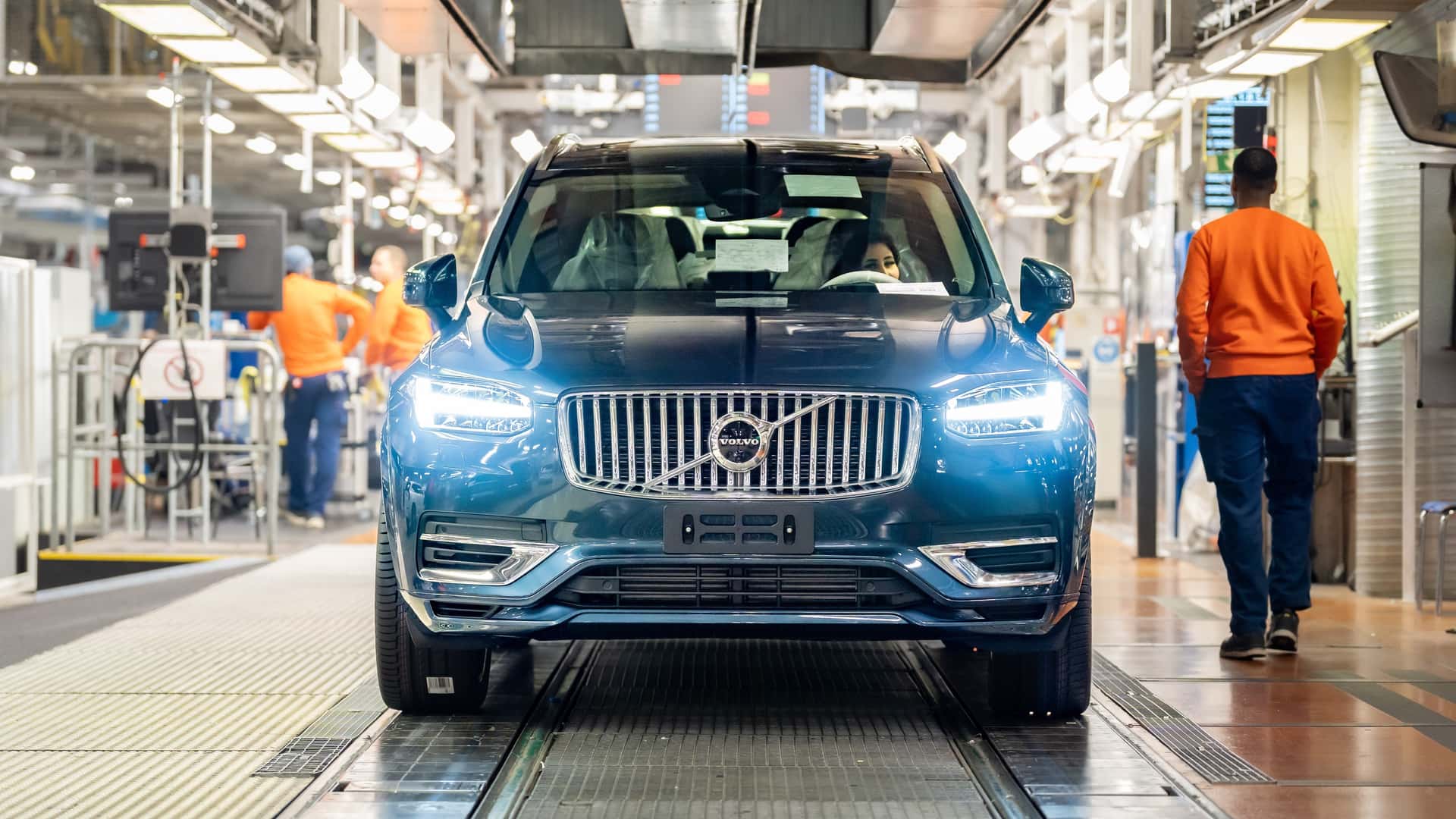
Europe’s Aggressive Transition to EVs Hindered by Customer Sentiment and Manufacturing Lobbying
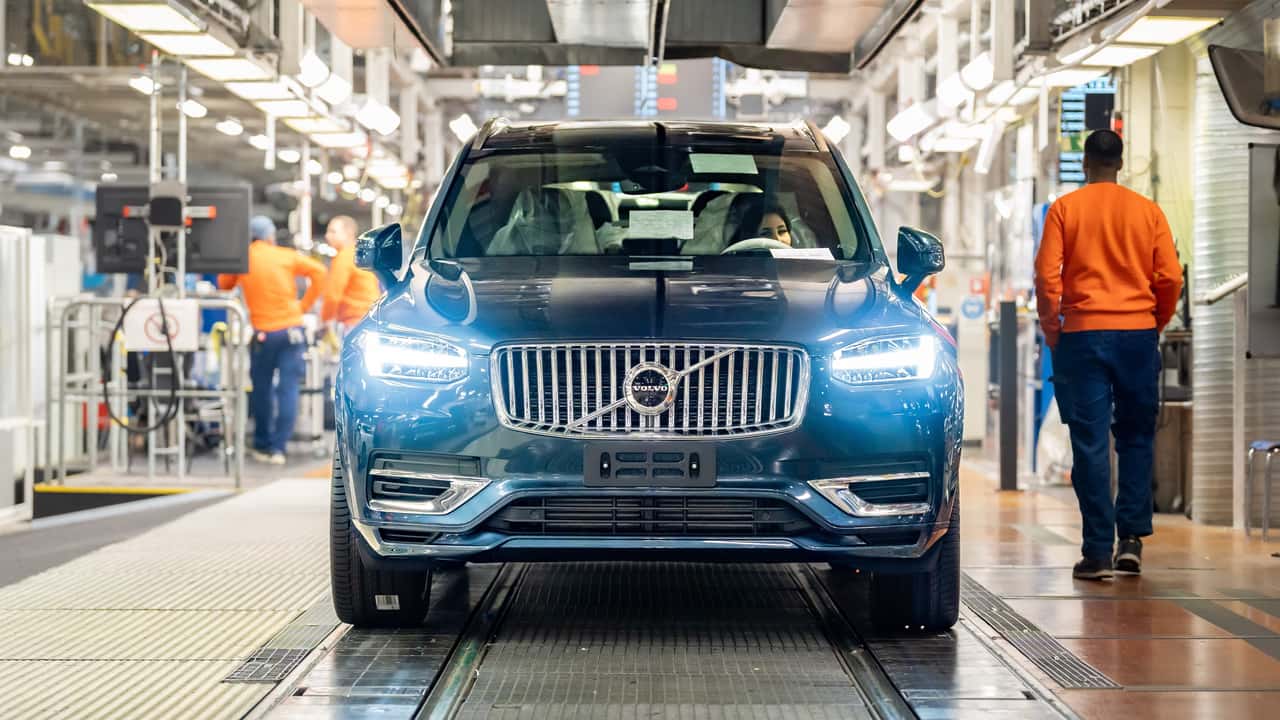
Europe had ambitious plans for an aggressive transition to electric vehicles (EVs). However, these plans have been hindered by a combination of customer sentiment and manufacturing lobbying efforts.
The continent’s push towards EVs was met with resistance from customers who were reluctant to make the switch from traditional internal combustion engine vehicles to electric ones. Many consumers expressed concerns about the range, charging infrastructure, and overall convenience of EVs.
Additionally, manufacturing lobbying played a significant role in slowing down Europe’s transition to EVs. Automakers and industry groups lobbied against strict regulations and deadlines imposed by the government, arguing that they needed more time to develop EV technologies and infrastructure.
This resistance from both customers and manufacturers has forced European policymakers to reconsider their aggressive timeline for phasing out fossil fuel-powered vehicles. While the continent is still committed to achieving carbon neutrality and reducing emissions, the transition to EVs may take longer than initially planned.
Despite these challenges, Europe remains a key player in the global shift towards sustainable transportation. With ongoing advancements in EV technology and infrastructure, the continent is poised to lead the way in the transition to a greener, more environmentally friendly automotive industry.