
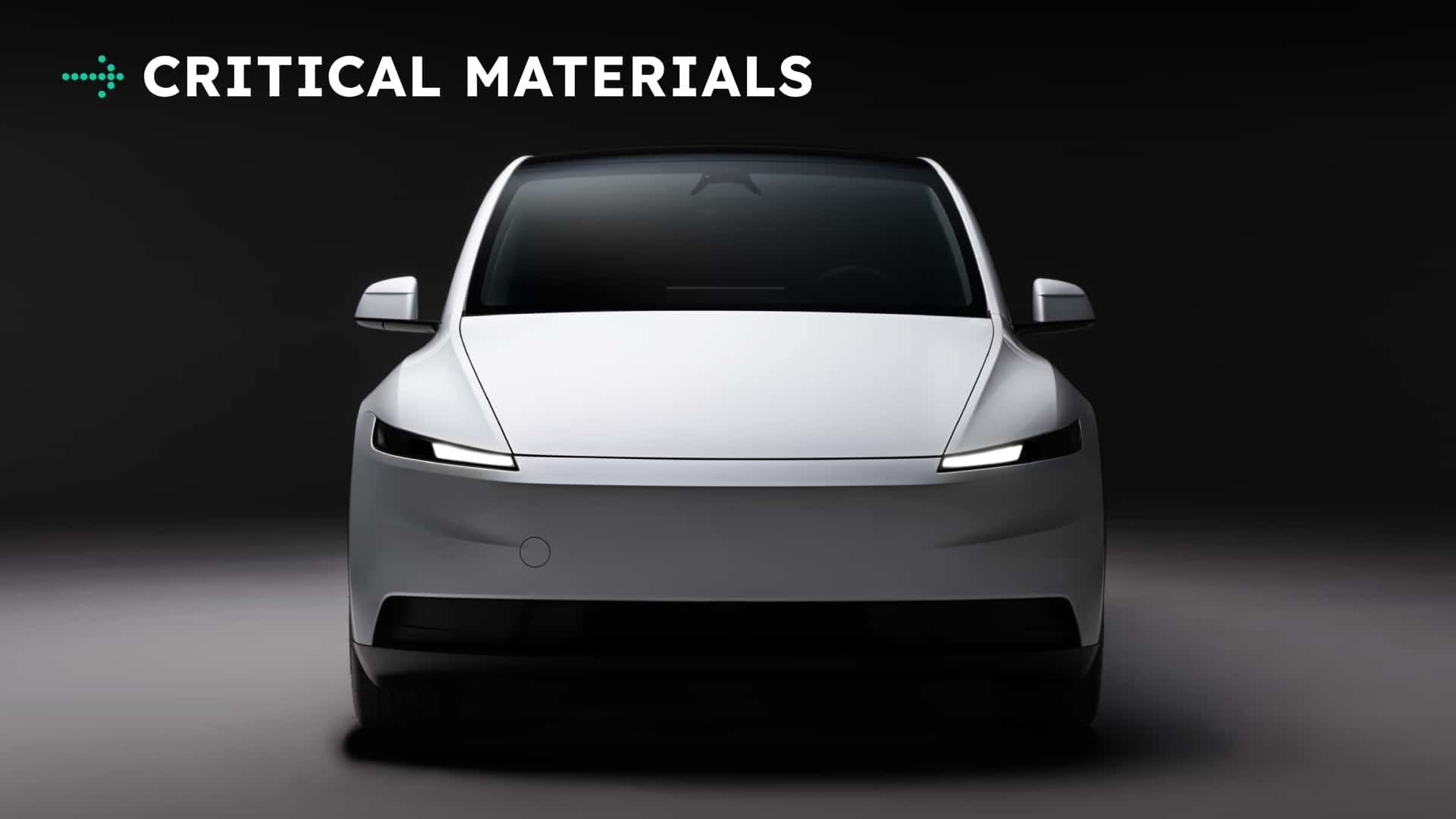
Tesla’s decision to introduce cheaper versions of its Model Y and Model 3 in hopes of boosting sales and generating revenue for future projects has not paid off as expected. The Model Y Standard and Model 3 Standard, priced around $5,000 below their premium counterparts, have failed to attract the anticipated demand.
Despite aggressive cost-cutting measures to make these models more affordable, sales have not seen a significant increase. In fact, November marked Tesla’s worst U.S. sales month in four years, with total sales dropping nearly 23% compared to the previous year. The introduction of the Standard variants was intended to offset the expiration of the tax credit, but it seems that demand for these models has not materialized.
The overall electric vehicle market is facing challenges, with the disappearance of the $7,500 tax credit and weakened fuel economy regulations pushing automakers towards traditional combustion models. The shift in government policies and regulations does not bode well for the growth of the EV market in the near future.
While Tesla’s market share increased to 56.7% in November, overall EV sales fell by 41%. The rush to take advantage of the tax credit in the third quarter likely skewed sales figures, making it difficult to gauge the true demand for EVs post-credit expiration.
Industry experts suggest that the real test of post-credit EV demand will come in the second quarter of next year. In the meantime, Tesla’s stripped-down Standard models, lacking features like lane centering, Autosteer, FM/AM radio, and premium dampers, may not be compelling enough for consumers looking for value and functionality in their electric vehicles.
As competition in the EV market heats up, with other automakers planning to introduce more affordable and feature-rich models, Tesla may need to rethink its strategy. The need for a completely new vehicle in Tesla’s lineup has been highlighted as essential for the company to stay ahead in the increasingly competitive electric vehicle market.
In conclusion, Tesla’s gamble on cheaper models to boost sales and revenue has not yielded the desired results. With challenges in the EV market and increasing competition from other automakers, Tesla may need to reevaluate its approach and consider introducing more innovative and compelling vehicles to maintain its position as a leader in the electric vehicle industry. battery plants. However, this joint venture has now been called off due to disagreements over the terms of the deal. The two companies were planning to build factories in Kentucky and Tennessee to produce batteries for electric vehicles.
Ford has now announced that it will be moving forward with building the Tennessee plant on its own, while SK ON will continue to explore other opportunities in the U.S. market. This decision comes at a time when automakers are ramping up their efforts to secure a stable and local supply of batteries for their electric vehicles.
SK ON has been a key player in the battery industry, supplying batteries to major automakers such as Volkswagen and Ford. The company had hoped that this joint venture with Ford would help it establish a stronger foothold in the U.S. market and compete with other battery manufacturers such as CATL and LG Chem.
Despite the setback with the Ford partnership, SK ON remains optimistic about its future in the U.S. market. The company has stated that it will continue to invest in its existing battery plants in Georgia and is open to exploring new partnerships with other automakers in the future.
As the demand for electric vehicles continues to grow, automakers are looking to secure a stable and local supply of batteries to meet this demand. The breakup of the Ford-SK ON partnership highlights the challenges and complexities involved in building a robust supply chain for electric vehicle batteries in the U.S. market.
The battery plants for electric vehicles in Tennessee and Kentucky have been at the forefront of the automotive industry’s shift towards electric vehicles (EVs). However, with slowing EV sales, the companies behind these plants have decided to end their joint venture.
SK ON and Ford, the two companies involved in the joint venture, have made the decision to part ways as they pivot towards stationary energy storage systems. These systems are experiencing faster growth than EVs, prompting the companies to reallocate their resources accordingly.
As part of the breakup, SK ON will take full ownership of the battery plant in Tennessee, while Ford will assume full ownership of the Kentucky plant. This move will allow both companies to focus on their respective strengths and align their operations with the changing market dynamics.
The decision to end the joint venture comes at a time when the EV market is facing challenges, including supply chain disruptions and increasing competition from traditional automakers. By shifting their focus towards stationary energy storage systems, SK ON and Ford are positioning themselves for long-term success in the rapidly evolving energy landscape.
The battery plants in Tennessee and Kentucky have played a crucial role in supporting the growth of the EV market, providing high-quality batteries for electric vehicles. While the end of the joint venture marks a new chapter for both companies, it also signals a shift towards new opportunities in the energy storage sector.
Overall, the decision to end the joint venture between SK ON and Ford reflects the changing dynamics of the automotive industry and the growing demand for energy storage solutions. By adapting to these changes, both companies are positioning themselves for success in a rapidly evolving market.