
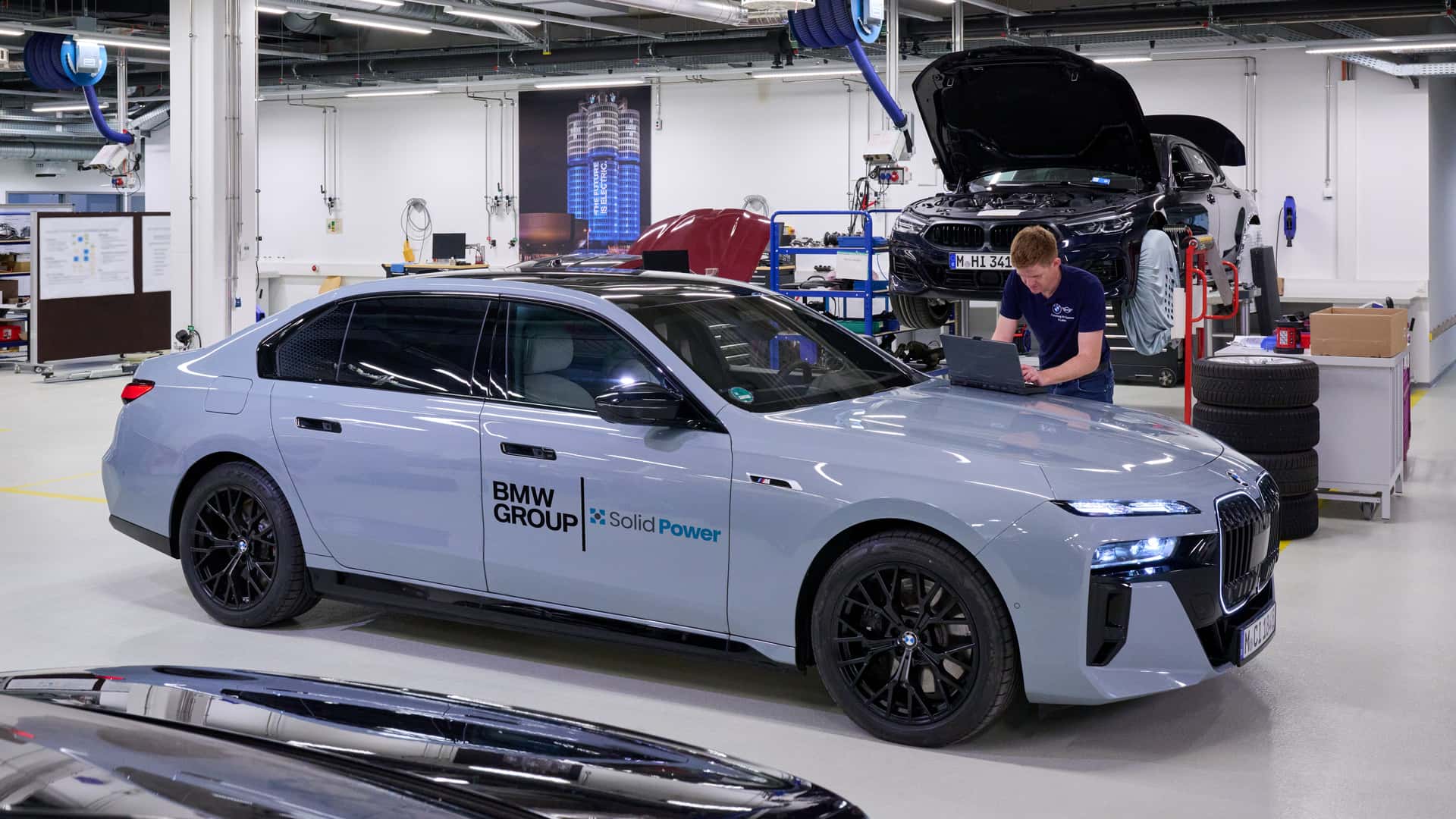
This collaboration between BMW, Samsung SDI, and Solid Power marks a significant step forward in the development of solid-state batteries for electric vehicles. With the prototype BMW i7 already undergoing testing in Germany with all-solid-state batteries, the future of battery technology looks promising.
Solid-state batteries offer numerous advantages over traditional lithium-ion cells, including higher energy density, faster charging times, longer lifespan, and improved safety due to a better thermal profile. By utilizing a solid electrolyte instead of a liquid one, these batteries represent the next evolution in energy storage for electric vehicles.
With Samsung SDI’s expertise in battery manufacturing and Solid Power’s innovative solid electrolyte technology, the partnership aims to bring solid-state batteries closer to widespread adoption. The integration of Samsung SDI’s manufacturing capabilities with Solid Power’s core material could pave the way for more efficient and reliable battery cells.
While the current focus of the collaboration is on developing batteries for next-generation evaluation vehicles, there is potential for future expansion into broader manufacturing contracts. Solid Power’s cells already boast impressive energy densities, with their silicon anode battery rated at 390 watt hours per kilogram, surpassing the industry average for traditional lithium-ion batteries.
As the automotive industry continues to shift towards electrification, the development of solid-state batteries will play a crucial role in enabling longer range, faster charging, and enhanced performance for electric vehicles. With BMW leading the way in testing and innovation, the future of electric mobility looks brighter than ever.
Ford, for example, is working with Solid Power on a pilot production line in Colorado to scale up the manufacturing process. The company is aiming to have a solid-state battery in a vehicle by 2025, according to Reuters.
Meanwhile, Toyota has been investing in solid-state battery technology for years and is aiming to have a solid-state battery-powered vehicle on the road by 2025, as reported by Nikkei Asia.
With the promise of higher energy density, faster charging times, and improved safety, solid-state batteries hold the key to unlocking the full potential of electric vehicles. While there are still hurdles to overcome, companies like Solid Power, Ford, and Toyota are pushing the boundaries of innovation to bring this game-changing technology to the masses. The future of electric vehicles is looking brighter than ever with solid-state batteries leading the charge.