
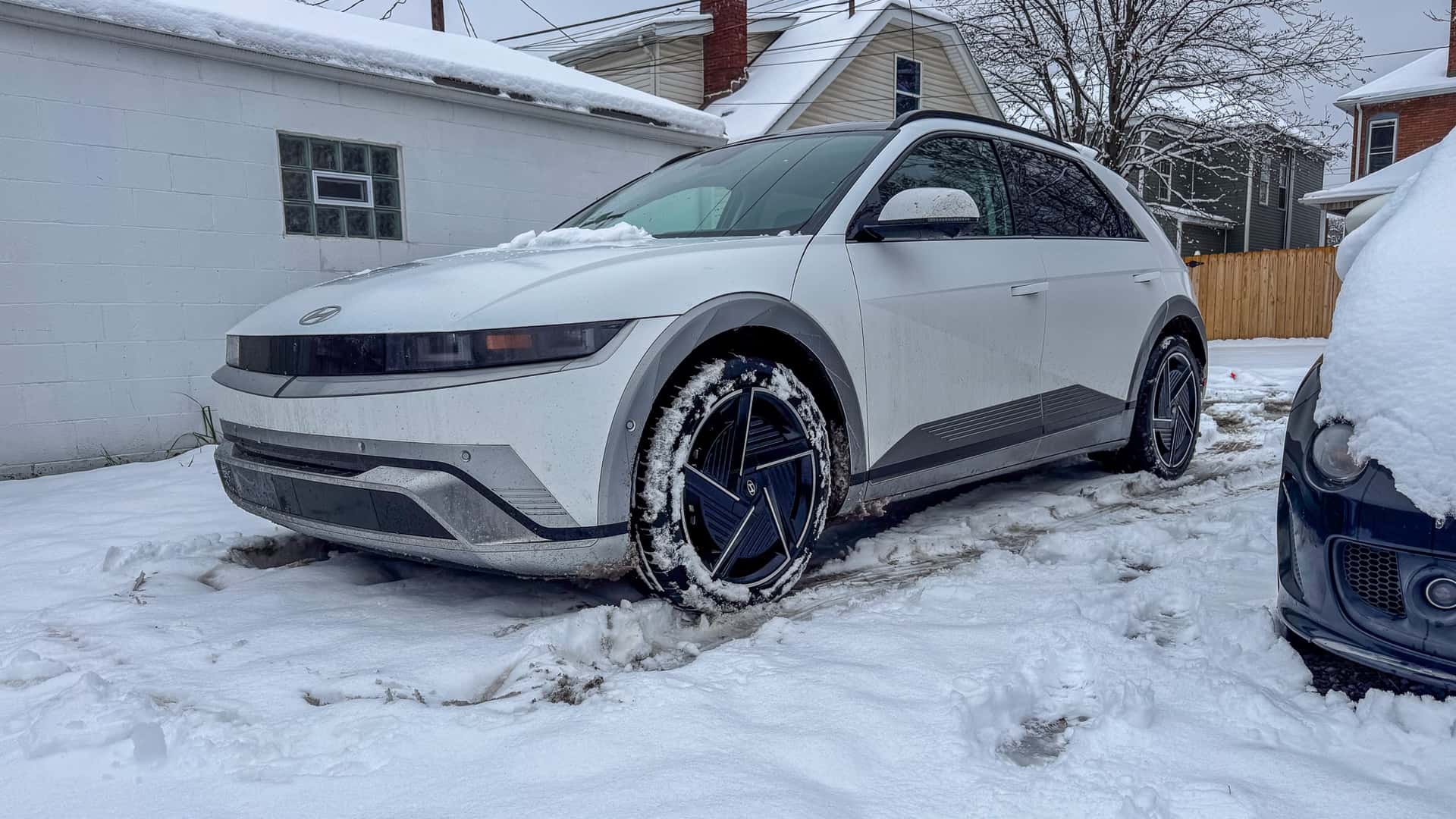
Many other electric vehicles also come equipped with a drive mode specifically designed for snowy driving. This mode, often referred to as Snow Mode, is a crucial feature that helps electric cars navigate safely through challenging winter conditions.
Snow Mode is designed to dull throttle inputs and reduce regenerative braking in order to prevent the wheels from locking up. This helps to maintain traction and control on slippery surfaces such as snow and ice. In addition, some electric vehicles, like the Hyundai Ioniq 5, also have the ability to lock the all-wheel-drive system in a 50-50 split, further enhancing stability and traction in snowy conditions.
Despite the common misconception that electric cars struggle in the winter, the reality is that many electric vehicles are well-equipped to handle challenging weather conditions. One such example is the Hyundai Ioniq 5, which has proven to be a reliable and capable performer in snow mode. The vehicle’s advanced traction management system, combined with its responsive handling and stability, make it a top choice for winter driving.
In comparison to traditional gas-powered vehicles, electric cars offer several advantages when it comes to winter driving. The instant torque delivery of electric motors, combined with advanced traction control systems, allows electric vehicles to excel in challenging conditions. With features like Snow Mode, electric cars can provide a safe and confident driving experience even in the harshest winter weather.
Overall, the Hyundai Ioniq 5 and other electric vehicles with dedicated snow modes demonstrate that electric cars are more than capable of handling winter driving conditions. As technology continues to advance, we can expect to see even more innovative features and capabilities that further enhance the winter performance of electric vehicles. Whether it’s navigating through snow-covered roads or icy conditions, electric cars are proving to be a reliable and efficient choice for winter driving.
Driving an electric car in the snow can be a new experience for many drivers, but with the right precautions and knowledge, it can be just as safe and efficient as driving a traditional gasoline-powered vehicle. Many electric car manufacturers, such as General Motors, Nissan, and Hyundai, have implemented snow drive modes in their vehicles to help improve traction and stability in winter weather conditions.
These snow drive modes operate by adjusting the power delivery to the wheels, as well as the traction control settings, to help the vehicle maintain stable traction on slippery roads. This can be especially useful when driving in snow, ice, or slush, where maintaining control of the vehicle can be challenging.
For example, Hyundai’s snow drive mode works by distributing power to all four wheels evenly, rather than just the front or rear wheels, to help improve traction and stability. This can be particularly helpful when accelerating from a stop or navigating tight turns in snowy conditions.
Similarly, General Motors and Nissan have implemented snow drive modes in their electric vehicles to help improve traction and stability in winter weather conditions. These modes work by adjusting the power delivery to the wheels and the traction control settings to help the vehicle maintain stable traction on slippery roads.
While Tesla does not have a traditional snow drive mode, they do offer a Slippery Surface traction mode that allows the car to spin its wheels to get unstuck in certain situations. However, this mode is not designed to maintain stable traction in bad weather, so it is important to exercise caution when driving a Tesla in snowy conditions.
Ultimately, the key to driving an electric car in the snow is to consult your manual and invest in snow tires if you think it is the safest option. Patrick George, a writer for InsideEVs, emphasizes the importance of dual-motor AWD and the right kind of rubber for driving in winter weather conditions.
So, don’t believe anyone who says electric cars aren’t good in snow. With the right precautions and knowledge, they can be just as safe and efficient as traditional vehicles. With snow drive modes and proper tire choices, electric cars can be great options for winter driving.