
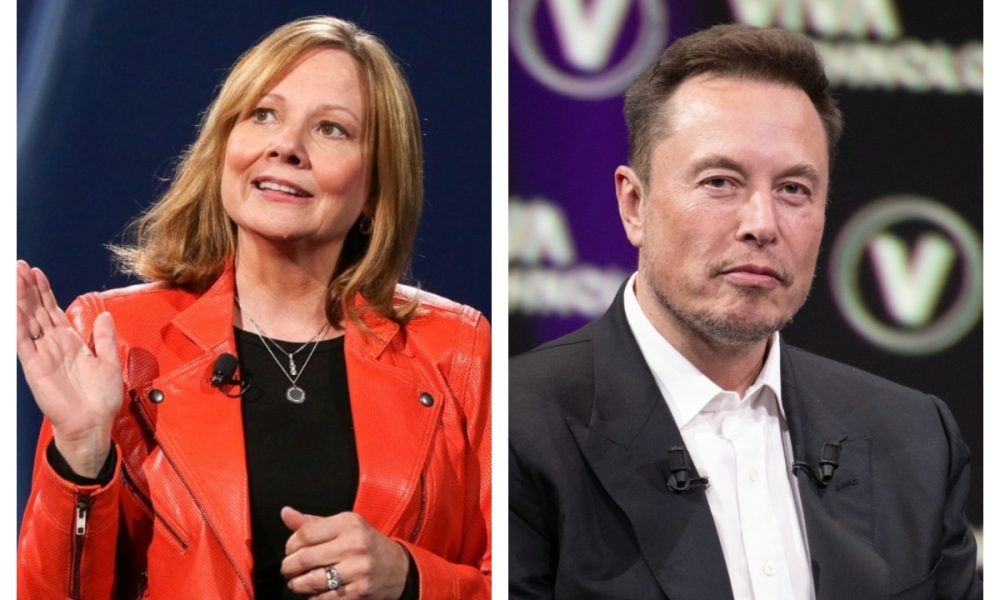
Elon Musk recently expressed his frustration with legacy automakers for not adopting Tesla’s Full Self-Driving (FSD) suite, despite his attempts to license it to them. Tesla has long been the leader in self-driving technology in the United States, with its FSD suite being the most robust and versatile, operating anywhere and everywhere. However, legacy automakers have been hesitant to embrace this technology, much like how they initially dismissed electric vehicles (EVs) when Tesla first entered the market.
Musk and Tesla have been trying to push FSD to other car companies for years, but without any success. Competitors have cited reasons such as competitive pride, regulatory concerns, high costs, or a preference for in-house development as reasons for not licensing FSD. This reluctance mirrors the early days of EV development, where legacy automakers underestimated the potential of sustainable powertrains until Tesla’s disruptive technology gained market share.
Just as legacy automakers were late to the EV party, they are now lagging behind in self-driving technology. While they have in-house projects, they are falling behind Tesla and other competitors in terms of progress. This could lead to long-term setbacks for these companies, forcing them to rely on partnerships to catch up, similar to how they leaned on Tesla for EV charging infrastructure.
Moving forward, Tesla’s progress in self-driving technology is expected to accelerate, while the dismissive attitude of other companies may lead to market share erosion. Self-driving technology is not only a strength for companies but also contributes to affordability and safety. Tesla has shown that its self-driving tech is safer than human drivers, which could help reduce accidents and make roads safer.
Competition in the market is crucial for driving costs down and fostering innovation. The parallels between legacy automakers’ initial dismissal of EVs and their current reluctance to embrace self-driving technology are evident. The question now is whether these companies will finally listen to Elon Musk’s warnings and adapt to technological revolutions before they are left behind once again. The stakes are high, as the future of the automotive industry depends on how companies respond to these advancements.