
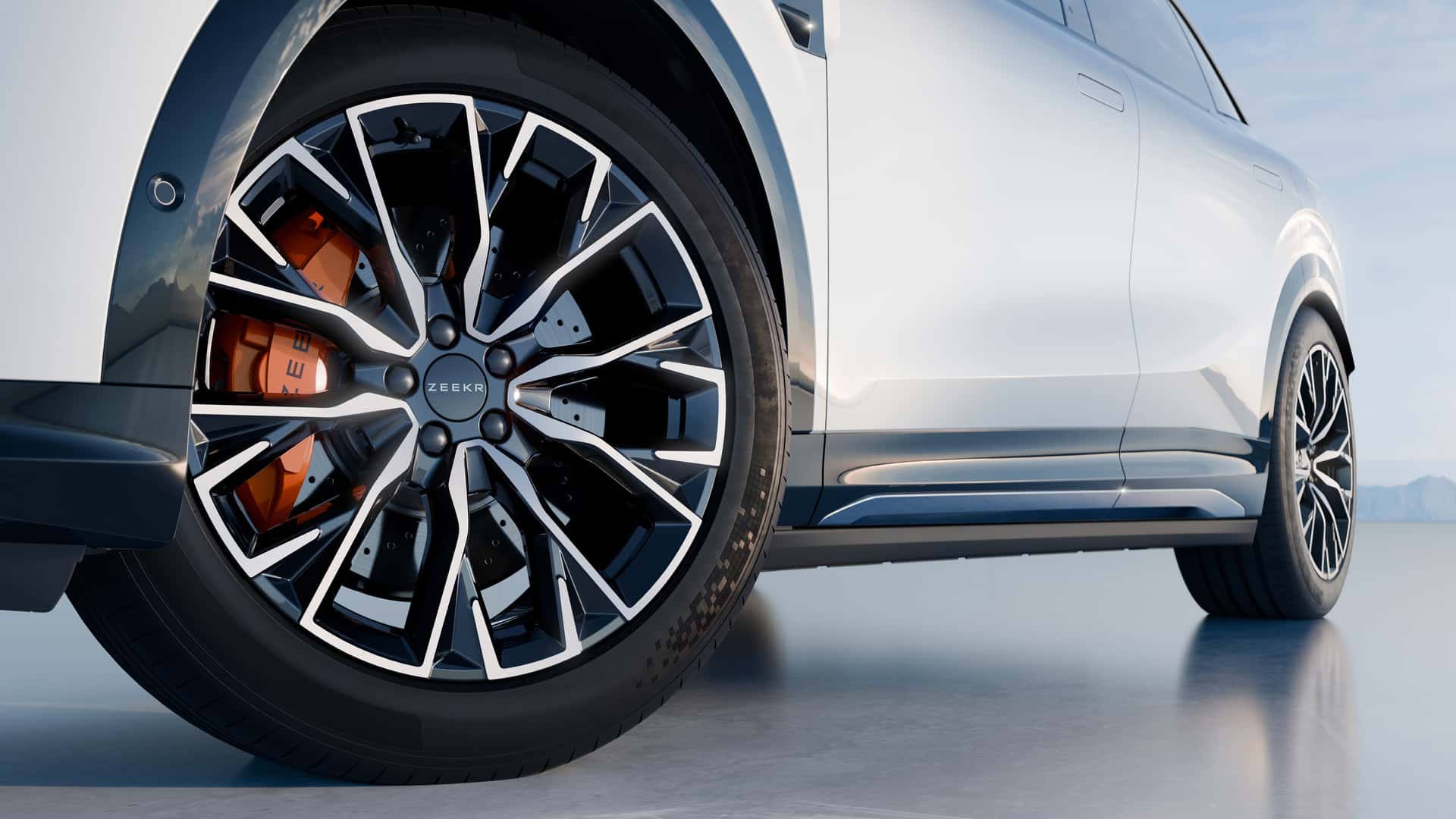
Electric vehicles (EVs) are often praised for their lack of tailpipe emissions, which is beneficial for air quality in urban areas. However, one aspect of EVs that is often overlooked but equally important is their contribution to reducing brake dust pollution.
EVs utilize regenerative braking and one-pedal driving, which significantly reduces the wear on brake pads and the need for traditional friction braking. This results in a substantial decrease in brake dust emissions, with EVs emitting up to 83% less brake dust compared to conventional gas cars.
Brake dust is a harmful substance high in copper, which can pose serious health risks when inhaled. Recent studies have shown that brake dust particles are even more harmful than diesel soot, highlighting the importance of reducing brake wear emissions.
In addition to the environmental benefits, EVs also have longer-lasting brake pads. In real-world use, EV brake pads have been known to last up to 100,000 miles, significantly longer than those in combustion cars. This not only saves money on maintenance but also contributes to a cleaner environment by reducing the need for frequent brake pad replacements.
Manufacturers are exploring innovative solutions to further minimize brake dust emissions in EVs. Mercedes, for example, is developing in-drive brakes that do not produce particles as they wear, while Volkswagen has incorporated drum brakes on the rear axle of its MEB platform vehicles to minimize brake dust emissions.
While EVs may have a downside in terms of faster tire wear due to their weight and power delivery, the overall reduction in brake dust emissions makes them a more environmentally friendly option compared to traditional gas cars.
Therefore, EV owners are encouraged to make use of features like regenerative braking and one-pedal driving to not only extend the life of their brakes but also contribute to cleaner air quality in their communities. By choosing EVs, drivers can play a part in reducing brake dust pollution and promoting a more sustainable transportation ecosystem.