
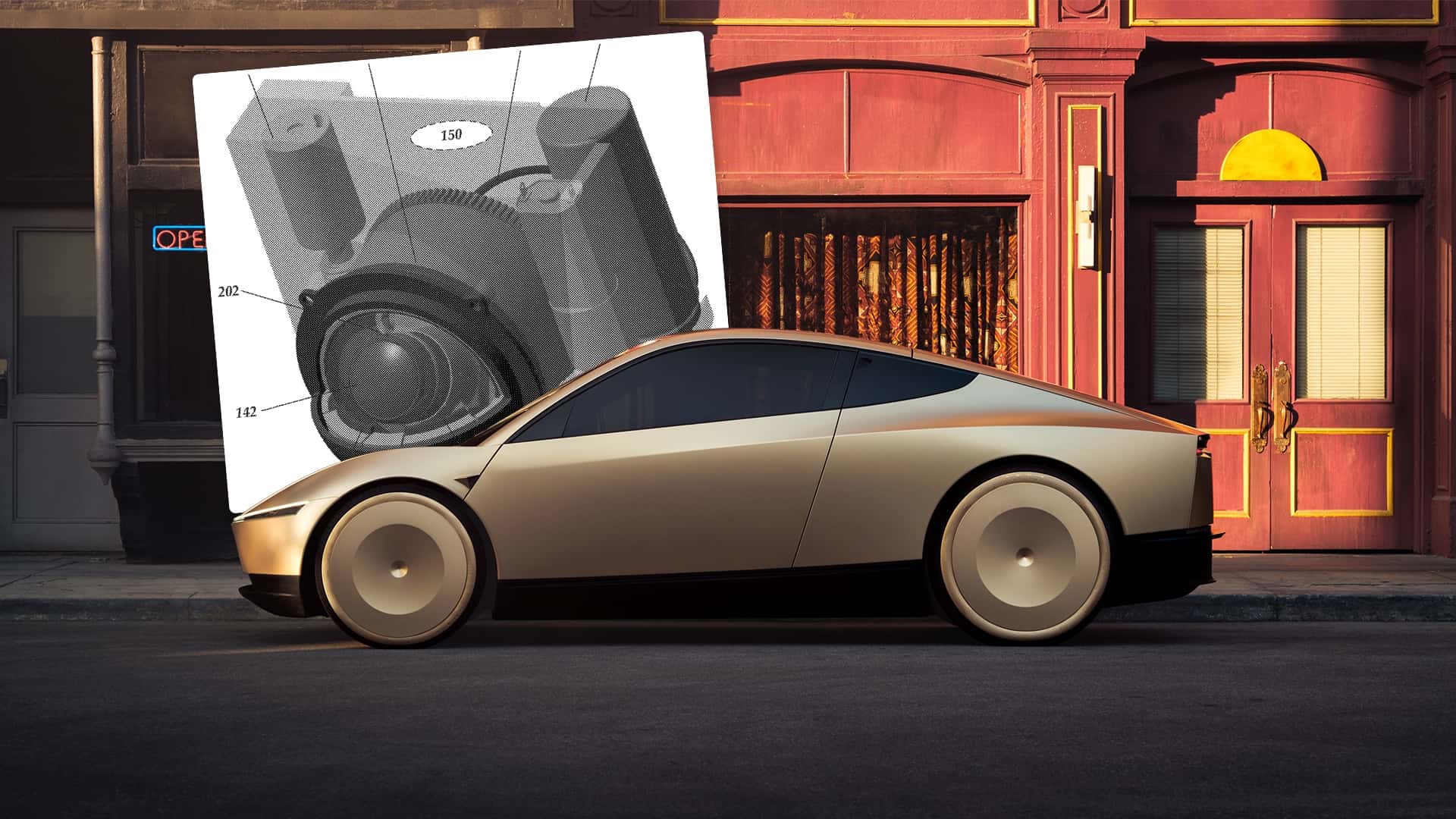
Tesla is known for pushing the boundaries of innovation in the automotive industry, and their latest patent filing is no exception. The company is working on a new technology that could revolutionize how car cameras stay clean and functional.
The patent describes a unique method that involves incorporating a fluid reservoir and wiper into the camera assembly. This setup allows the camera to effectively rid itself of debris, much like how a human eye blinks to clear away dirt or dust. This innovative solution could potentially solve a common issue faced by autonomous vehicles and other cars equipped with advanced camera systems.
Elon Musk, the CEO of Tesla, has long been a proponent of using cameras as the primary sensors for autonomous driving. He believes that cameras, coupled with powerful computing capabilities, are sufficient for vehicles to navigate roads safely. This new technology, reminiscent of eyelids for cars, could further enhance the capabilities of Tesla’s vehicles.
The spherical-shaped wiper described in the patent follows the contour of the camera lens, ensuring thorough cleaning. The wiper is complemented by a fluid dispenser that works in tandem to clear the lens of any debris. This design closely mimics the natural mechanism of the human eye, showcasing Tesla’s commitment to drawing inspiration from biology for technological advancements.
While the patent is still in the early stages and its implementation in Tesla’s vehicles remains uncertain, the concept holds promise for improving the performance of car cameras. The system includes a software component that monitors the camera’s image to detect degradation in visibility caused by dirt, mud, or water droplets. When the system identifies a dirty lens, the wiper engages to remove the debris, ensuring optimal camera performance.
Tesla has been exploring various methods to keep its cameras clean, including a sprayer-based system on the upcoming Cybercab model. However, existing solutions have been imperfect, leading some Tesla owners to seek aftermarket products to protect their cameras. The new technology outlined in the patent could offer a more effective and reliable solution to this common challenge faced by autonomous vehicles.
As Tesla continues to innovate in the realm of autonomous driving, solutions like the self-cleaning camera system could play a crucial role in enhancing the safety and efficiency of self-driving vehicles. By addressing the issue of dirty cameras, Tesla is taking a proactive step towards overcoming the unique challenges associated with driverless cars. The maintenance of autonomous vehicles involves not only keeping them clean but also ensuring they are charged and ready for operation. This process can be quite complex and time-consuming, especially when dealing with a fleet of robotaxis.
One crucial aspect of maintaining these vehicles is the cleaning process. Keeping the exterior and interior of the cars clean is essential not only for aesthetics but also for the sensors and cameras to function properly. Dust, dirt, and debris can obstruct these sensors, leading to potential safety issues. Regular cleaning schedules and efficient cleaning techniques are necessary to ensure the vehicles are in optimal condition for operation.
Charging the vehicles is another critical task in maintaining a fleet of robotaxis. With electric vehicles becoming more prevalent, having a reliable and efficient charging network is essential. Implementing a multibay charging solution can help streamline the charging process, allowing multiple vehicles to be charged simultaneously. This not only reduces downtime but also ensures that the vehicles are always ready for use.
However, it’s worth noting that Tesla, a prominent player in the autonomous vehicle industry, has faced challenges with automatic wipers in the past. Ensuring that any new technology, such as automatic cleaning systems, functions without glitches or malfunctions is crucial. Phantom activations or errors in the cleaning process could lead to inefficiencies and potential safety hazards.
In conclusion, maintaining a fleet of autonomous vehicles involves a combination of cleaning and charging processes. Implementing efficient cleaning techniques, reliable charging infrastructure, and ensuring the proper functioning of new technologies are essential for keeping these vehicles in optimal condition for safe and efficient operation.