
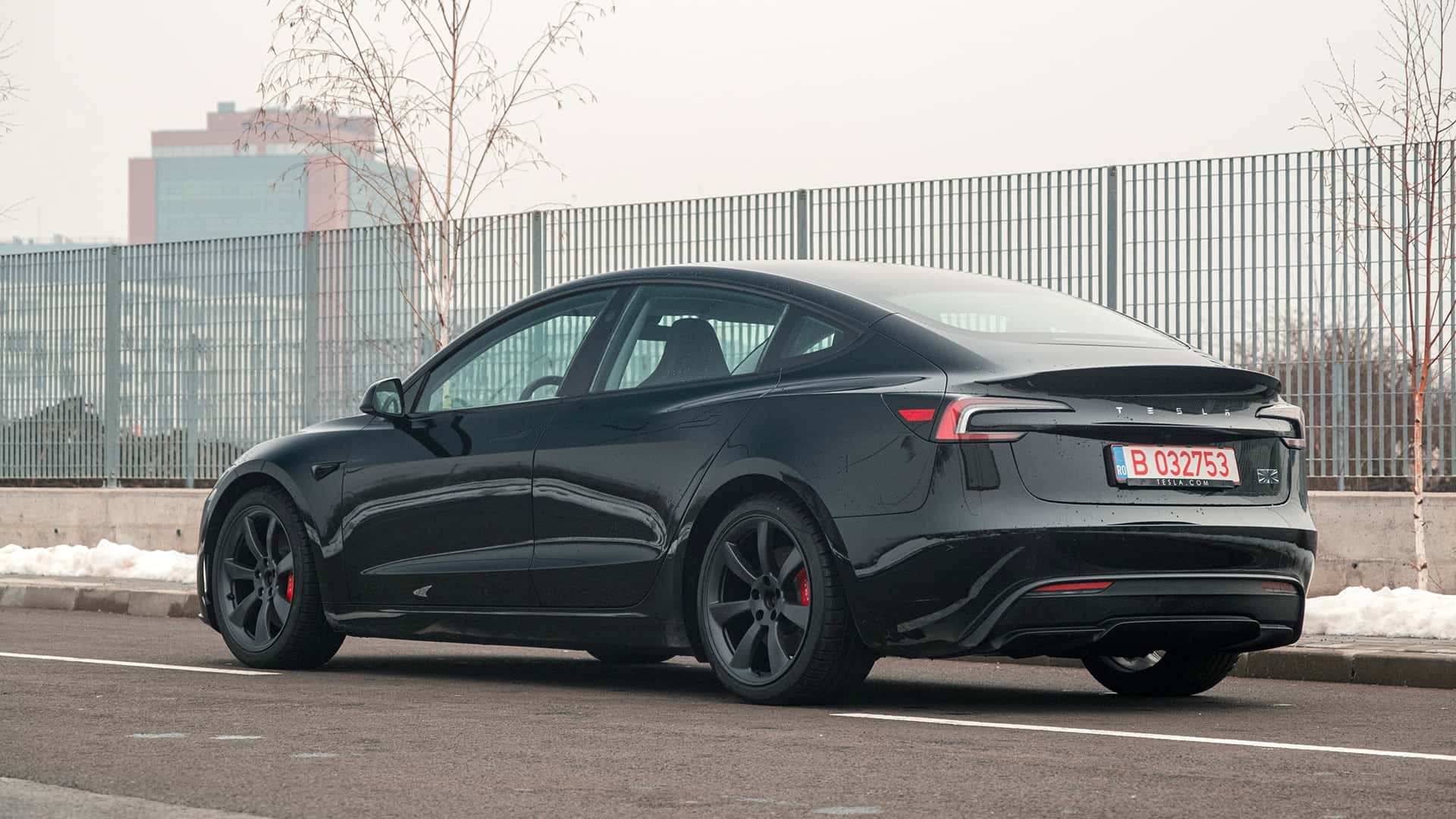
Tesla has long been known for pushing the boundaries of electric vehicle performance, and the Model 3 is no exception. With its sleek design and impressive acceleration, the Model 3 has quickly become a fan favorite among electric vehicle enthusiasts. But could Tesla be planning to take the Model 3 to the next level with a Plaid version?
According to Lars Moravy, Tesla’s vice president of vehicle engineering, the idea of a tri-motor Model 3 has been considered internally at Tesla. The Plaid powertrain, which made its debut in the Model S Plaid, offers unparalleled acceleration and performance. Moravy revealed during an appearance on the Ride The Lightning podcast that he thinks about putting the Plaid powertrain into a Model 3 “all the time.”
One of the key components of the Plaid powertrain is the use of carbon sleeves and permanent magnet motors. These innovations allow the drive units to achieve higher RPM and deliver mind-blowing acceleration. Moravy’s interest in implementing these technologies in the Model 3 suggests that Tesla is serious about taking the popular electric sedan to new heights in terms of performance.
However, Moravy also indicated that Tesla’s best performance hardware is currently being aimed at the upcoming Roadster. The Roadster, which is expected to be Tesla’s most advanced and powerful vehicle yet, will likely be the first product to feature a purely performance-focused powertrain from Tesla. While the Model 3 is already a formidable performer, the Roadster promises to set a new benchmark for electric vehicle performance.
A potential Model 3 Plaid would require more than just extra power. Moravy emphasized the need for major brake and cooling upgrades to handle the increased performance capabilities. This “work for reward” decision indicates that Tesla is focused on delivering a truly exceptional driving experience for enthusiasts who crave top-tier performance.
While Tesla has not officially announced plans for a Model 3 Plaid, Moravy’s comments suggest that the idea is not off the table. Whether or not we will see a Plaid version of the Model 3 in the near future remains to be seen, but one thing is for sure: Tesla is continuing to push the boundaries of electric vehicle performance with innovative technologies and cutting-edge engineering. In recent years, there has been a significant increase in the demand for sustainable and eco-friendly products. Consumers are becoming more aware of the impact their purchasing decisions have on the environment and are actively seeking out products that are better for the planet. This shift in consumer behavior has led to a rise in the popularity of eco-friendly products across a wide range of industries, including fashion, beauty, and household goods.
One industry that has seen a particularly noticeable shift towards sustainability is the fashion industry. Fast fashion, which involves the production of cheap, trendy clothing at a rapid pace, has long been criticized for its negative impact on the environment. From the excessive use of water and chemicals in the production process to the huge amounts of waste generated by discarded clothing, the fast fashion industry has a significant carbon footprint.
In response to these concerns, many fashion brands are now focusing on creating sustainable and eco-friendly clothing options. This includes using organic and recycled materials, implementing ethical production practices, and reducing waste throughout the supply chain. Consumers are increasingly looking for brands that prioritize sustainability and are willing to pay a premium for products that align with their values.
The beauty industry is also undergoing a similar transformation, with more and more brands introducing sustainable and eco-friendly options. From packaging made from recycled materials to cruelty-free and vegan products, consumers are spoilt for choice when it comes to environmentally conscious beauty products. Many beauty brands are also taking steps to reduce their carbon footprint by sourcing ingredients locally and implementing sustainable production practices.
In the household goods industry, there is a growing demand for products that are not only effective but also sustainable. From cleaning products made from natural ingredients to reusable and biodegradable kitchenware, consumers are increasingly looking for ways to reduce their impact on the environment. Brands that offer eco-friendly alternatives are seeing a surge in popularity as consumers become more conscious of the need to make sustainable choices in their everyday lives.
Overall, the rise of eco-friendly products reflects a broader shift towards sustainability in consumer behavior. As people become more aware of the environmental impact of their purchasing decisions, they are actively seeking out products that are better for the planet. Brands that prioritize sustainability and offer eco-friendly options are well-positioned to capitalize on this trend and meet the growing demand for products that are both ethical and environmentally friendly.