
SpaceX Achieves Successful Launch of Starship V3 Prototype for the 12th Time
Yesterday, SpaceX made history once again as they successfully launched the first prototype of the Starship V3 generation. This marked the 12th successful launch of a Starship developmental spacecraft by the innovative space exploration company.
The V3 Starship is equipped with the latest generation of all major components, representing a significant advancement in SpaceX’s ongoing mission to revolutionize space travel.
The Flight 12 Starship test, also known as IFT-12, faced a minor setback during the first attempt due to a technical glitch in the launch tower’s QD arm. However, SpaceX quickly rectified the issue and proceeded with a second attempt, which ultimately proved to be a resounding success.
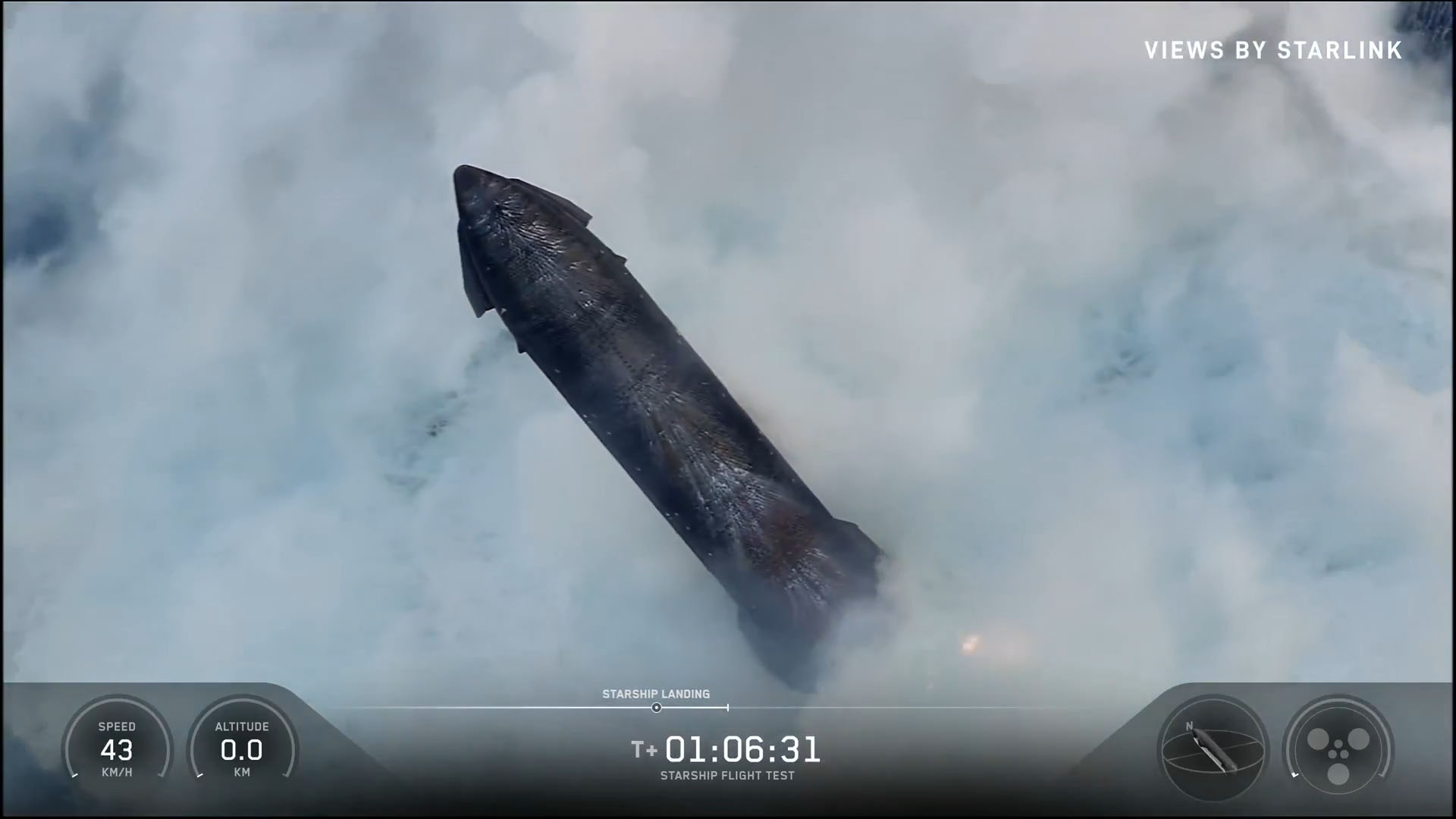
During the second launch attempt, spectators were treated to breathtaking views as the massive rocket lifted off from the launch pad at Starbase, Texas. The upper stage of the Starship successfully landed in the Indian Ocean near Australia, achieving all major milestones set for the mission.
The liftoff of the Flight 12 Starship was a sight to behold, with 33 cutting-edge Raptor engines igniting simultaneously to propel the spacecraft into the sky. SpaceX’s meticulous attention to detail was evident as the QD arm mechanism detached flawlessly, allowing the Starship to lift off as planned.
One particularly intriguing detail shared during the live webcast of the Flight 12 launch was the activation of the new Pad 2 deluge system. This system initiates a water flow under the Super Heavy rocket 17 seconds before engine ignition, enhancing safety and performance during liftoff.
In the past, SpaceX faced challenges with launch mount damage caused by engine thrust. However, continuous improvements in heat and thrust mitigation systems led to a flawless liftoff during the Flight 12 test.
While the liftoff was a resounding success, the landing of the Starship presented some unexpected challenges. Despite a successful stage separation from Booster 19, the upper stage Ship 39 encountered difficulties during the landing burn, resulting in a less-than-ideal vertical landing in the ocean.
SpaceX also faced issues with an in-space engine relight test, leading to excess propellant in the header tanks upon landing. This caused a notable explosion upon impact with the water.
Despite these challenges, SpaceX’s commitment to innovation and progress remains unwavering. As they continue to push the boundaries of space exploration, the world eagerly anticipates future developments in the Starship program.
For the latest updates on SpaceX’s Starship program and other space exploration news, stay tuned to TeslaOracle for ongoing coverage and insights. Follow us on Google News, X (Twitter), Flipboard, WhatsApp Channel, and RSS (Feedly) for all the latest updates.
In conclusion, SpaceX’s successful launch of the Starship V3 prototype is a testament to their unwavering dedication to pushing the boundaries of space exploration. As they continue to make strides in advancing space travel technology, the future of space exploration looks brighter than ever.